China tightens Communist Party oversight of tech firms and digital finance
China’s ruling Communist Party is stepping up oversight of technology firms, internet platforms and digital finance in a sweeping drive to ta...
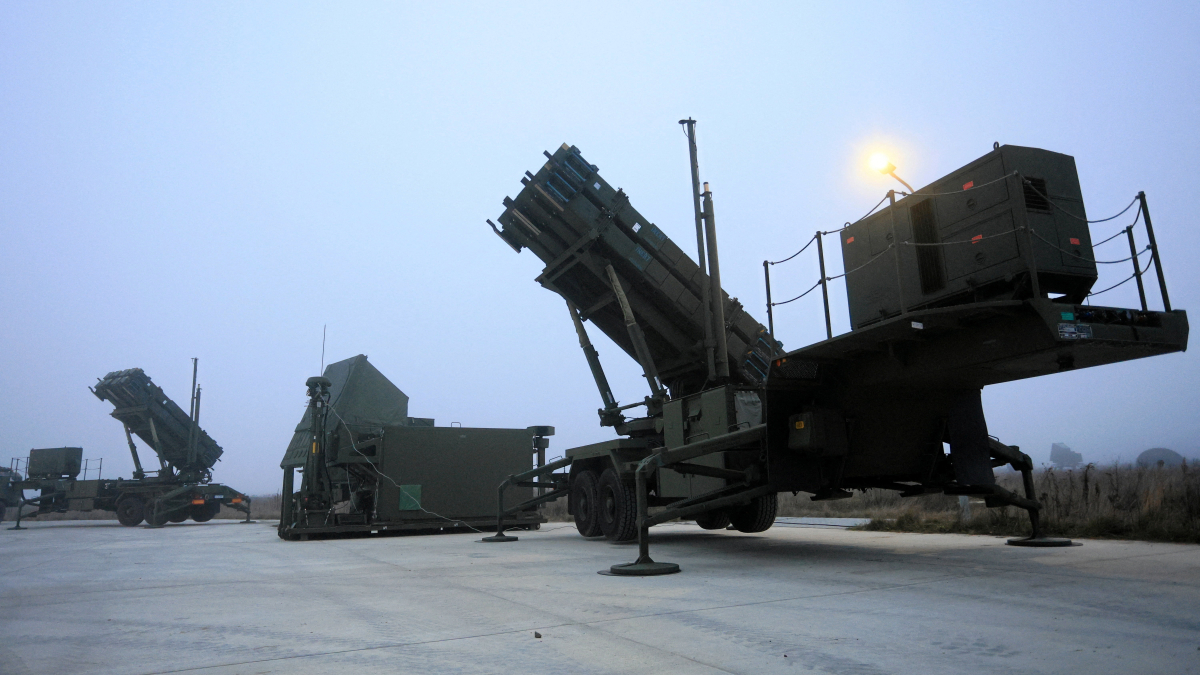
Germany will keep its Patriot air-defence system deployed in eastern Türkiye until April 2027 as NATO bolsters its defences against regional missile threats.
Berlin’s delegation to NATO announced the extension on Wednesday, saying the move was aimed at strengthening the alliance’s air and missile defences. The deployment was due to end this month.
Around 150 German military personnel will also remain stationed in Malatya province in eastern Türkiye, near the country’s borders with Iran, Iraq and Syria.
In June, the German unit replaced a U.S. Patriot system that had been deployed to the area earlier this year after Iranian missile launches raised concerns about threats to Türkiye’s airspace.
In recent months, NATO has stepped up its defensive posture along its south-eastern flank amid heightened tensions involving Iran, Israel and the U.S.
Malatya province is also home to the Kürecik radar installation, which is part of NATO’s ballistic-missile early-warning network. The site provides tracking data to help detect and respond to incoming missiles.
The Patriot system can detect, track and intercept aircraft, drones and cruise missiles, as well as some ballistic missiles.
According to Berlin, the German Patriot battery operates within NATO’s integrated air and missile-defence framework in coordination with the Turkish armed forces.
A Spanish Patriot battery, meanwhile, remains deployed in southern Türkiye as part of NATO’s regional defence architecture.
The alliance says the deployments are defensive in nature and intended to protect Türkiye’s airspace and NATO territory.
Türkiye, which fields NATO’s second-largest army, has significantly expanded its domestic defence industry in recent years.
Ankara is developing a multi-layered air-defence network but does not yet have comprehensive long-range coverage, leaving it reliant on allied systems during periods of heightened risk.
While Türkiye continues to pursue diplomatic efforts aimed at easing regional tensions, the extension of the German deployment highlights NATO’s continued concerns over potential missile threats along its south-eastern frontier.
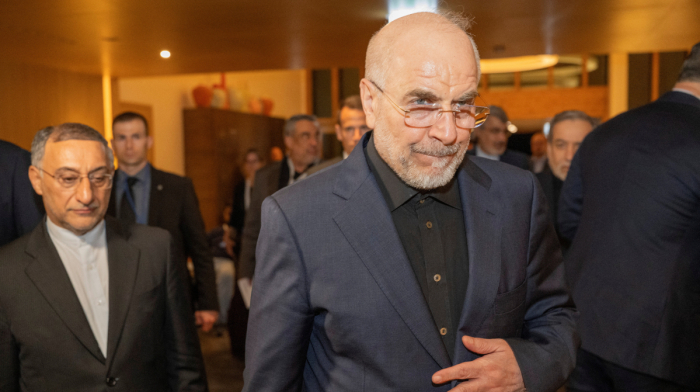
Iranian parliament speaker Mohammad Bagher Ghalibaf says the U.S. must act to prevent war after Tehran sent a “strong and rational response” to Washington. Meanwhile, U.S. forces have reportedly carried out limited strikes against Iranian targets, including Qeshm Island,
Hundreds of millions of U.S. citizens head to the polls on 3 November to elect the House of Representatives and Senate. How they vote could influence the direction of Donald Trump’s remaining 26 months in office and the outcomes of the Ukraine and Iran conflicts.
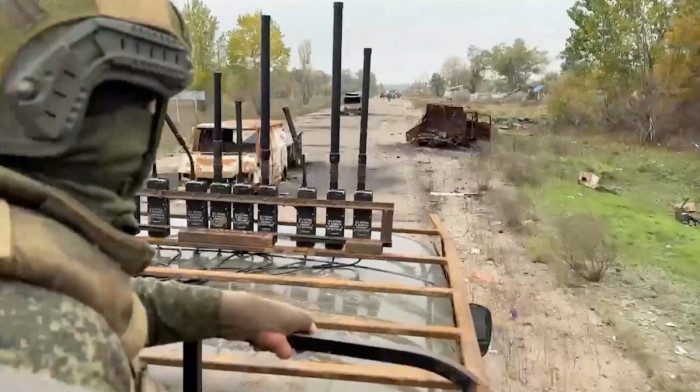
A six-day humanitarian ceasefire in the Russian-held Ukrainian town of Oleshky ended on Sunday, 1 November, after facilitating aid deliveries and civilian evacuations.
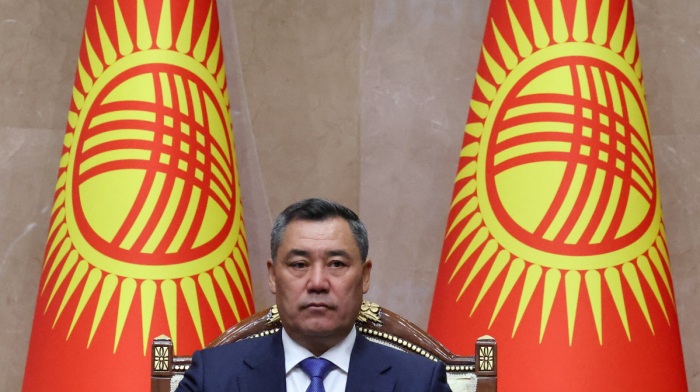
Kyrgyzstan has emerged as Central Asia’s fastest-growing economy, fuelled by a construction boom, public investment and trade linked to Russia. But with Western sanctions tightening, can the country sustain its rapid growth?
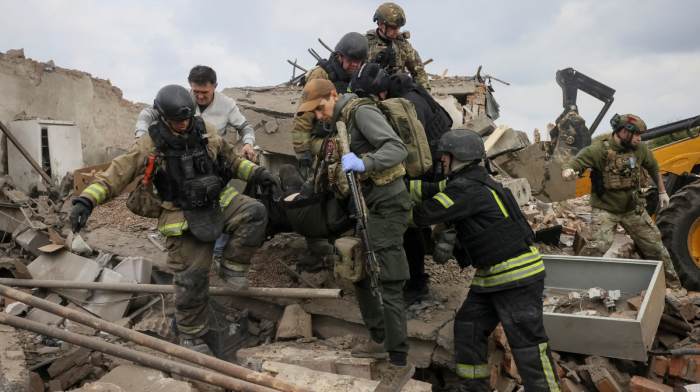
Russia airstrikes on a school used as a humanitarian aid distribution point in southeastern Ukraine's Zaporizhzhia region killed at least 26 people, including rescue workers and police officers, Ukrainian officials said. Another 27 people were reported missing.
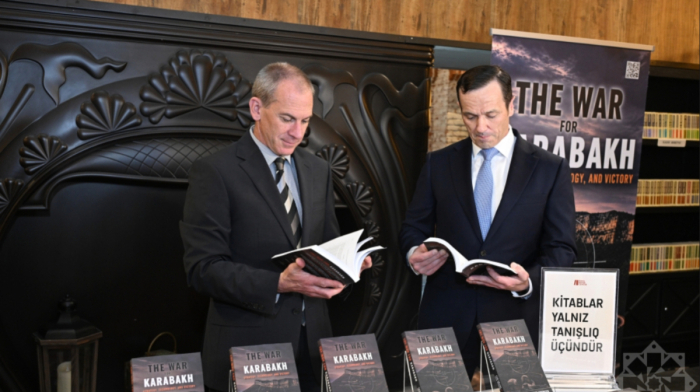
A new book examining Azerbaijan’s military strategy, technology and operations during the Garabagh wars has been unveiled in Baku, offering insights into the country’s victories and lessons for modern warfare.
Iranian parliament speaker Mohammad Bagher Ghalibaf says the U.S. must act to prevent war after Tehran sent a “strong and rational response” to Washington. Meanwhile, U.S. forces have reportedly carried out limited strikes against Iranian targets, including Qeshm Island,
Tajikistan has banned electronic cigarettes and nicotine delivery systems, becoming the latest Central Asian country to outlaw their production, import and sale as part of a wider push to protect public health.
Kyrgyzstan has emerged as Central Asia’s fastest-growing economy, fuelled by a construction boom, public investment and trade linked to Russia. But with Western sanctions tightening, can the country sustain its rapid growth?
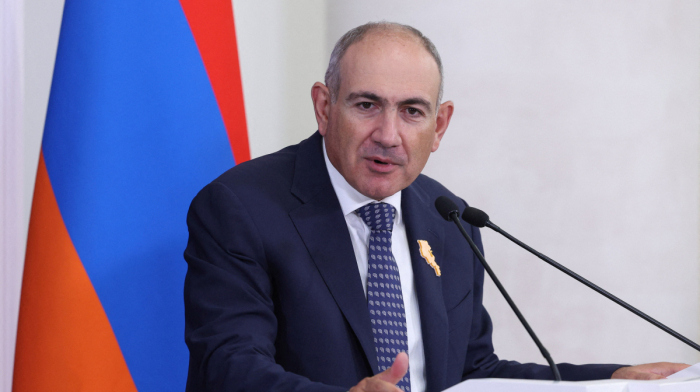
Armenian Prime Minister Nikol Pashinyan said the government plans to publish a draft of the country's new constitution in November, with public consultations to follow, as constitutional reforms remain a key issue in efforts to secure a final peace agreement with Azerbaijan.
You can download the AnewZ application from Play Store and the App Store.
What is your opinion on this topic?
Leave the first comment