live Saudi Arabia warns of more strikes if Iran-backed groups attack again
Saudi Arabia said its overnight strikes on Iran-backed group targets in Iraq were carried out in self-defence and warned it would take further militar...
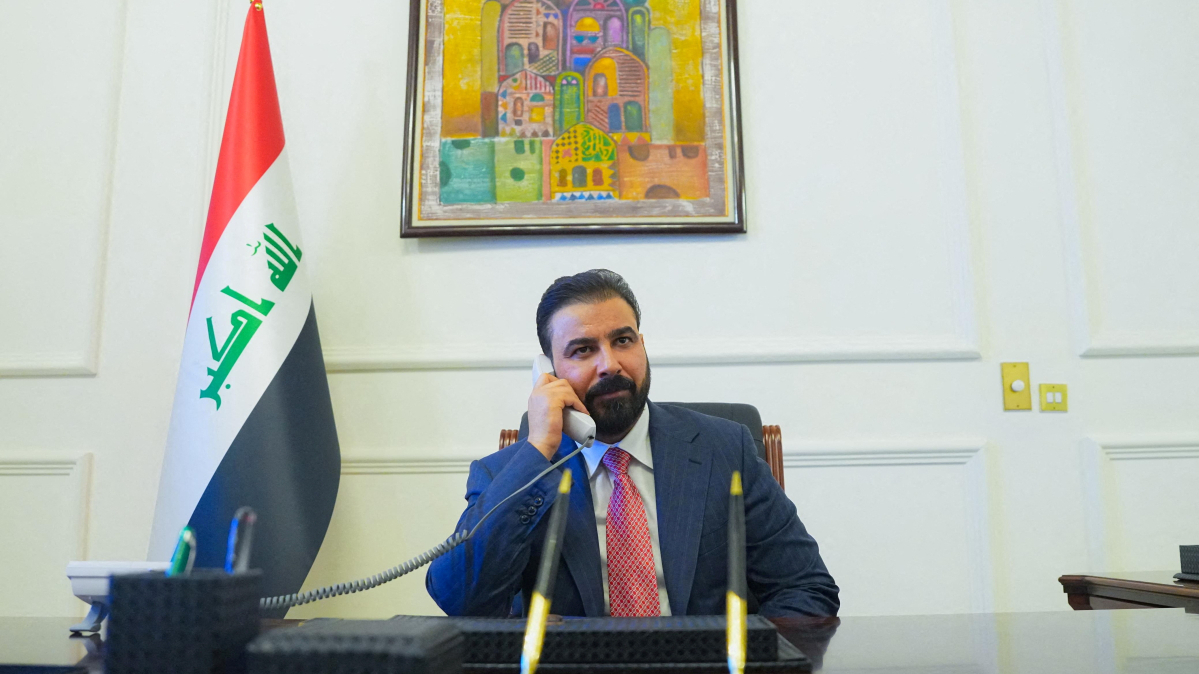
Turkish President Recep Tayyip Erdoğan has urged Iraq’s prime minister-designate to form a government which reflects the country’s religious and ethnic diversity.
In a weekend phone call, Erdoğan congratulated Ali al-Zaidi on his appointment, expressing hope he would swiftly form an “inclusive, balanced, and stable” administration.
Last week, a coalition of Iraqi Shia political blocs nominated al-Zaidi to replace outgoing Prime Minister Mohamed Shia' al-Sudani.
Under Iraq’s constitution, al-Zaidi has 30 days from his appointment to assemble a cabinet and present it to parliament for approval.
During the call, Erdoğan also stressed that Iraq’s sizeable Türkmen community represents a key component of the two countries’ fraternal relations.
Iraqi Türkmen, who are ethnically Turkic and speak a dialect of Turkish, are concentrated largely in the country’s north.
Although no official census exists, Türkmen are generally believed to make up between 7% and 13% of Iraq’s population, making them the country’s third-largest ethnic group.
Al-Zaidi, a relative newcomer to Iraqi politics, is a successful businessman who holds degrees in law, finance and banking.
Speaking shortly after his appointment, he pledged to form a government “that responds to citizens’ demands for security, stability, and comprehensive development.”
Last month, Türkiye welcomed the election of Mehmet Seman Ağaoğlu, a prominent local Türkmen politician, as governor of Iraq’s oil-rich northern Kirkuk province.
In a statement, the Turkish Foreign Ministry described Ağaoğlu’s election - he also heads the Iraqi Türkmen Front - as a “historic development in terms of inclusivity and fair representation”.
It added that his appointment was a “long-overdue acknowledgement of a legitimate right for our Türkmen kinsmen, who are an integral component of Iraq and Kirkuk.”

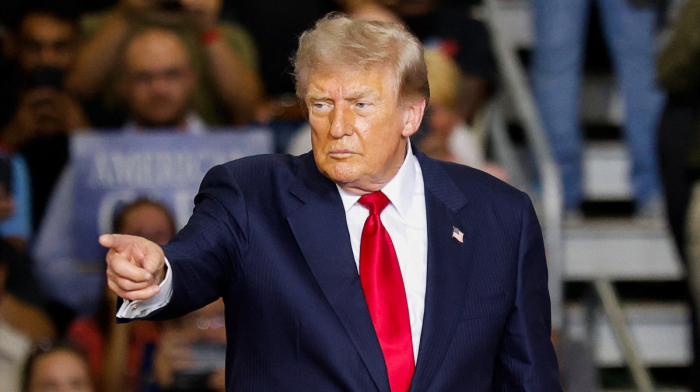
U.S. President Donald Trump said on Monday that there is a good chance” of reaching a deal with Iran, but warned that Washington would resume military operation if negotiations fail.
The Russia-Ukraine war is increasingly reshaping the Caspian region. From threats to energy infrastructure to renewed diplomatic efforts, countries across the region are adapting to the wider consequences of a conflict that continues to disrupt trade, transport and security.
Yemen warned the Houthis were seeking to replicate Iran's Strait of Hormuz strategy in the Red Sea, as U.S. President Donald Trump said there was a "good chance" of a deal with Tehran but warned strikes could resume if talks failed.
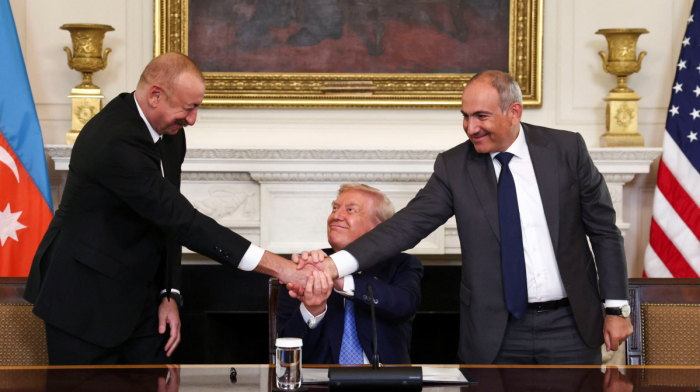
Moscow should stop linking Russia-Armenia relations to Azerbaijan, Baku's Foreign Ministry spokesperson Aykhan Hajizada has said, after Russia again raised the Collective Security Treaty Organisation's role during the former Garabagh conflict.
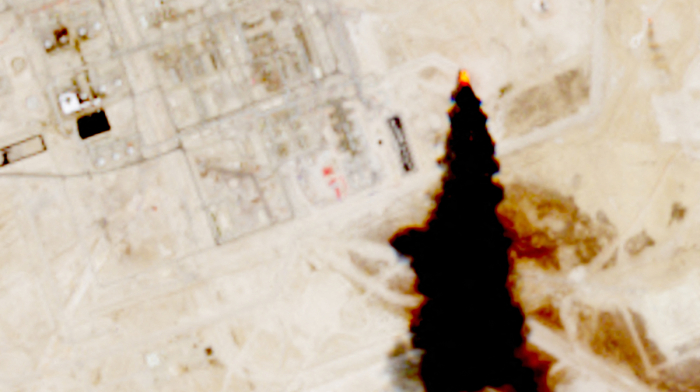
Saudi Arabia said its overnight strikes on Iran-backed group targets in Iraq were carried out in self-defence and warned it would take further military action if the groups launched new attacks against the kingdom.
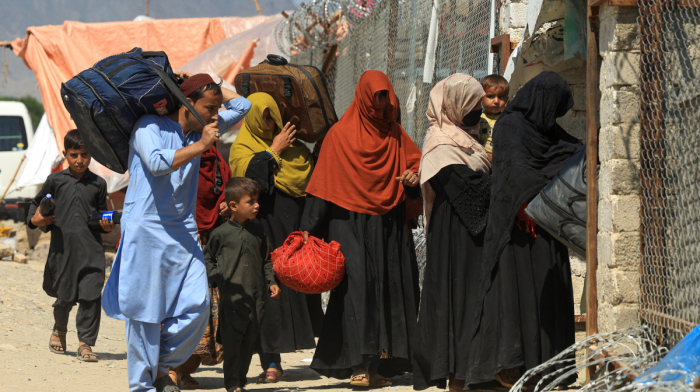
Afghan refugees in Pakistan are delaying or avoiding medical treatment because they fear arrest under the country's deportation policy, leading to preventable illnesses including child malnutrition and pregnancy complications, according to Médecins Sans Frontières (MSF).
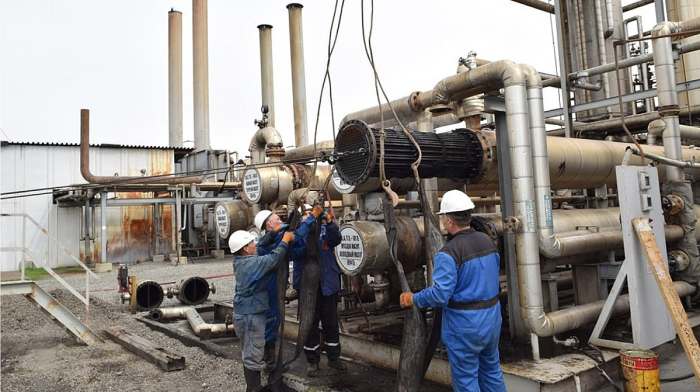
Kyrgyzstan is in talks with Russia over monthly supplies of 100,000 tonnes of petroleum products as Ukrainian drone strikes on Russian oil refineries continue to disrupt fuel exports, forcing the Central Asian country to seek alternative sources.
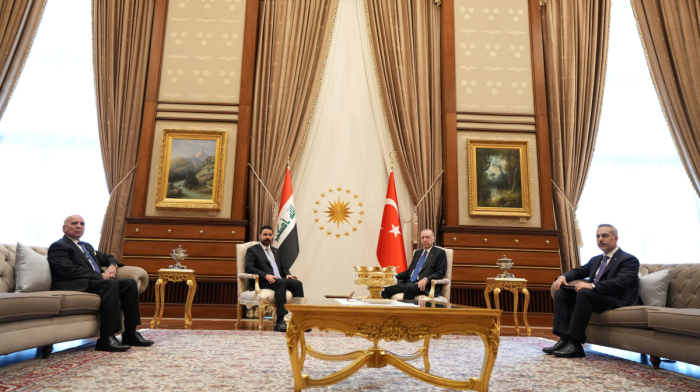
Türkiye and Iraq have signed five agreements aimed at expanding cooperation in transport, infrastructure, education, youth, sports and industrial development. The deals were announced after talks between Turkish President Recep Tayyip Erdoğan and Iraqi Prime Minister Ali al-Zaidi in Ankara.
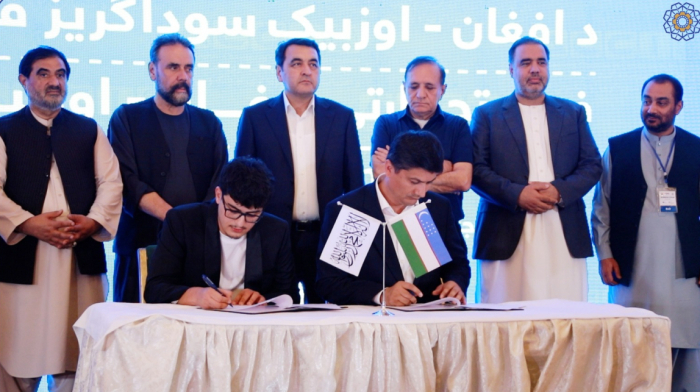
Afghanistan and Uzbekistan signed 22 trade agreements worth more than $200 million during a business forum in Kabul on Sunday, as officials from both countries pledged to deepen economic cooperation and expand trade and investment.
Moscow should stop linking Russia-Armenia relations to Azerbaijan, Baku's Foreign Ministry spokesperson Aykhan Hajizada has said, after Russia again raised the Collective Security Treaty Organisation's role during the former Garabagh conflict.
You can download the AnewZ application from Play Store and the App Store.
What is your opinion on this topic?
Leave the first comment