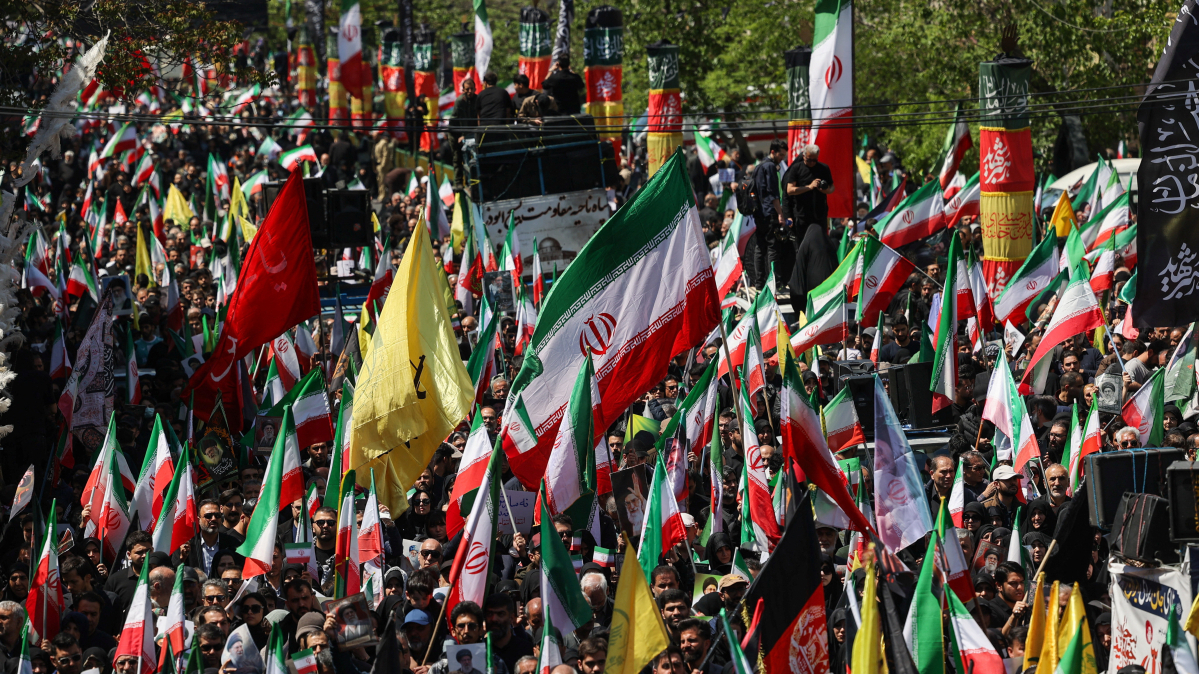
Iranian officials have criticised ceasefire violations by Isreal and U.S., citing Israeli airstrikes on Lebanon on Wednesday (8 April), an intrusion of a military drone, and a U.S. denial of Tehran’s right of nuclear enrichment, on the first day of the two-week ceasefire on Wednesday.
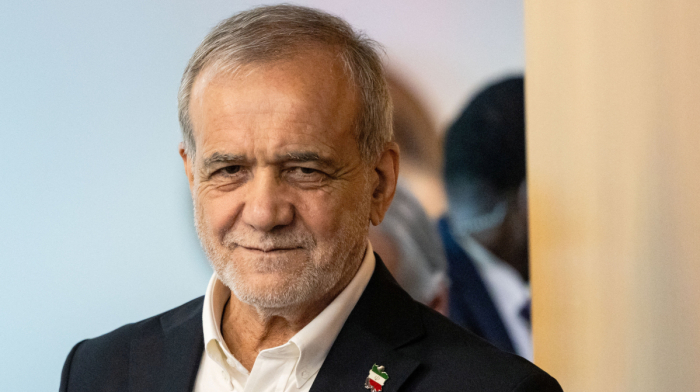
President Masoud Pezeshkian discussed the latest post-war developments, including Israel’s large-scale attacks on Lebanon, in phone conversations with his Azerbaijani, French, Japanese and Pakistani counterparts, the President Office announced.
Also after the ceasefire, Iranian Foreign Minister Abbas Araghchi held phone calls with his Azerbaijani, Cypriot, Finnish, Iraqi, Saudi, and Turkish counterparts as well as Pakistani Army Chief Asim Munir, according to news media quoting the ministry’s statements.
General Munir was reportedly mediating with U.S. President Donald Trump to negotiate a ceasefire in the Israeli-U.S. war on Iran which began 28 February.
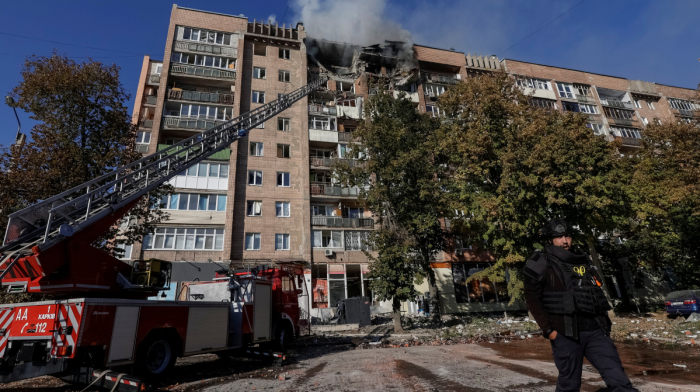
Iran’s top diplomat slammed Israel’s bombing of Lebanon as a “massacre” in a post on social media, urging Washington to carry out its ceasefire obligations.
“The Iran-U.S. ceasefire terms are clear and explicit: the U.S. must choose – ceasefire or continued war via Israel.”
“It cannot have both. The world sees the massacres in Lebanon. The ball is in the U.S. court, and the world is watching whether it will act on its commitments,” his post read.
Also Foreign Ministry Spokesperson Esmaeil Baghaei strongly condemned the deadly attacks by Israel across Lebanon as a “heinous and shameful crime” in a statement.
He said Washington shall bear direct responsibility for Israel’s strikes, according to the state IRNA news agency.
In a post on X, Baghaei said, "If this [the White House spokesman's claim that Lebanon is not part of the ceasefire] isn’t another case of U.S. early reneging, then what is it?”
Amid rising disputes between Iran and U.S. over provisions of the ceasefire stipulated in their conflicting draft proposals, Parliament Speaker Mohammad-Bagher Ghalibaf said that it was ‘unreasonable’ to hold talks with Washington after three violations of the ceasefire.
His statement was made as Iranian and U.S. negotiators are reportedly scheduled to meet in Islamabad on Friday to sort out a deal on cessation of hostilities.
Unconfirmed reports suggested Ghalibaf will be Iran’s Chief Negotiator in Pakistan if Vice-President J.D. Vance is going to head the U.S. delegation.
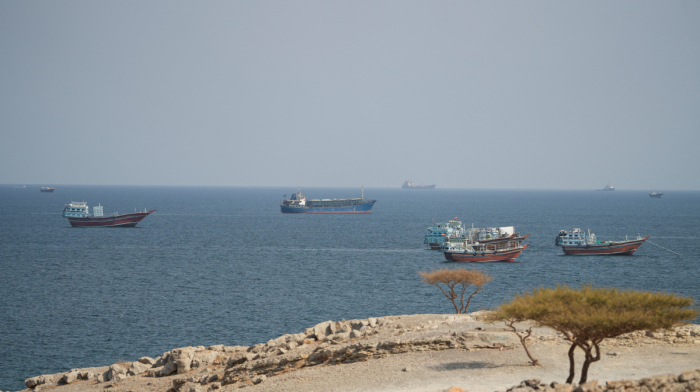
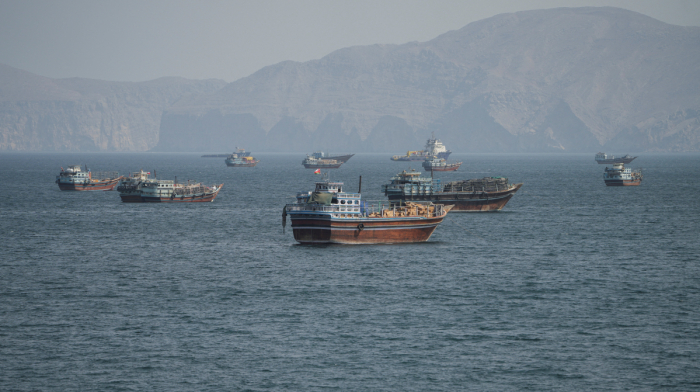
In another post-ceasefire development, Iran’s Revolutionary Guards (IRGC) Navy announced two routes for transit of vessels through the Strait of Hormuz, warning risks of mines planed in parts of the strategic waterway.
"All vessels intending to transit the Strait of Hormuz are advised to take alternative routes to ensure maritime safety and avoid potential sea mine hazards,” Sepahnews website reported citing IRGC’s statement.
Few vessels were confirmed passing the strait on Wednesday after Iran agreed under the ceasefire to open the waterway to transit of oil and gas tankers.













What is your opinion on this topic?
Leave the first comment