live Iran warns U.S. against resuming attacks
Iran's military has threatened to launch sustained attacks on U.S. bases and interests across the Middle East if Washington resumes military action against Tehran
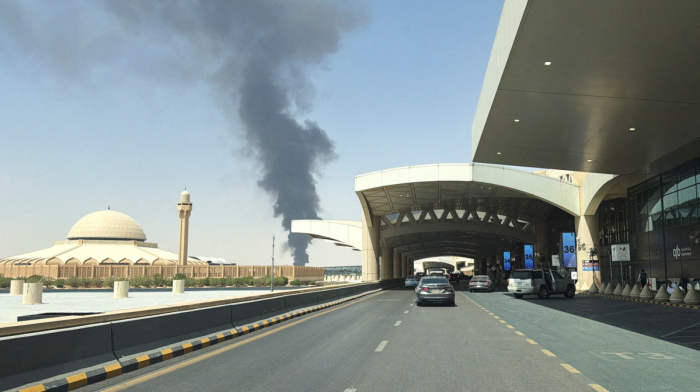
Houthi attacks target Riyadh amid concerns over Saudi oil supplies, as Iran says it will not reopen the Strait of Hormuz until its conditions are met and U.S. commitments are implemented, parliament speaker Mohammad Bagher Ghalibaf said on Sunday.
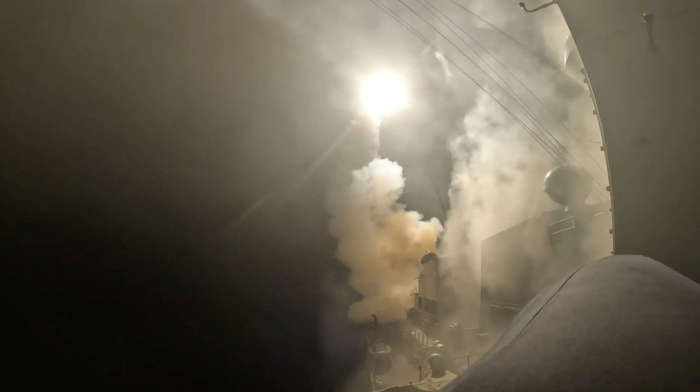
The U.S. has launched a fresh wave of strikes on Iran, targeting Islamic Revolutionary Guard Corps (IRGC) sites as Tehran retaliated against U.S. positions across the region, while Iranian officials said at least five people were killed and dozens wounded at a wedding near Sirik.
Iran has ordered a Swedish diplomat to leave the country, after Stockholm expelled an Iranian embassy staffer, as diplomatic tensions between Tehran and several European countries deepen.
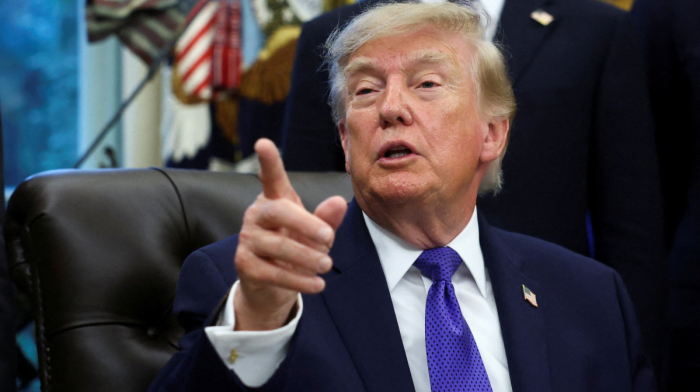
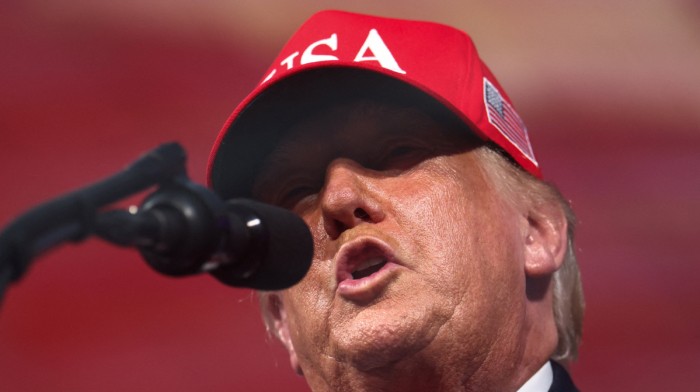
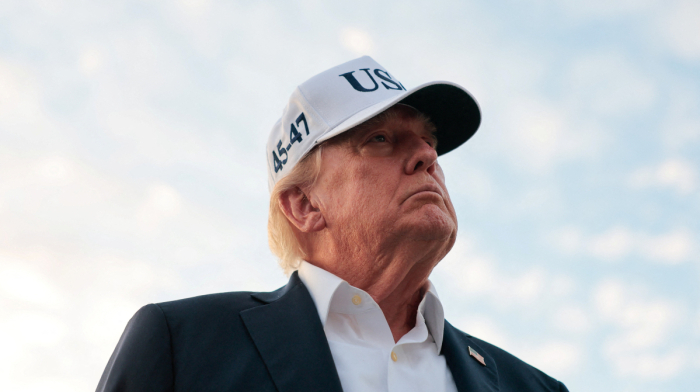
U.S. President Donald Trump said on Wednesday he hoped the war against Iran was nearing its end and that Tehran wanted to reach a deal, but Iran dismissed his comments as “mixed signals” as the conflict approaches its seventh month.
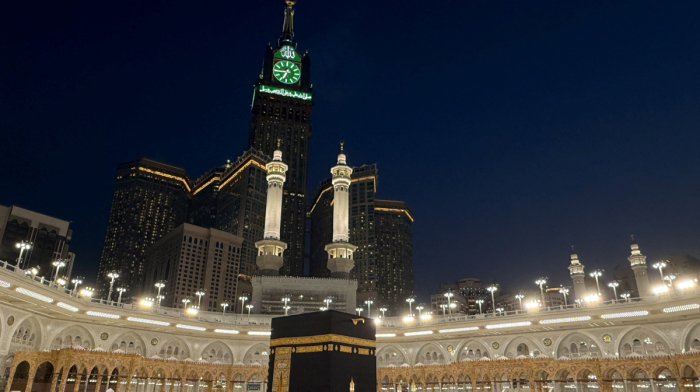
Saudi Arabia said its air defences destroyed a Houthi drone south of Mecca before it could enter prohibited airspace over the holy city, as attacks by the Iran-aligned group deepen regional tensions.
U.S. President Donald Trump has again said Iran is keen to reach a deal quickly, but a senior Iranian security official rejected the claim, saying Tehran will not negotiate until its conditions are met.
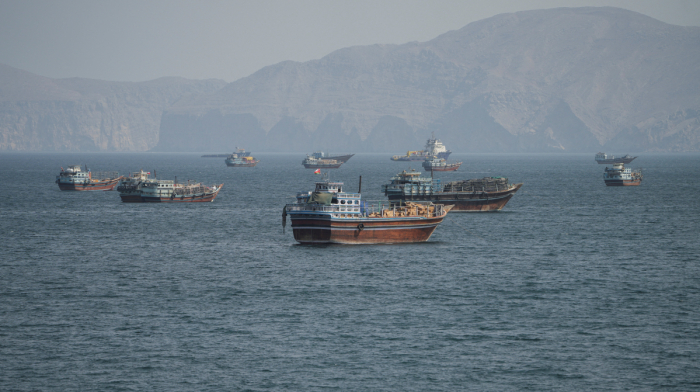
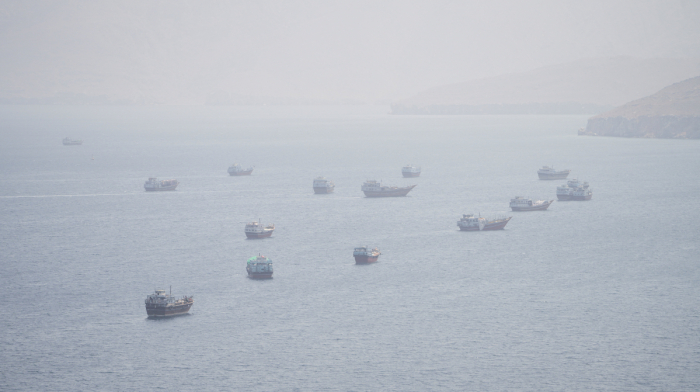
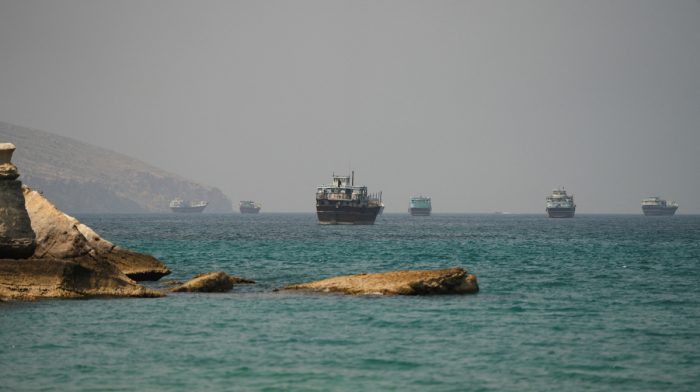
U.S. Central Command said 101 commercial vessels have been redirected in the Strait of Hormuz, while oil prices rose more than three per cent amid fresh regional attacks and supply concerns.
Maritime trackers received new reports of an attack on a ship in the Strait of Hormuz on Sunday, according to the UK Maritime Trade Operations (UKMTO), adding to concerns about energy supplies after Saudi Arabia shut down a vital oil pipeline on Saturday.
Iranian Parliament Speaker Mohammad Bagher Ghalibaf said on Sunday that the United States must recognise that the “rules of the game” in its war against Iran had changed “before it is too late”, a day after Washington struck several Iranian tankers in the Gulf.
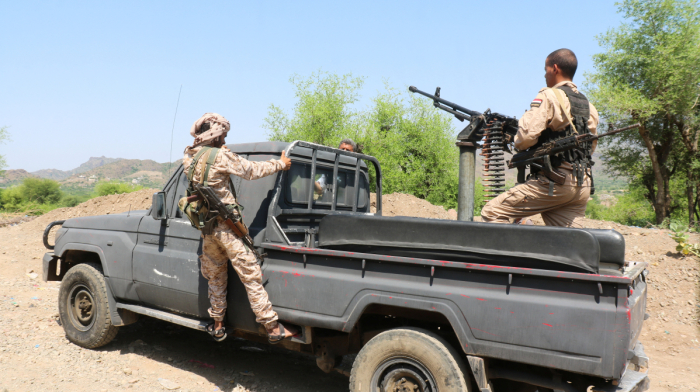
Saudi Arabia is now facing pressure from both ends of the Arabian Peninsula. While the crisis around the Strait of Hormuz is disrupting Gulf shipping and energy flows, fighting has intensified in western Yemen, bringing the Houthis back into direct confrontation with the kingdom.
Iran has warned it will retaliate against any future U.S. attacks, saying American energy interests and infrastructure across the Gulf could become targets in a further escalation of the conflict.
An Iranian tanker was hit by U.S. forces on Saturday near Iran's key oil export hub, Kharg Island, in the Gulf, the semi-official Iranian news agency Tasnim reported.
U.S. efforts to squeeze Iran’s economy through an oil blockade and sanctions are becoming increasingly difficult for Tehran to withstand, according to three senior Iranian sources. Washington is escalating pressure in hopes of securing concessions in future negotiations.
The Iranian Army has again struck at U.S. bases in Kuwait and the United Arab Emirates in retaliation for U.S. attacks on southern and western parts of Iran late on Tuesday, which reportedly killed 18 people and injured more than 100 others.
The Iranian Health Ministry said at least 18 people were killed and 142 others injured in U.S. airstrikes carried out between 30 August and 2 September.
U.S. forces struck two Iranian rocket launchers on Larak Island on Sunday, with Tehran responding by launching ballistic missiles at two U.S. bases in Jordan in the first direct U.S.-Iran military escalation in weeks.
Iran has reached an understanding with Oman on transit arrangements through the Strait of Hormuz, but the waterway will remain closed until the U.S. fulfils its commitments, a senior Iranian diplomat said on Saturday.
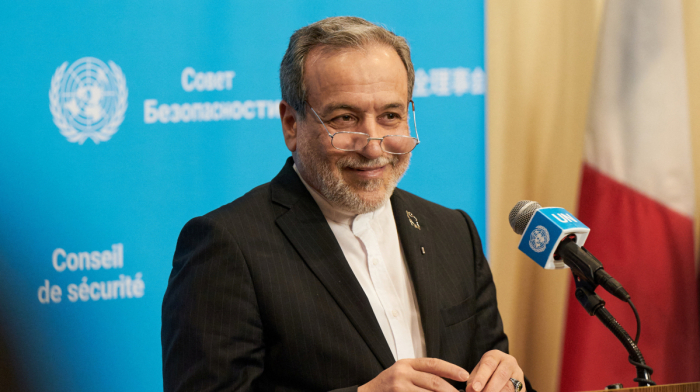
Iranian Foreign Minister Abbas Araghchi accused U.S. government and Israel-aligned actors of manipulating energy markets to promote the war with Iran.
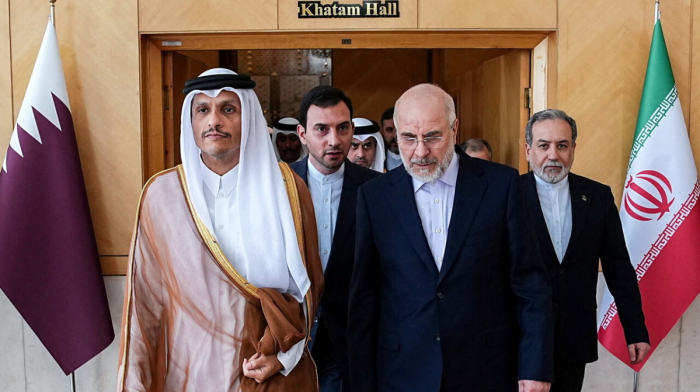
The Israeli-U.S. invasion of Iran, which began on 28 February, entered its seventh month on Friday, as Tehran wrapped up a week of high-level visits the region, with officials from Pakistan, Oman and Qatar helping to negotiate a way out of the current stalemate in the conflict.
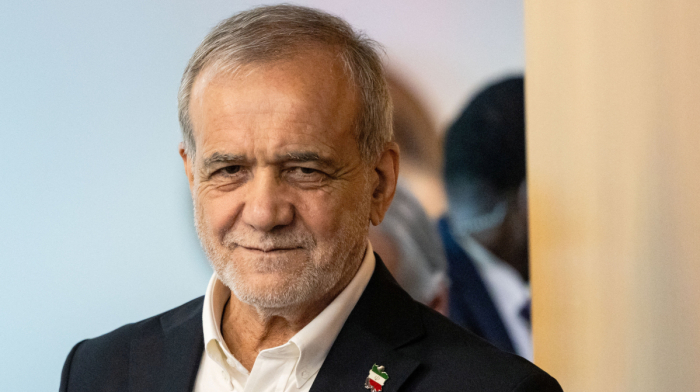
Iranian President Masoud Pezeshkian has called for greater economic cooperation among Muslim countries, saying their combined economic weight remains disproportionately small compared with their population, strategic location and resources.
You can download the AnewZ application from Play Store and the App Store.