live Saudi Arabia, Türkiye and Pakistan unite in defence pact amid Iran threat
U.S. President Donald Trump said negotiations to reopen the Strait of Hormuz are progressing and suggested an agreement with Iran could be reached “...
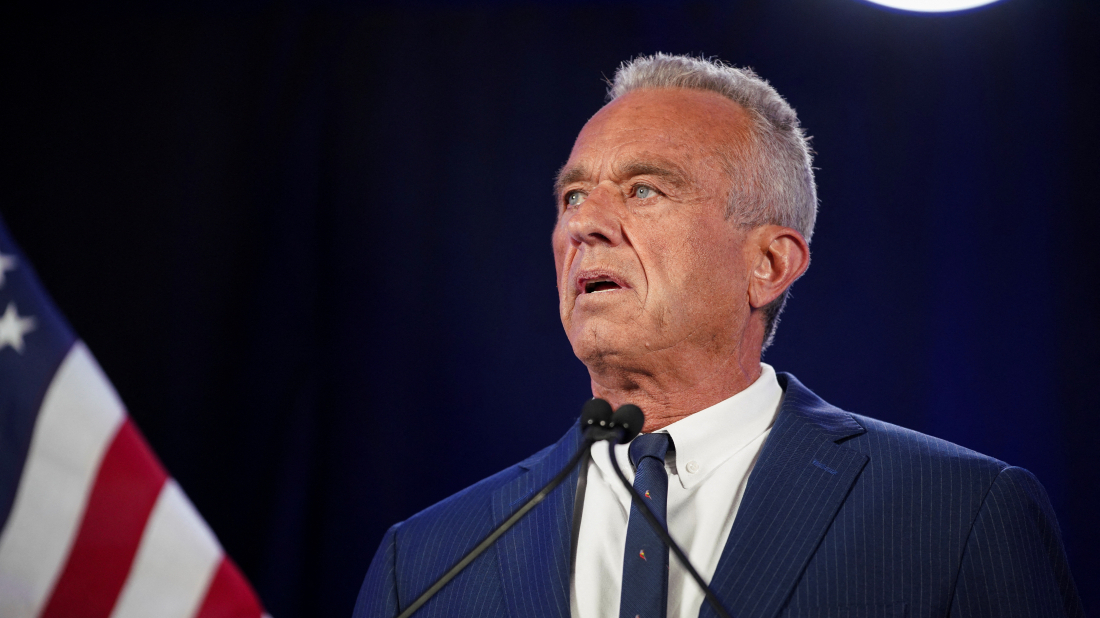
U.S. Health Secretary Robert F. Kennedy Jr. has announced that COVID-19 vaccines will no longer be recommended for healthy children and pregnant women — a move that has sparked sharp criticism from public health experts.
In a short video posted on social media, Kennedy said he had removed the groups from the CDC's official guidance. However, no CDC officials appeared in the video, and no scientific data or detailed explanation accompanied the announcement. The Department of Health and Human Services has not yet commented on how the decision was made.
Health professionals expressed concern over the abrupt change, which bypasses the usual scientific review process
The CDC has been recommending annual COVID boosters for nearly all age groups. Experts have been discussing the possibility of narrowing that to high-risk groups, but the official advisory panel has not yet made a formal decision. That panel is expected to meet in June.
Kennedy, once known for his anti-vaccine stance, has made several policy changes since taking office under President Trump. Last week, the FDA also introduced new limits, approving routine COVID vaccines only for seniors and people with medical risks — not healthy adults or children.
Doctors warn the latest decision could lead to confusion and reduced vaccine access, especially for those still at risk. They also pushed back on the idea that pregnancy is not a risk factor for COVID. "That is simply incorrect," said Dr. Sean O’Leary of the American Academy of Pediatrics.
Medical experts maintain that vaccines remain a crucial tool for protecting both pregnant women and young children, especially as the virus continues to circulate.

Shipping traffic through the Strait of Hormuz and the Bab el-Mandeb Strait, two key maritime chokepoints in the region, decreased significantly from the previous day, according to shipping data.
Start your day informed with AnewZ Morning Brief. Here are the top news stories for the 6th of August, covering the latest developments.
U.S. President Donald Trump said negotiations to reopen the Strait of Hormuz are progressing and suggested an agreement with Iran could be reached “soon”.
Kazakhstan’s main oil export corridor was disrupted by drone strikes near Russia’s Black Sea coast in July, forcing a temporary suspension of crude loadings and raising fresh concerns over the vulnerability of regional energy infrastructure to the war in Ukraine.
Extreme heat and historically low river levels are forcing nuclear power plants across Southeast Europe to reduce production, increasing pressure on already stretched electricity supplies and prompting governments to call for lower consumption.
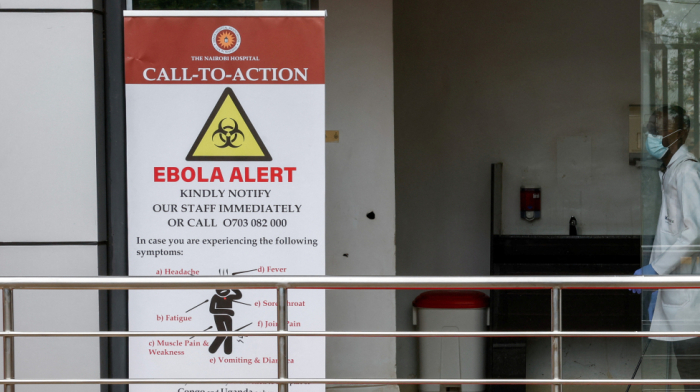
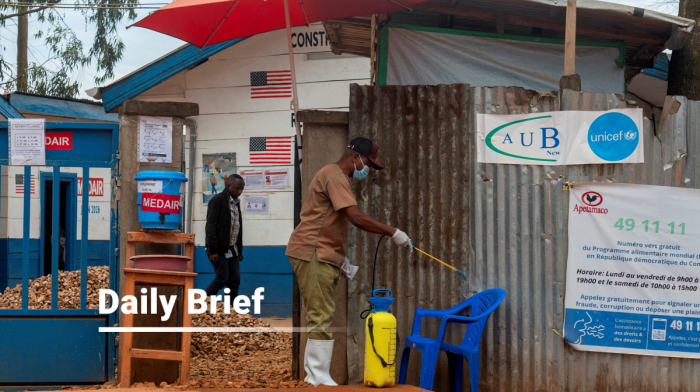
The Ebola outbreak in the Democratic Republic of Congo is expected to surpass 4,000 cases this week, with delayed detection, weak surveillance, funding shortages and conflict allowing the virus to spread faster than in any previous epidemic at the same stage.
Australia warned on Monday (3 August) of a wider spread of H5N1 bird flu after its first confirmed mass mortality event among seabirds killed about 50 greater crested terns off the coast of South Australia, south of Adelaide.
Cancer patients in Sudan are struggling to access life-saving treatment as soaring medication costs, power shortages and damaged hospital infrastructure deepen the country's healthcare crisis after more than three years of war.
The world risks a resurgence of the HIV epidemic after international funding fell by nearly a fifth last year, according to a new report from UNAIDS, which warned that decades of progress against the disease could be reversed without renewed global support.
A global shift towards healthier diets, more efficient farming and reduced food waste could cut greenhouse gas emissions from agriculture-related land-use change by 85% by 2050, according to a study published last week in the journal Nature.
You can download the AnewZ application from Play Store and the App Store.
What is your opinion on this topic?
Leave the first comment