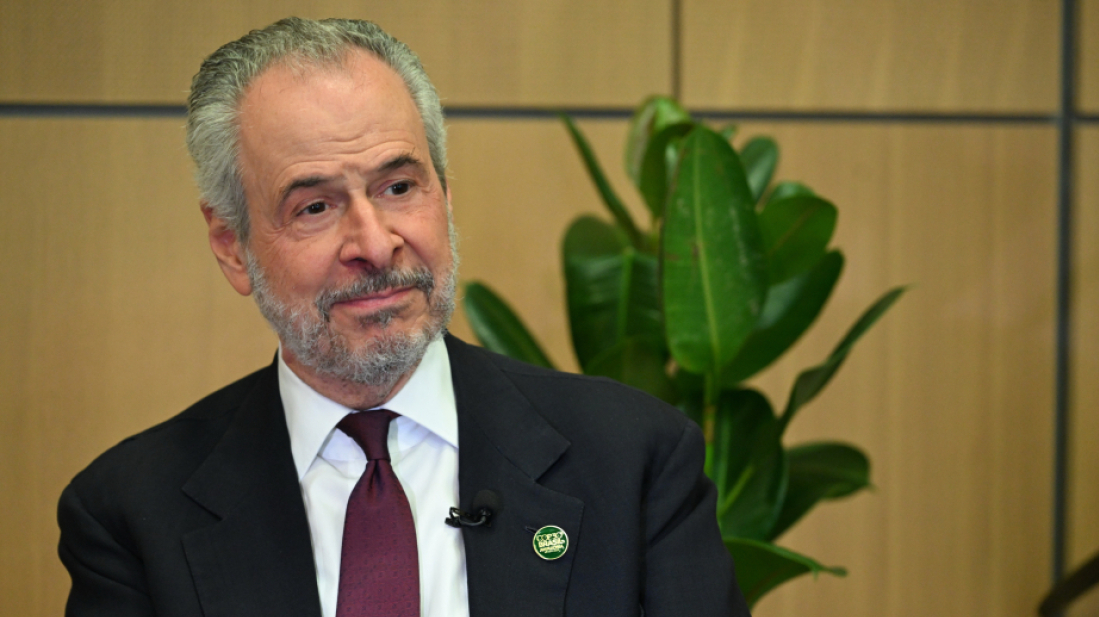
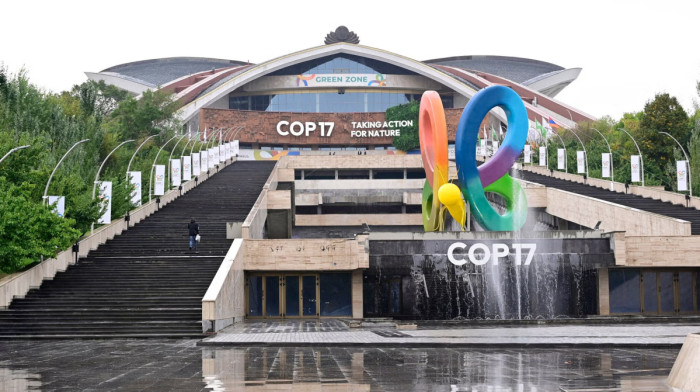
In an exclusive interview with The Azerbaijan State News Agency (AZERTAC), COP30 President André Corrêa do Lago spoke about Brazil’s preparations for hosting the upcoming UN Climate Conference in Belém this November.
André Corrêa do Lago outlined expectations for the event, cooperation with Azerbaijan, and the broader climate finance goals ahead.
Why Belém?
President Lula selected Belém, the largest city in Brazil’s Amazon region, to host COP30. Although not a major urban centre, Belém symbolises the environmental and developmental challenges facing tropical countries. Hosting the conference in the Amazon underscores the importance of preserving forests and addressing climate change in vulnerable regions. Infrastructure is being improved, and the local population is eager to welcome global delegates.
Expectations from COP30
Unlike COP29 in Baku, which focused on finalising the New Collective Quantified Goal (NCQG) on climate finance, COP30 does not have a singular, mandated agenda. Instead, it aims to reaffirm the successes of the Paris Agreement and show that the remaining goals are within reach. The conference will also address the growing urgency highlighted by recent scientific warnings about rising global temperatures.
Climate finance: a central challenge
Corrêa do Lago acknowledged that climate finance remains one of the most sensitive topics. While COP29 in Baku approved a $300 billion goal, there is also a joint effort—led by Azerbaijan and Brazil—to explore how that can be scaled up to $1.3 trillion. He admitted that mobilising such funding, particularly from developed to developing countries, continues to be extremely difficult.
Internal changes in Brazil
Brazil’s role as COP host has sparked active national debate on climate policy. A concept called “Mutirão” (a Brazilian indigenous term meaning collective effort) has gained traction, encouraging all sectors of society to contribute. Corrêa do Lago sees this as an opportunity to create a new development model that integrates climate priorities into all aspects of Brazilian life—from politics and education to economics.
Azerbaijan’s contributions and the “Troika” model
Corrêa do Lago praised Azerbaijan for its effective leadership during COP29 and noted close ongoing collaboration between Brazil, Azerbaijan, and the UAE under a “troika” framework. This partnership includes joint initiatives such as the forthcoming $1.3 trillion finance report. He described working with Azerbaijani officials as both productive and enjoyable.
Challenges of hosting COP
Every host nation faces unique pressures. For Brazil, it means being transparent about its developmental status and acknowledging its climate challenges. Corrêa do Lago stressed that facing these realities honestly is key to the spirit of COP.
On the Amazon forest fund
Brazil has proposed a fund to protect the Amazon. Corrêa do Lago stressed that preserving forests benefits local communities, biodiversity, and global climate efforts. However, he highlighted the difficulty for developing countries to balance environmental protection with social needs like education and healthcare. He called on wealthier nations to lead in supporting tropical forest preservation worldwide.










What is your opinion on this topic?
Leave the first comment