Meloni warns Hormuz shipping curbs threaten global trade
Italian Prime Minister Giorgia Meloni said on Thursday (9 April) that restoring freedom of navigation in the Strait of Hormuz is a vital interest f...
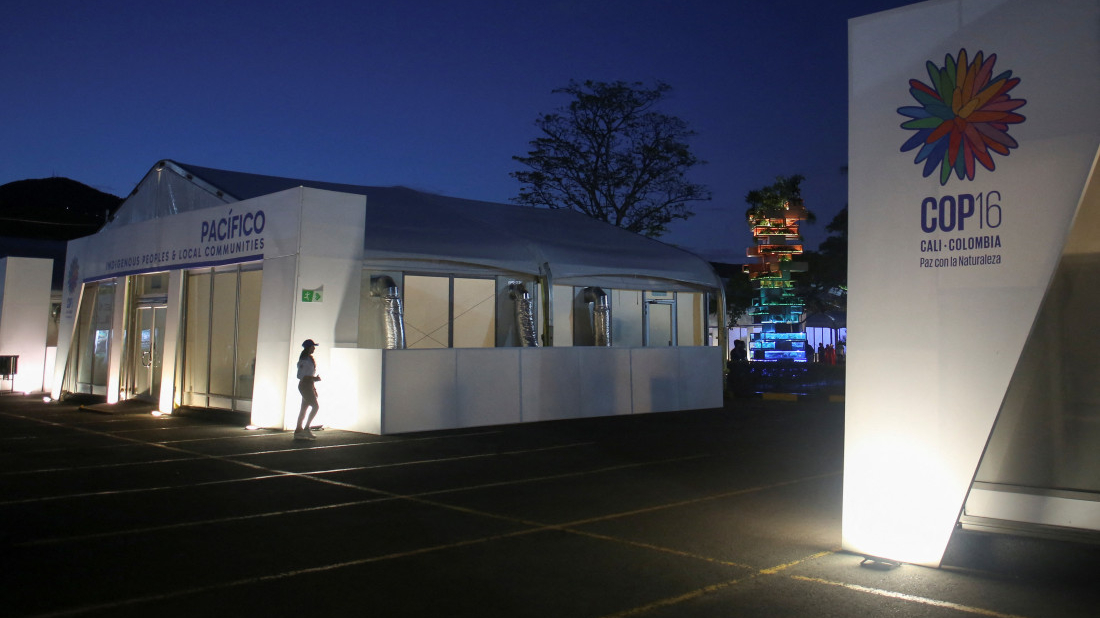
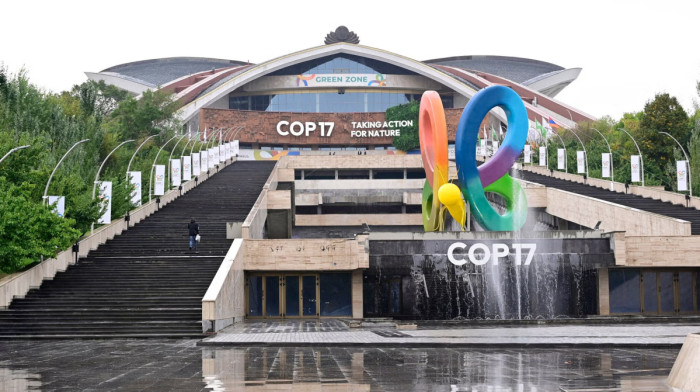
The COP16 summit in Colombia has begun, addressing the urgent global biodiversity crisis and setting the stage for further action on nature conservation, building on the Kunming-Montreal accord.
The two-week COP16 biodiversity summit kicked off in Colombia on Sunday, with Colombian officials and indigenous community representatives attending the opening ceremony.
The summit, running until November 1, is focused on addressing the rapid and unprecedented global destruction of nature in 2024. It aims to establish the next steps for implementing the historic 2022 Kunming-Montreal accord, often referred to as the biodiversity equivalent of the Paris Agreement on climate change.
Participants are gathering to confront the ongoing crisis in biodiversity, driven by climate change, deforestation, pollution, and habitat loss. The World Wildlife Fund (WWF) reports a dramatic 69% decline in global wildlife populations since 1970 due to these factors.
As world leaders and environmental advocates meet in Colombia, the call for urgent action to protect the planet's biodiversity is more critical than ever.
The upcoming COP29 in Baku is expected to build on the momentum of this summit, pushing forward global efforts to safeguard the environment.

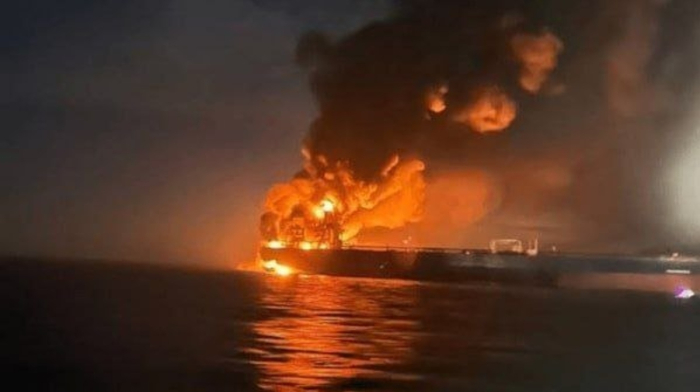
China and Russia vetoed a United Nations Security Council resolution on Tuesday aimed at coordinating defensive efforts to protect commercial shipping in the Strait of Hormuz, leaving no agreed international framework for securing the vital route.
Lebanon’s Hezbollah said it had stopped firing on northern Israel and Israeli forces on Wednesday as part of a two-week ceasefire in the Middle East brokered between the United States and Iran. However, a Hezbollah lawmaker warned that the pause could collapse if Tel Aviv does not adhere to it.
Pakistan’s Prime Minister Shehbaz Sharif said Iran and the United States, along with their allies, have agreed to an immediate two-week ceasefire covering all areas, but Israel says the deal excludes Lebanon. Tel Aviv says the U.S. is committed to achieving shared goals in upcoming negotiations.
Construction has begun on a major new solar power project in Xizang, as China continues to expand its renewable energy capacity and push towards a greener future.
U.S. Vice-President J.D. Vance began a visit to Budapest on Tuesday by praising Prime Minister Viktor Orbán, who faces a closely contested parliamentary election on Sunday.
Communities in Mexico have taken to the streets to protest against an ongoing oil spill in the Gulf of Mexico that has killed wildlife and damaged coral reefs over several weeks.
The World Meteorological Organization (WMO) has warned that the Earth’s climate system is becoming increasingly unstable, with new evidence showing a growing imbalance in how the planet absorbs and releases energy.
China is preparing for a year of extreme weather in 2026, with authorities warning the country could face both severe flooding and widespread drought, underscoring mounting climate pressures.
Heavy rain, flash floods and lightning strikes across Afghanistan have killed 28 people and destroyed hundreds of homes in Kabul, Herat and other provinces.
Central Asia is stepping up efforts to address rapid glacier melt, following United Nations warnings of unprecedented climate pressure on mountain ecosystems.
You can download the AnewZ application from Play Store and the App Store.
What is your opinion on this topic?
Leave the first comment