Iran lays down pre-conditions for end to Israel-US war
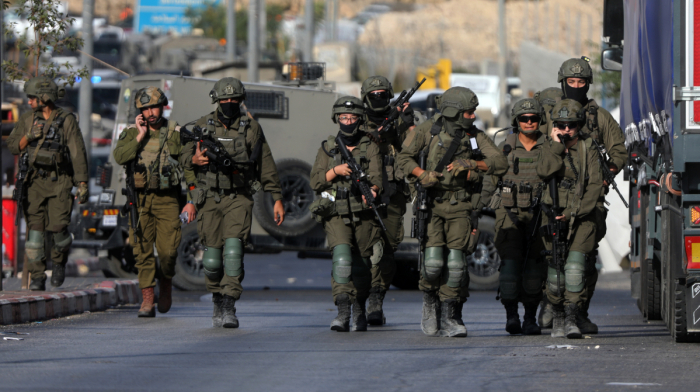
Iran’s President Masoud Pezeshkian has set recognition of Tehran’s inalienable rights, payment of war ...
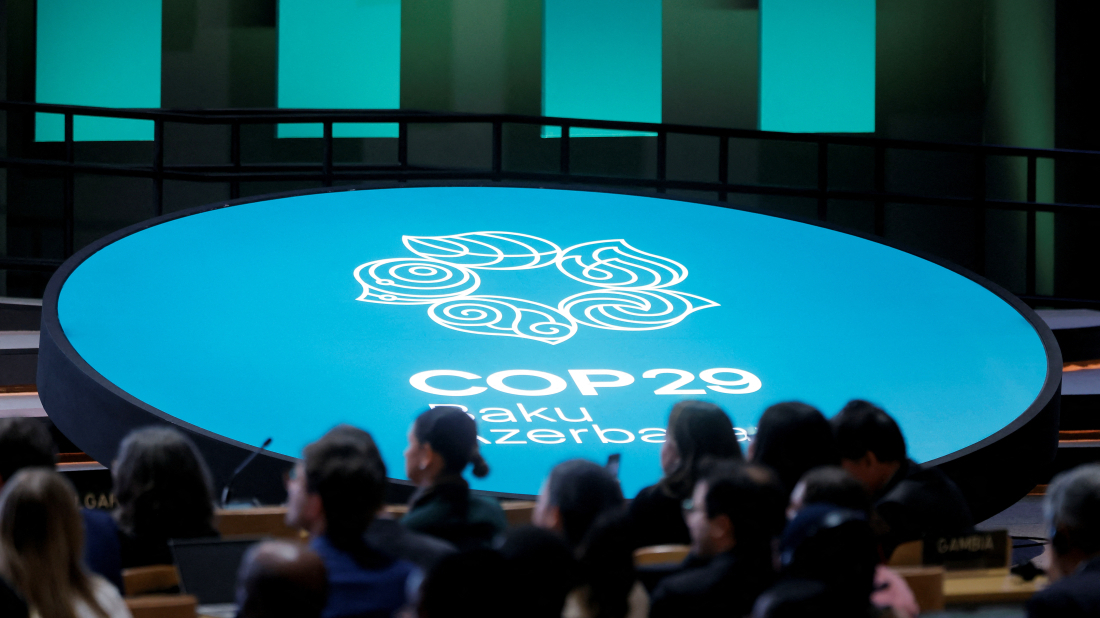
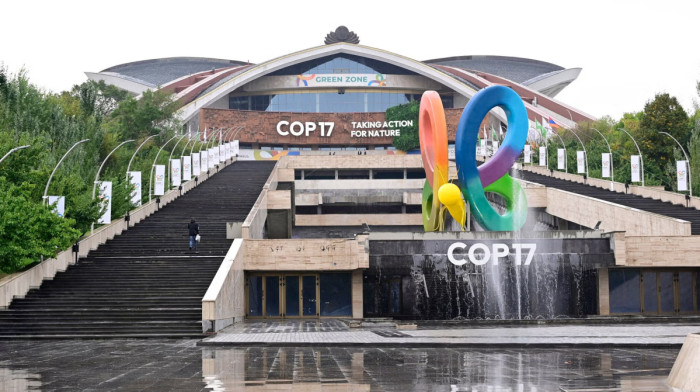
The Baku Finance Goal (BFG) has been announced by the COP29 Presidency of Azerbaijan, marking a groundbreaking commitment to mobilise $1.3 trillion annually in climate finance for the developing world.
This shows a substantial increase from the previous $100 billion target and is central to COP29’s mission to advance global climate action. The initiative will unlock significant investments to drive progress towards limiting global warming to 1.5°C.
The BFG sets a core target for developed nations to lead by contributing at least $300 billion annually by 2035, an increase of $50 billion from earlier drafts. It prioritises support for the least developed countries and small island states, focusing on accessibility and transparency. These advancements stem from 48 hours of intensive negotiations led by the Azerbaijani Presidency.
COP29 also finalised a decade-long negotiation on Article 6, establishing high-integrity carbon markets projected to generate $1 trillion annually by 2050 and reduce climate plan costs by $250 billion annually. Combined with the BFG, these measures are set to reshape global climate finance and redirect investment to developing nations.
Significant progress was also made on the Fund for Loss and Damage, which is now ready to begin distributing funds by 2025. This development aligns with Azerbaijan’s commitment to supporting vulnerable nations, as emphasised by President Ilham Aliyev.
In his remarks, COP29 President Mukhtar Babayev highlighted the transformative nature of the agreement, stating, “The Baku Finance Goal will turn billions into trillions over the next decade” and emphasised it as a key step in addressing climate challenges. The success of COP29 underscores Azerbaijan’s diplomatic leadership in delivering ambitious climate solutions.

The 32 countries belonging to the Internatioanl Energy Agency agreed to release 400 million barrels of oil on Wednesday (11 March), in efforts aimed at bringing down the price of crude oil, which has soared since fighting between Iran, Israel and the U.S. started at the end of February.
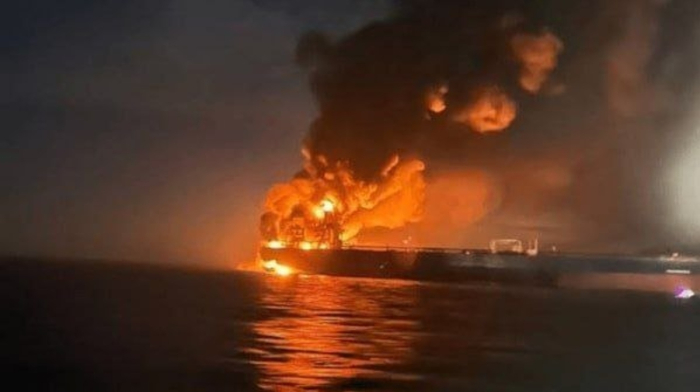
Explosive-laden Iranian boats reportedly attacked two fuel tankers in Iraqi waters on Wednesday, killing one crew member, after four other vessels were hit in the Gulf. The attacks, targeting ships linked to the U.S. and Europe, raise the total struck in the region.
A towering lava fountain from Kilauea shot about 400 metres into the air late on Tuesday (11 March) on Hawaii Island, prompting temporary closures at Hawaii Volcanoes National Park and part of a key highway as volcanic ash and debris fell over nearby areas.
The Strait of Hormuz has become a focal point of global concern as tensions rise following the conflict involving Iran, the United States and Israel. Tehran has threatened to block the strategic waterway, raising fears of disruption to global oil shipments and energy markets.
Norwegian police apprehended three brothers suspected of carrying out Sunday's (8 March) bombing at the U.S. embassy in Oslo, in an attack investigators have branded an act of terrorism.
The death toll from heavy rains and flooding in Brazil’s Minas Gerais state has risen to 46, authorities said, with 21 people still reported missing. The storms triggered landslides and widespread flooding, displacing thousands across Juiz de Fora and Uba.
The administration of U.S. President Donald Trump on Thursday (12 February) announced the repeal of a scientific finding that greenhouse gas emissions endanger human health, and eliminated federal tailpipe emissions standards for cars and trucks.
Tropical Cyclone Gezani has killed at least 31 people and left four others missing after tearing through eastern Madagascar, the government said on Wednesday, with the island nation’s second-largest city bearing the brunt of the destruction.
Rivers and reservoirs across Spain and Portugal were on the verge of overflowing on Wednesday as a new weather front pounded the Iberian peninsula, compounding damage from last week's Storm Kristin.
Morocco has evacuated more than 100,000 people from four provinces after heavy rainfall triggered flash floods across several northern regions, the Interior Ministry said on Wednesday.
You can download the AnewZ application from Play Store and the App Store.
What is your opinion on this topic?
Leave the first comment