live European leaders meet in Dublin for security talks as Aliyev holds key bilateral meetings
European leaders gathered in Dublin on Thursday, 12 November, for the ninth European Political Community (EPC) summit, with security, defence and e...
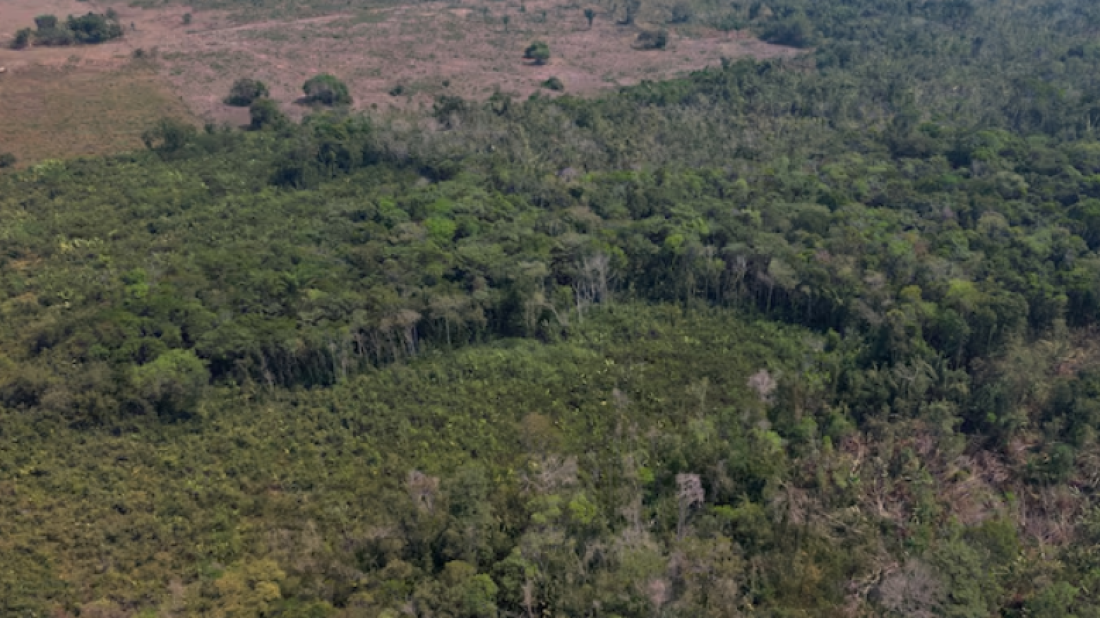
Prosecutors in Brazil have filed a lawsuit to annul a $180 million carbon offset agreement signed by the state of Para, citing legal and ethical violations in the high-profile rainforest conservation initiative backed by major global firms.
Brazilian federal prosecutors are seeking to cancel a $180 million carbon offset agreement designed to protect the Amazon rainforest, arguing the deal violates national laws and overlooks the rights of local communities. The lawsuit, filed Tuesday, challenges a landmark contract signed last year between the state of Para and the LEAF Coalition - an initiative supported by major corporations and governments.
The complaint represents a significant setback for both the Para state government, which is set to host the COP30 climate summit, and the global carbon credit market, which has struggled with credibility issues over transparency, fraud, and community engagement.
In their filing, prosecutors claim Para’s government failed to properly consult Indigenous and traditional communities who would be affected by the project. They also argue that Brazilian law does not permit the pre-sale of carbon credits - particularly those linked to future conservation efforts rather than measurable past reductions.
Prosecutors allege the state rushed to greenlight the project ahead of COP30, intensifying pressure on vulnerable communities.
The contract in question involves the LEAF Coalition, a forest conservation initiative co-founded in 2021 by Amazon.com Inc., along with other private companies and governments. The project aimed to sell up to 12 million carbon credits at $15 each, tied to the preservation of the Amazon’s carbon-rich trees.
Furthermore, the agreement was among the first jurisdictional carbon credit deals - targeting emissions reductions at a state-wide level instead of through fragmented private projects. The model was intended to streamline oversight and restore market confidence, but critics have warned it may replicate existing issues on a larger scale.
UN Secretary-General António Guterres delivered a stark warning at this year's COP31 summit, saying the climate crisis iss advancing faster than governments' efforts to contain it.
European leaders gathered in Dublin on Thursday, 12 November, for the ninth European Political Community (EPC) summit, with security, defence and energy high on the agenda. Azerbaijani President Ilham Aliyev held talks focused on peace, trade and regional cooperation.
Here's your AnewZ Daily Brief for 11 November. Today, we cover Russia-Ukraine peace talks, political tensions in Washington, strikes in Spain, espionage allegations involving Nvidia's CEO, and climate negotiations at COP31 in Türkiye.
Four million workers across Spain joined a general strike on Wednesday over the country’s deepening housing crisis, unions said, bringing disruption to factories, ports, shops and public transport just weeks before a snap general election.
Iran has unveiled a new underground missile and drone base, warning that it will respond forcefully to any attack, as tensions persist with the U.S. and oil tankers continue to be struck by naval mines in the Strait of Hormuz.
Lahore, the capital of Pakistan’s eastern Punjab province, has topped global rankings of the most polluted major cities as hazardous smog continues to blanket the region.
Uzbekistan has showcased its first artificial glacier project at the COP31 climate summit in Antalya, Türkiye, highlighting an innovative way to store winter water for use in warmer months as Central Asia grapples with worsening water shortages.
Uzbek President Shavkat Mirziyoyev has allocated $10 million to reinforce the Afghan banks of the Amu Darya River, where erosion threatens farmland and homes, the Afghanistan Chamber of Commerce and Investment (ACCI) said after talks in Balkh on Tuesday.
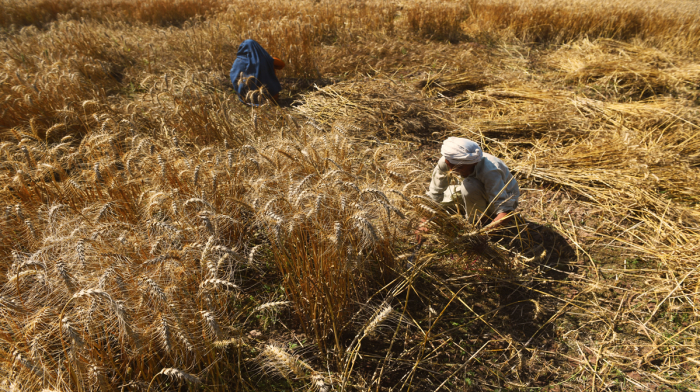
Extreme heat is threatening agricultural production and food security in Pakistan's eastern Punjab province, where increasingly frequent and severe heatwaves are disrupting farming, damaging livestock and reducing household incomes.
Global temperatures are projected to rise by up to 2.8°C above pre-industrial levels by 2100 under current climate policies, according to a United Nations report published on 21 October, raising concerns about the world's ability to meet international climate targets.
You can download the AnewZ application from Play Store and the App Store.
What is your opinion on this topic?
Leave the first comment