live Trump says attack on Iran was paused, signals possible nuclear deal- Middle East conflict
U.S. President Donald Trump said on Monday that he had paused a planned attack on Iran after Tehran sent a peace proposal to Washington. He said th...
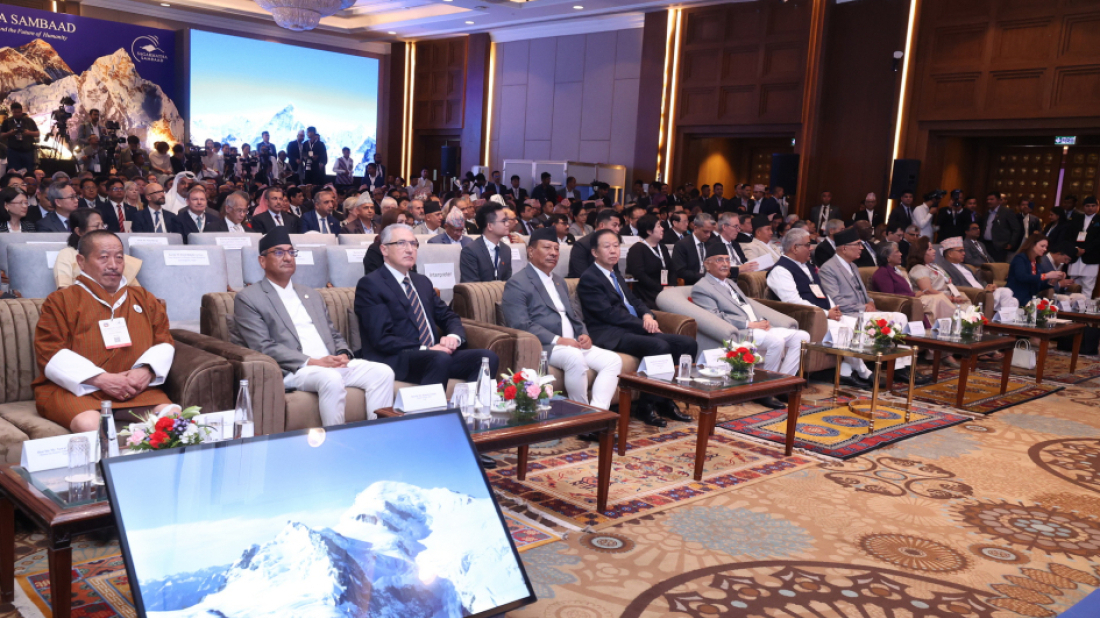
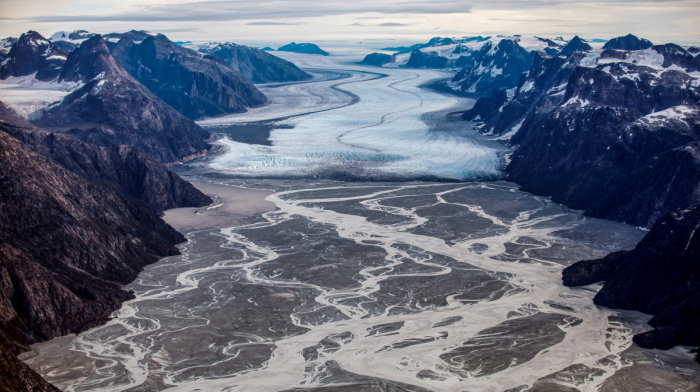
Nepal opened a major climate summit on Friday, urging global unity to protect the world's mountain ecosystems, as climate change rapidly melts glaciers across the Himalayas.
The three-day international conference in Kathmandu, titled “Climate Change, Mountains and the Future of Humanity,” brought together global leaders and experts to tackle the growing environmental risks facing high-altitude regions.
Speaking at the opening, Nepal's Prime Minister Khadga Prasad Oli warned that glacial melt is already exposing mountain faces and increasing the threat of avalanches and landslides. "From the lap of Sagarmatha (Everest), we send a loud and clear message: protecting mountains is protecting humanity, our seas, and our planet," Oli said.
Nepal is home to eight of the world's 14 highest peaks, and warming temperatures are rapidly accelerating ice loss across the region.
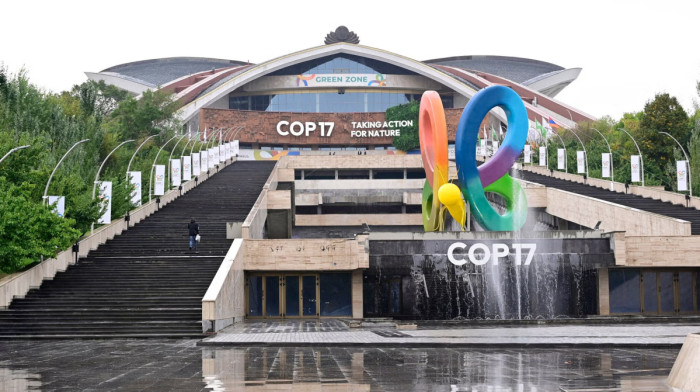
Among the key international voices at the summit was Mukhtar Babayev, COP29 President. He reaffirmed Azerbaijan’s commitment to global climate goals and thanked Nepal for hosting the event.
“We must think of the hundreds of millions of inhabitants living in mountain communities and the billions of people affected by what is happening there. We must move forward again in solidarity for a greener world,” Babayev said.

The World Urban Forum (WUF13) continues in Baku, Azerbaijan on 18 May, addressing the global housing crisis. The day’s agenda includes the official opening press conference, the WUF13 Urban Expo opening and a ministerial dialogue on the Nairobi Declaration to advance Africa's urban agenda.
U.S. President Donald Trump said on Monday he had paused a planned attack on Iran after appeals from the leaders of Qatar, Saudi Arabia and the United Arab Emirates, allowing negotiations to continue over a possible deal to end the conflict.
A 5.2 magnitude earthquake struck China’s Guangxi region early on Monday, killing two people and forcing more than 7,000 residents in Liuzhou to evacuate as rescue efforts continued.
The World Health Organization (WHO) has declared an Ebola outbreak in the Democratic Republic of Congo (DRC) and Uganda a Public Health Emergency of International Concern (PHEIC), warning that the situation poses a significant risk of cross-border spread in Central Africa.
The World Urban Forum (WUF) opens this week in Baku, Azerbaijan, bringing together governments, city leaders, urban planners, researchers and civil society to exchange ideas on how cities can become more inclusive, resilient and sustainable.
More than 100 people were killed in a violent storm that battered India's most populous state, Uttar Pradesh, with rain and hail, the state Disaster Management and Relief office said on Thursday.
Climate change has driven a record surge in wildfires across Africa, Asia and other regions this year, with scientists warning that conditions are likely to worsen further as the northern hemisphere enters summer and El Niño weather patterns intensify.
Destruction of the world's tropical forests eased in 2025 from a record high, a report showed on Wednesday, underscoring how decisive policy can help keep trees standing despite pressures from a warmer climate and expanding agricultural frontiers.
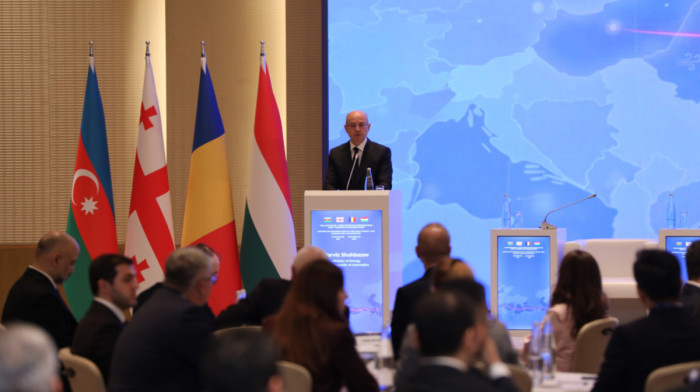
Kazakhstan has ratified a regional green energy agreement with Azerbaijan and Uzbekistan, signalling Central Asia’s ambition to become a key supplier of renewable energy to international markets.
China’s growing use of electric and hydrogen-powered vehicles took centre stage at the Beijing Auto Show 2026, which opened on 24 April, highlighting the country’s expanding clean transport ambitions.
You can download the AnewZ application from Play Store and the App Store.
What is your opinion on this topic?
Leave the first comment