Student movement topples Serbia's Vucic in historic election
Serbia's Aleksandar Vucic conceded defeat to the student-led protest movement in parliamentary elections on Su...
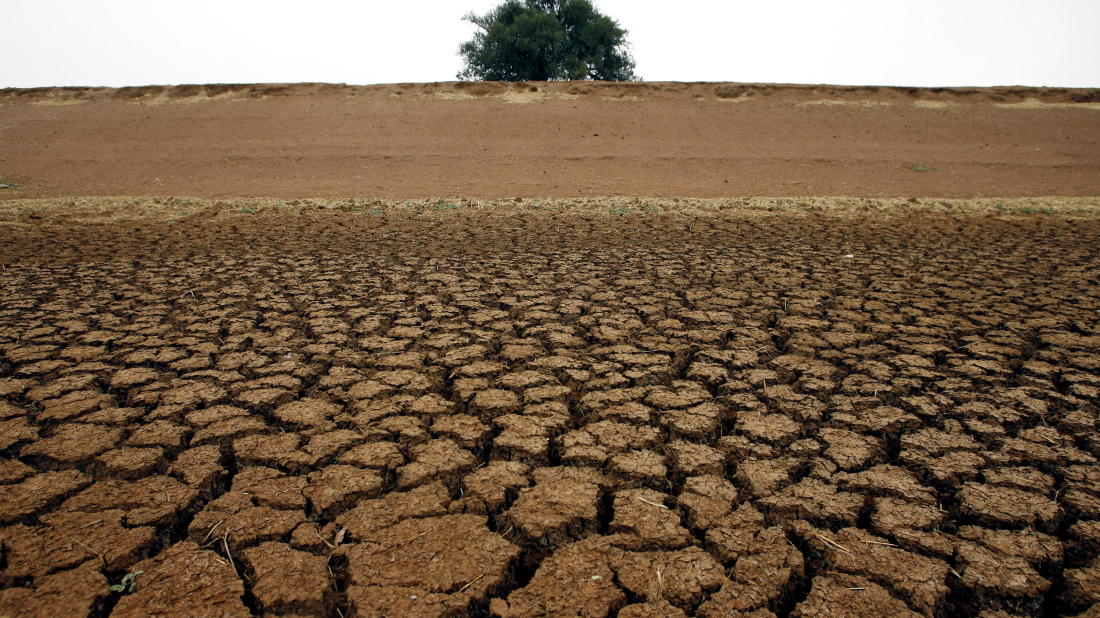
The UK is heading into summer with a growing threat of drought, as river flows across the country hit exceptionally low levels.
Scientists at the UK Centre for Ecology and Hydrology (UKCEH) warn that dry and warm weather over the next three months could push water resources to a critical point.
River flows in nearly every catchment area are already below average, with some recording the lowest levels since 1958. If the dry spell continues, the situation could lead to widespread water shortages, fish deaths, and more sewage spills in already stressed rivers.
The last time England built a reservoir was over 30 years ago, leaving it poorly prepared for prolonged dry weather. Some regions just saw their driest spring on record. Without significant rainfall—on the scale of the 2012 floods—hosepipe bans and broader water rationing are likely.
Thames Water boss Chris Weston said restrictions are not off the table. Meanwhile, River Action CEO James Wallace placed blame on poor regulation and corporate mismanagement, saying:
“Our reservoirs are running dry and our rivers are polluted with sewage. Yet again, the public will bear the costs of a failing water industry.”
As farmers and water companies continue drawing from rivers, experts warn the situation could rapidly deteriorate. The UKCEH expects river flows to remain low to exceptionally low through July.
Around 11,000 people joined a demonstration in Orléans on Saturday against the National Rally congress, according to the local prefecture.
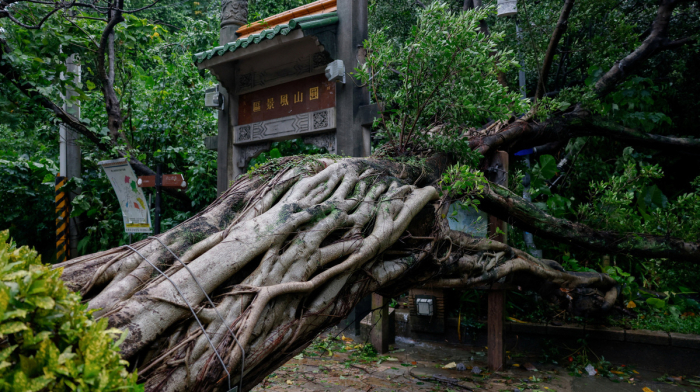
Typhoon Champi swept past Taiwan on Saturday, leaving one person dead and more than 500 injured as strong winds and torrential rain brought down trees, cut power and disrupted transport across the island.
French President Emmanuel Macron on Friday described a deadly shooting in the towns of Trappes and La Verrière, west of Paris, as a racist attack and ‘a turning point’ for the country.
Israeli forces have maintained a tight closure on Hebron in the occupied West Bank for a second day, with Palestinian media reporting home raids, mass detentions and dozens of residents forced outside following a shooting incident the day before.
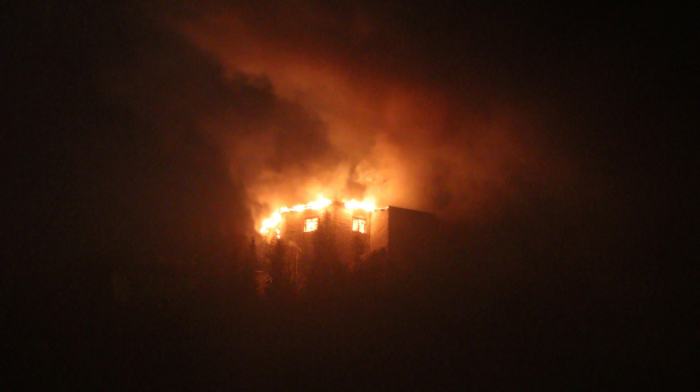
German police have detained a suspect after a major fire broke out at the historic Kehlsteinhaus, known as the “Eagle’s Nest”, a mountain retreat once used by senior Nazi officials, including Adolf Hitler.
Azerbaijan is seeking international investment in a 3,000-kilometre green energy corridor to Europe, with banks, investors and energy companies gathering in Baku on Thursday to discuss financing for the ambitious project.
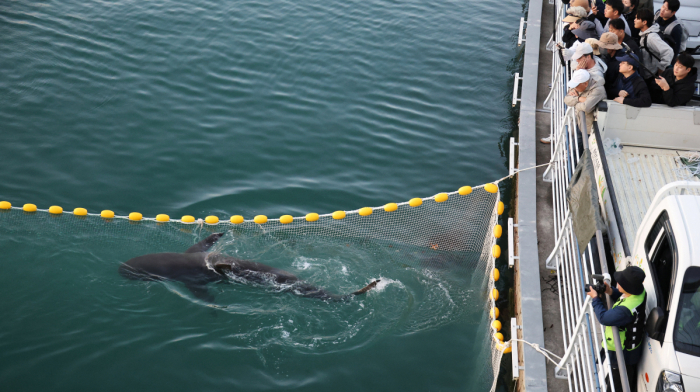
A female dusky shark trapped in a canal in Busan, South Korea, for more than a month has finally returned to the open sea after a successful rescue operation on Wednesday (21 October), following two failed attempts.
The world is on course for dangerous levels of global warming despite international climate pledges, with greenhouse gas emissions hitting record highs and the Paris Agreement’s 1.5°C target increasingly out of reach, according to a UN assessment.
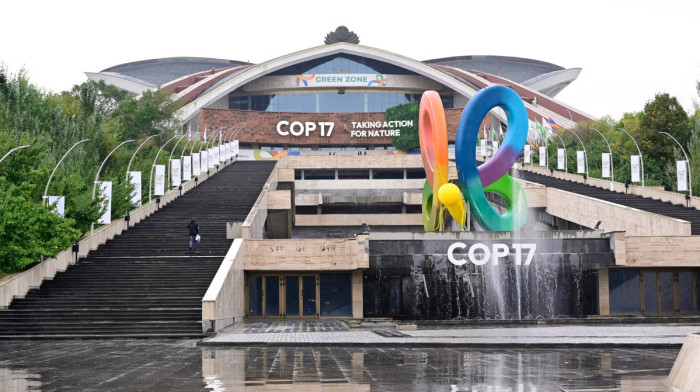
As Armenia prepares to host COP17, the 17th Conference of the Parties to the Convention on Biological Diversity, new projections reveal a widening gap between global conservation promises and what countries are on track to deliver by 2030.
Here’s your AnewZ Daily Brief for 15 October 2026, featuring the top five culture and entertainment stories from around the world.
You can download the AnewZ application from Play Store and the App Store.
What is your opinion on this topic?
Leave the first comment