Wall Street’s main indexes surged on Monday, driven by gains in technology stocks, after the White House announced exemptions for smartphones and computers from new tariffs on Chinese imports. However, additional levies on semiconductors are still expected later this week.
The exemptions were revealed on Friday, and President Donald Trump stated that tariff rates for imported semiconductors would be announced later. According to U.S. Commerce Secretary Howard Lutnick, the exempted tech products will face new duties within two months. These products, which include smartphones and computers, make up about 20% of U.S. imports from China, according to Deutsche Bank.
At 09:37 a.m., the Dow Jones Industrial Average rose by 416.38 points, or 1.04%, to 40,629.09, while the S&P 500 gained 71.87 points, or 1.34%, to 5,435.23, and the Nasdaq Composite climbed by 281.52 points, or 1.68%, to 17,005.97.
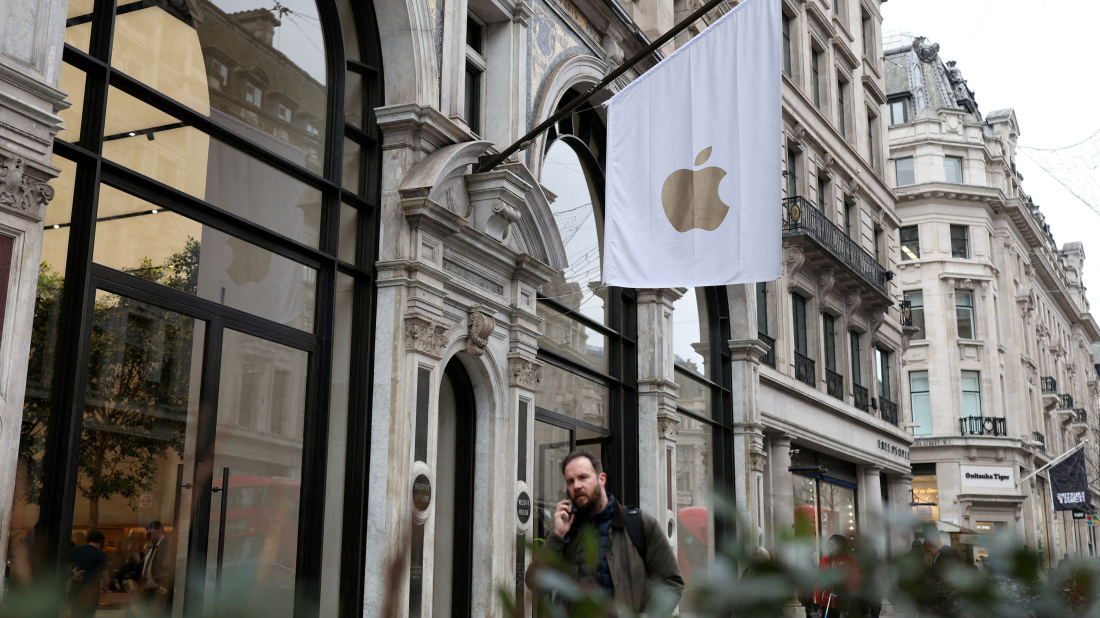
Information technology stocks led the gains, with the sector rising by 2.3%. Apple was among the top performers, gaining 5.4%, while semiconductor stocks also advanced, with the Philadelphia SE Semiconductor index rising 1.1%. Other stocks seeing gains included PC maker HP, which increased 4%, and retailer Best Buy, which added 5%.
The CBOE Volatility Index (VIX), often referred to as Wall Street's "fear gauge," dropped from the eight-month highs seen last week, standing at 32.95.
The tariff exemptions helped reduce some pressure on consumer goods, particularly Apple products, which would have faced significant challenges if tariffs had been imposed, according to Kim Forrest, CIO at Bokeh Capital Partners. Forrest speculated that the Trump administration might be responding to consumer pressure and suggested the possibility of further tariff reductions.
The move marks the latest development in the back-and-forth tariff policies under the Trump administration, which have contributed to trade tensions with China and caused significant market fluctuations since the COVID-19 pandemic in 2020.
Despite the gains, the S&P 500 is still approximately 4.5% below the levels seen before the "Liberation Day" tariff announcement on April 2.
Goldman Sachs shares rose by 2.1% after the bank reported higher first-quarter profits. Investors are also watching for quarterly earnings from companies like Netflix this week.
In other notable moves, obesity drugmakers saw gains after Pfizer announced it would discontinue development of its experimental weight-loss pill. Eli Lilly and Viking Therapeutics rose by 1% and 13%, respectively.
Citigroup downgraded U.S. equities to "neutral" from "overweight," citing expectations that tariffs would negatively impact earnings growth.
With key economic data, including U.S. retail sales for March and commentary from Federal Reserve Chair Jerome Powell, expected later this week, markets will be closely watching for further signs of economic direction.
On the NYSE, advancing issues outnumbered decliners by a 7.36-to-1 ratio, and on the Nasdaq, the ratio was 3.83-to-1. The S&P 500 posted one new 52-week high, while the Nasdaq recorded 19 new highs and 19 new lows.





















What is your opinion on this topic?
Leave the first comment