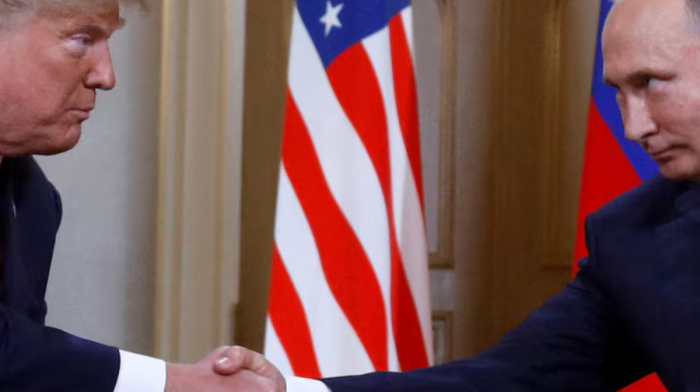
Trump says U.S. strikes in Nigeria delayed to give ‘Christmas present’
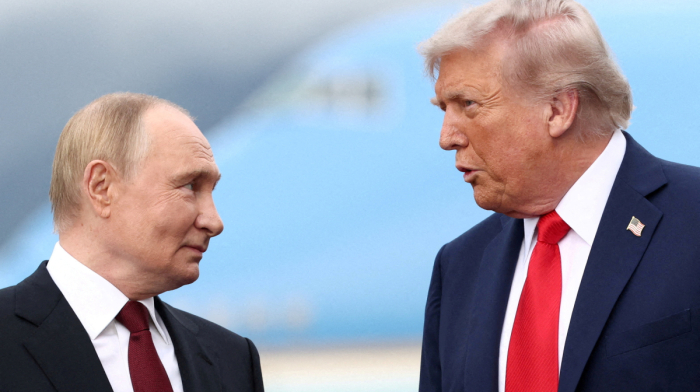
U.S. President Donald Trump on Friday said he ordered a military strike targeting Islamic State (ISIS/Daesh) militants in Nigeria to be delayed by one...
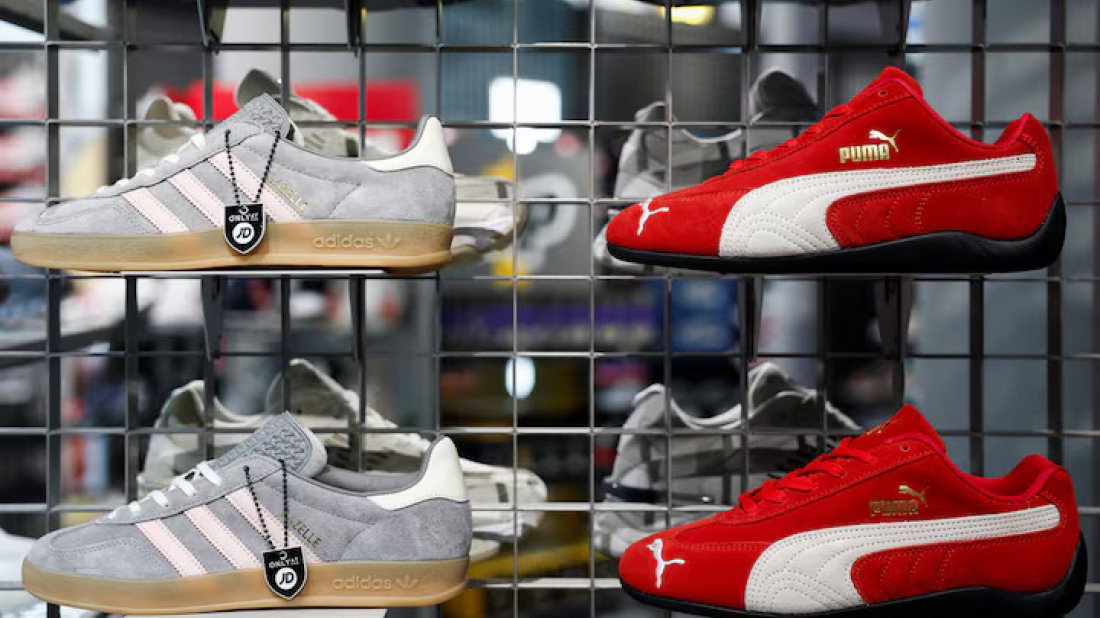
Shares in Nike, Adidas, and Puma fell sharply after the U.S. imposed steep tariffs on Vietnam, Indonesia, and Cambodia, key sourcing hubs. The move raises concerns over rising costs and supply chain disruptions, adding fresh uncertainty to global markets.
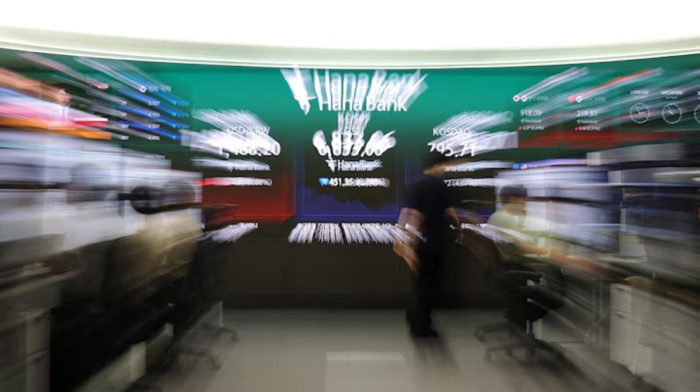
Shares in leading sportswear brands Nike, Adidas, and Puma tumbled on Thursday following U.S. President Donald Trump’s announcement of sweeping new tariffs. The latest trade measures impose a 46% tariff on Vietnam, 49% on Cambodia, 37% on Bangladesh, and 32% on Indonesia, key manufacturing hubs for the industry. China also faces an additional 34 percentage point hike, further escalating trade tensions.
Nike, which sourced 50% of its footwear and 28% of its apparel from Vietnam in its 2024 financial year, saw its Frankfurt-listed shares drop 6.5%. Adidas shares fell 9% to a one-year low, while Puma plunged 8.5%, hitting its lowest level since November 2016.
Adidas relies heavily on Vietnam, which accounts for 39% of its footwear production, with Indonesia and Cambodia contributing 32% and 23%, respectively. Analysts warn that these higher tariffs will disproportionately impact the sportswear sector, leading to potential cost increases and supply chain disruptions.
The tariffs add fresh uncertainty to the global economy, with investors closely watching how these brands navigate rising costs and shifting trade policies. Market analysts anticipate further volatility as companies assess their sourcing strategies in response to the trade war escalation.

A majority of Russians expect the war in Ukraine to end in 2026, state pollster VTsIOM said on Wednesday, in a sign that the Kremlin could be testing public reaction to a possible peace settlement as diplomatic efforts to end the conflict intensify.
In 2025, Ukraine lived two parallel realities: one of diplomacy filled with staged optimism, and another shaped by a war that showed no sign of letting up.
It’s been a year since an Azerbaijan Airlines plane crashed near Aktau, Kazakhstan, killing 38 people. Relatives and loved ones mourn the victims, as authorities near the final stage of their investigation.
Polish fighter jets on Thursday intercepted a Russian reconnaissance aircraft flying near Poland’s airspace over the Baltic Sea and escorted it away from their area of responsibility.
The United States carried out a strike against Islamic State militants in northwest Nigeria at the request of Nigeria's government, President Donald Trump and the U.S. military said on Thursday.
China has given the nod for car makers to sell Level 3 self-driving vehicles from as early as next year after it approved two electric sedans from Changan Auto and BAIC Motors.
Warner Bros Discovery’s board rejected Paramount Skydance’s $108.4 billion hostile bid on Wednesday (17 December), citing insufficient financing guarantees.
Ford Motor Company said on Monday it will take a $19.5 billion writedown and scrap several electric vehicle (EV) models, marking a major retreat from its battery-powered ambitions amid declining EV demand and changes under the Trump administration.
Iran has rolled out changes to how fuel is priced at the pump. The move is aimed at managing demand without triggering public anger.
U.S. stock markets closed lower at the end of the week, as investors continued to rotate out of technology shares, putting pressure on major indices.
You can download the AnewZ application from Play Store and the App Store.
What is your opinion on this topic?
Leave the first comment