Trump says Iran’s Mojtaba Khamenei not seen after strike – Latest on Middle East crisis
President Trump called on countries to assist in reopening the Strait of Hormuz, while Starmer said the UK is working with allies to restore naviga...
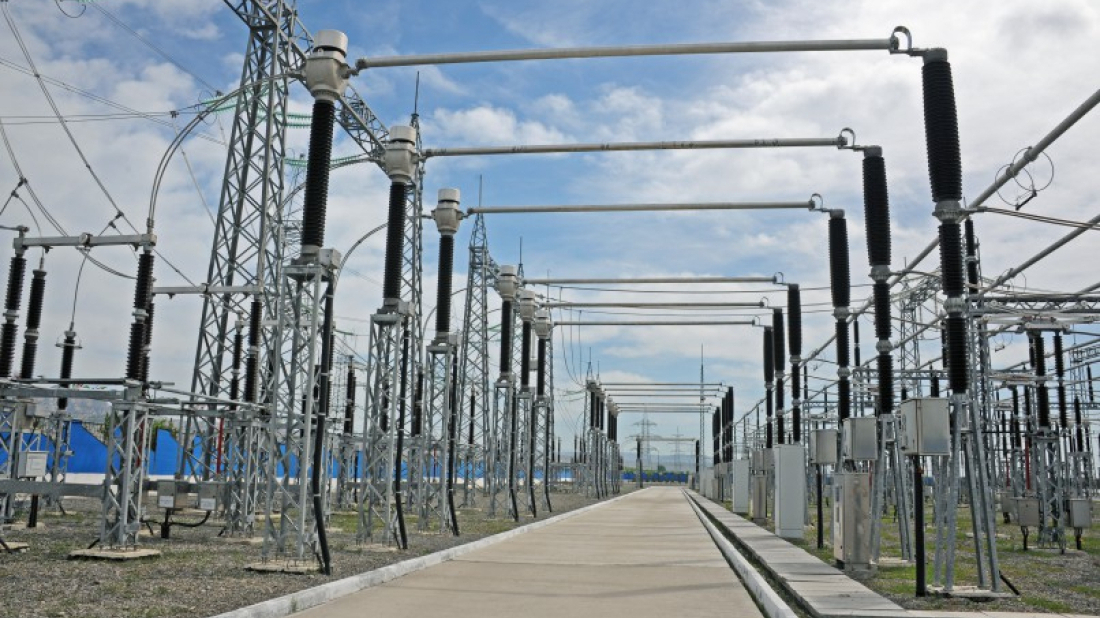
Azerbaijan, Georgia, Romania, and Hungary will build a direct high-voltage submarine cable connecting the South Caucasus region with the European Union, with a purpose to strengthen national and regional energy security.
A joint venture, GECO Power Company - Green Energy Corridor Power Company, has been established by power grid operators of four countries – Romanian Transelectrica, Georgian State Electrosystem, AzerEnerji, and Hungarian MVM Energy.
Agreement on Strategic Partnership between the Governments of the Republic of Azerbaijan, Georgia, Romania and Hungary in the field of Development and Transmission of Green Energy was signed on 17 December 2022 in Bucharest.
The newly-created company will oversee the Black Sea Submarine Cable Project. The length of the submarine power cable will be more than 1,155 km (1,115 km underwater and 40 km on land), the voltage will be 525 kV, and the capacity will be 1,300 MW of telecommunications cable, which will be laid along the submarine power cable.
"The project plays an essential role in strengthening national and regional energy security, increasing connectivity in the Black Sea basin, diversifying supply routes, capitalizing on the potential of renewable energy and increasing its share in the national energy mix, as well as reducing electricity prices for household consumers and Romanian companies," according to a joint statement.
The estimated completion date for the construction of the submarine power cable is 2030. The project's feasibility study, carried out by the Italian consulting company CESI, has shown that the project is technically and economically feasible.
The European Bank for Reconstruction and Development (EBRD) and the European Investment Bank (EIB) expressed interest in the project estimated to cost EUR 3.5 billion.

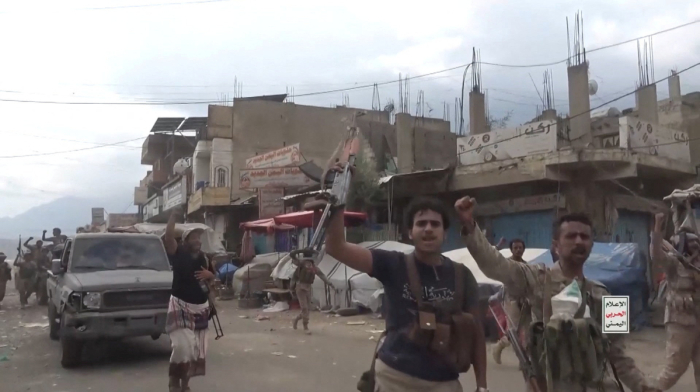
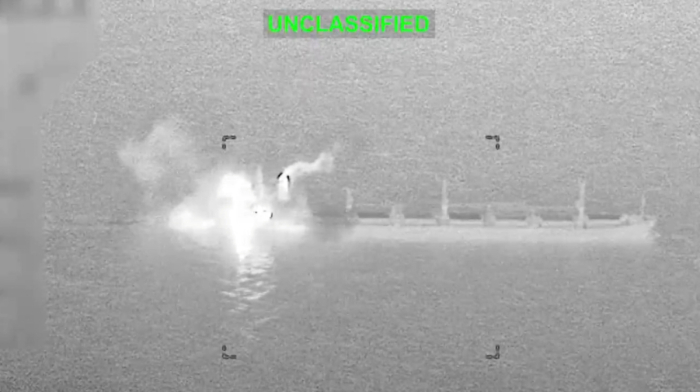
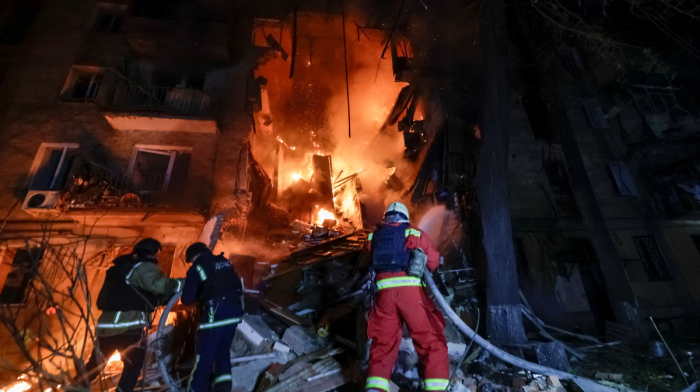
Iran says it is open to talks with countries seeking safe passage through the Strait of Hormuz - disrupted by recent attacks - as Israel continues to launch wide‑scale strikes on Iranian infrastructure in the west. This live report tracks the latest developments.
President Trump called on countries to assist in reopening the Strait of Hormuz, while Starmer said the UK is working with allies to restore navigation and stabilise oil markets. It comes as a strike near Iraq’s western border killed several Hashed al-Shaabi fighters, raising regional tensions.
The other evening, I was fuelling my car at a petrol station in Kenya’s capital. It was one of those small moments most motorists barely notice. The attendant filled the tank, I glanced at the pump price, paid, and drove off.
Start your day informed with AnewZ Morning Brief. Here are the top news stories for the 15 March, covering the latest developments you need to know.
Top U.S. and Chinese economic officials launched a new round of talks in Paris on Sunday (15 March) to resolve issues in their trade truce. The discussions aim to smooth the way for U.S. President Donald Trump’s visit to Beijing to meet Chinese President Xi Jinping at the end of March.
The prevailing security situation in the region has done little to deter entrepreneurs from the Commonwealth of Independent States (CIS) who continue to view Dubai as a premier and safe location for business.
China has raised the retail prices of petrol and diesel after global oil prices climbed sharply. The country’s top economic planning body, the National Development and Reform Commission (NDRC), announced the move after reviewing international oil market trends.
Global financial markets remained on edge on Friday as the escalating war involving the United States, Israel and Iran continued to rattle investors, fuelling volatility in stocks and sending energy prices sharply higher.
China’s top leadership has unveiled a new push to turn advanced technologies into large-scale industrial priorities as part of the country’s upcoming 15th Five-Year Plan, which will guide economic and social development from 2026 to 2030.
The European Commission sees no immediate impact on the European Union's security of oil supply from the escalating conflict in the Middle East, it said in an email to EU governments, seen by Reuters on Monday (2 March).
You can download the AnewZ application from Play Store and the App Store.
What is your opinion on this topic?
Leave the first comment