Kazakhstan concludes first Kurultai election with turnout at 74.19%
Kazakhstan has concluded its first election to the new unicameral Kurultai, with turnout reaching 74.19 per cent, as vote counting begins following...
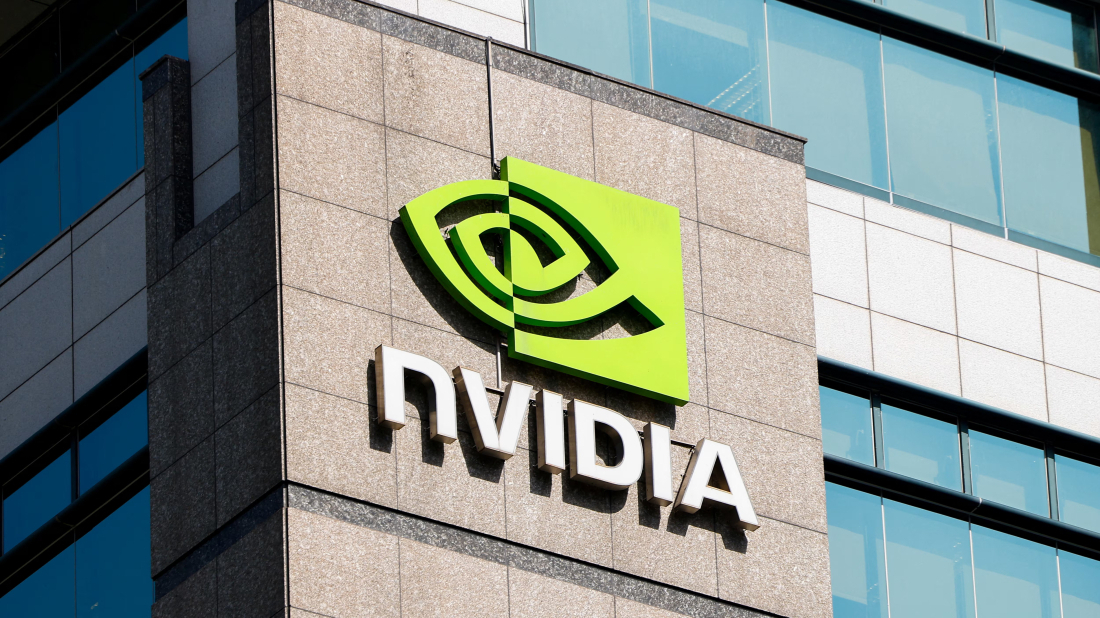
Nvidia’s (NVDA.O) H20 chips present security risks for China, according to a social media account linked to Chinese state media, which made the claim on Sunday after Beijing raised concerns about potential backdoor access in the chips.
The account, Yuyuan Tantian- affiliated with state broadcaster CCTV also argued in a WeChat post that the H20 chips are neither technologically advanced nor environmentally friendly. “When a type of chip is neither environmentally friendly, nor advanced, nor safe, as consumers, we certainly have the option not to buy it,” the article concluded.
Nvidia did not immediately comment.
The H20 artificial intelligence chips were designed specifically for China after the U.S. restricted exports of advanced AI chips in late 2023. While U.S. President Donald Trump’s administration banned their sale in April amid rising trade tensions, the ban was lifted in July.
On 31 July, China’s cyberspace regulator said it had summoned Nvidia to explain whether the chips contained backdoor security vulnerabilities- hidden mechanisms that bypass normal authentication or controls. Nvidia later denied having any “backdoors” that could enable remote access or control.
Yuyuan Tantian, however, claimed the chips could perform functions such as “remote shutdown” via a hardware backdoor.
The remarks came after similar criticism from the state-run People’s Daily, which earlier this month said Nvidia should provide “convincing security proofs” to ease Chinese concerns over potential risks and restore market confidence.

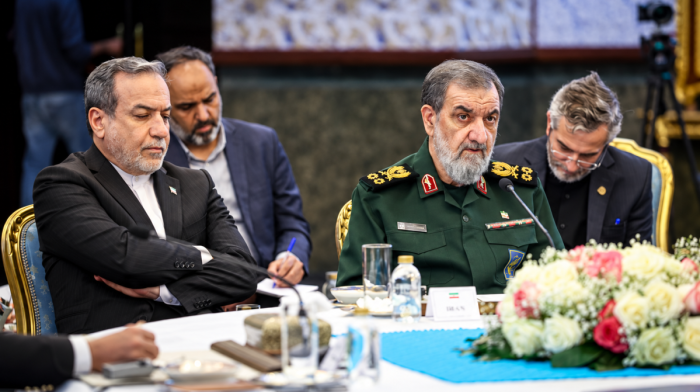
Iran on Saturday denounced U.S. plans to announce new sanctions that could put further strain on the Islamic Republic's economy and have an impact on its most important trading partners including China.
A large-scale drone attack has hit Russia's Samara region, damaging facilities and disrupting operations at an Ozon logistics complex, according to regional authorities and the company.
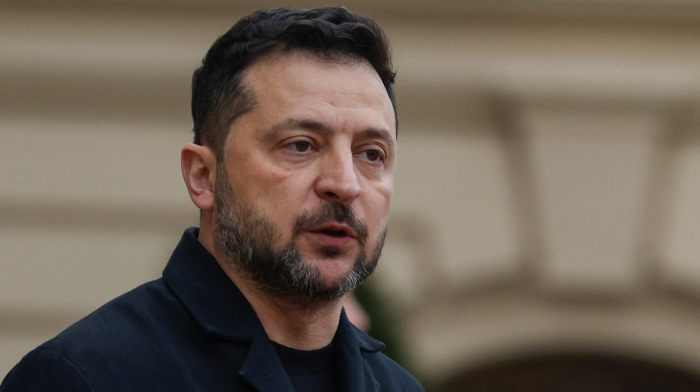
Ukrainian President Volodymyr Zelenskyy has rejected calls for a wartime election, arguing that holding a vote while Russia's full-scale invasion continues would divide the country and undermine national unity.
U.S. President Donald Trump said Iran was not ready to make what he called the "right deal" with Washington as tensions persisted over the war and the Strait of Hormuz.
Start your day informed with AnewZ Morning Brief. Here are the top news stories for the 22nd of August, covering the latest developments.
AnewZ Business Europe, a new weekday programme, takes viewers inside companies driving growth and innovation across the continent, with Brickken CEO Edwin Mata joining the programme for its first episode with host Chief Global Editor Guy Shone. The show airs every Friday.
Once associated mainly with Muslim-majority countries, Islamic finance has become a global industry. Its assets reached around $5.98 trillion in 2024, according to ICD–LSEG, as more countries explore Shariah-compliant finance.
Fuel restrictions have returned to parts of Moscow and the surrounding region, adding another strain to Russia’s economy as refinery outages and rising imports weigh on the rouble.
Azerbaijan exported goods worth $17.372 million to Armenia between January and July 2026, according to data from the State Customs Committee, as commercial ties between the two South Caucasus neighbours showed signs of expansion.
Online fast-fashion platform Shein lost a London copyright lawsuit against rival Temu on Thursday over photographs used to promote some products.
You can download the AnewZ application from Play Store and the App Store.
What is your opinion on this topic?
Leave the first comment