The UK has intensified economic pressure on Russia by announcing a new wave of sanctions. Prime Minister Keir Starmer announced 30 new measures which target key areas of Russia’s financial, military, and energy sectors, in response to President Volodymyr Putin’s ongoing war in Ukraine.
"Putin's persistent unwillingness to engage in meaningful peace efforts has strengthened the UK’s determination to tighten its economic grip on Russia," said in a statement released by UK's government.
“These sanctions strike right at the heart of Putin’s war machine, choking off his ability to continue his barbaric war in Ukraine. We know that our sanctions are hitting hard, so while Putin shows total disregard for peace, we will not hesitate to keep tightening the screws," - the statement stated.
“The threat posed by Russia cannot be underestimated, so I’m determined to take every step necessary to protect our national security and keep our country safe and secure,” added the Prime Minister.
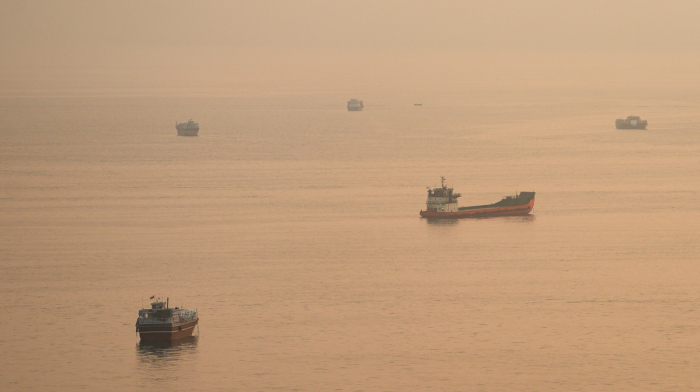
The latest sanctions further tighten the squeeze on Putin’s shadow fleet, with 20 oil tankers now directly targeted.
The UK is also stepping up pressure on those facilitating Russia’s illicit oil trade, sanctioning Orion Star Group LLC and Valegro LLC-FZ for their involvement in staffing and managing these covert vessels.
"Today’s measures also strike at the heart of Russia’s military capabilities," targeting the GUGI — the military agency behind the development of underwater intelligence operations. The statement said that this move not only hampers Putin’s war machine but also strengthens the UK’s defences against potential threats to subsea infrastructure.
Additionally, two UK-based individuals, Vladimir Pristoupa and Olech Tkacz, have been sanctioned for operating a "shadowy network of shell companies" that funneled over $120 million worth of electronics — many classified as high-priority — to Russia, according to the UK's press release.
It adds that these UK residents, who own businesses on British soil, have played a critical role in "supplying advanced electronics essential to Putin’s military campaign."
The UK is making it clear: "there is no safe haven for enablers of aggression."
Foreign Secretary, David Lammy said that the UK also plans to move with partners to tighten the Oil Price Cap to hurt Russia’s oil revenues, while ensuring stability of the energy market.
"We are determined to hit Putin where it hurts by striking at his oil revenues – the single most important source of funding for his barbaric war," - he added.











What is your opinion on this topic?
Leave the first comment