View: Ukraine funding crisis deepens as war drags on
Russia’s latest attacks on Zaporizhia come as European leaders gather in Brussels to discuss the possible use of frozen Russian assets to support Uk...
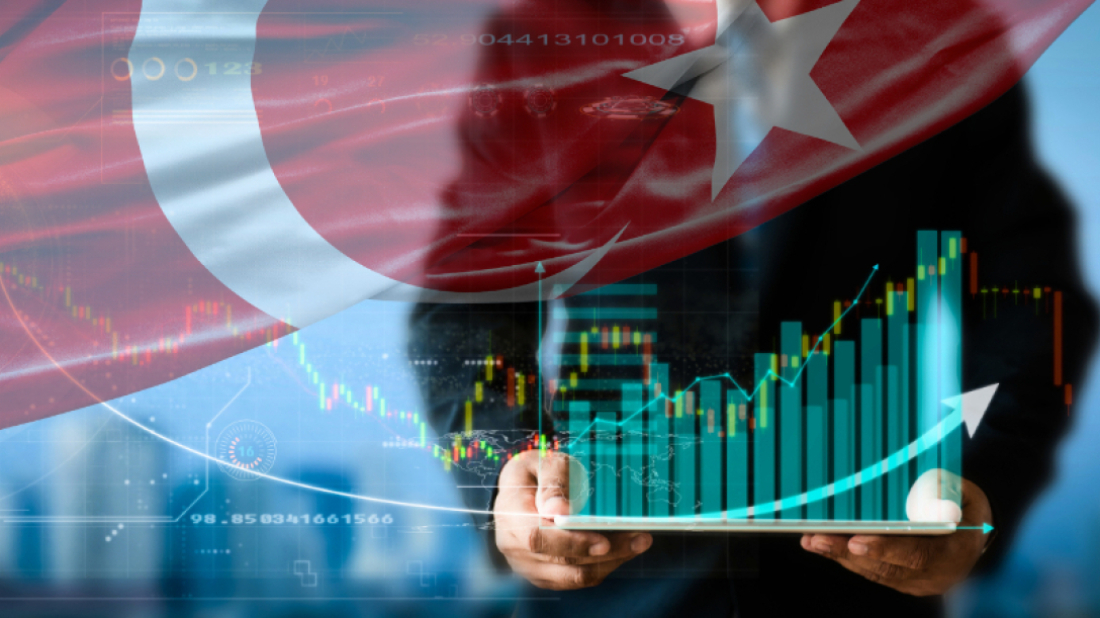
The European Bank for Reconstruction and Development (EBRD) expects Türkiye’s economy to grow by 2.8% in 2025, a downgrade from its February 2025 forecast, due to weaker domestic and external demand and a tighter-than-expected monetary policy.
The Bank expects the Turkish economy to grow by 3.5% in 2026, unchanged from its previous forecast.
The projections have been published today in the Bank’s Regional Economic Prospects report, which revised the EBRD’s aggregate 2025 growth forecast for its regions of operation down by 0.2% to 3%. The downgrade reflects heightened global policy uncertainty, weaker external demand, and both the direct and indirect effects of recently announced increases in import tariffs, the report reads.
"Türkiye’s downward revision reflects expectations of tighter domestic financial conditions as heightened uncertainty weighs on domestic demand, as well as weakening external demand due to increased uncertainty around global trade policy. Downside risks stem from still-high inflation and the impact of tighter-for-longer global financial conditions on Türkiye’s substantial short-term external financing needs," - EBRD says in statement.
The report notes recent improvements in the economy’s external position, with net exports rising and the current account deficit declining steadily in the 12 months to February 2025. However, inflows of foreign direct investment (FDI) remained relatively low at $12.2 billion (€10.8 billion).
The EBRD invested a record €2.6 billion in Türkiye in 2024, driven by the private sector’s appetite for green investments and the Bank’s continuing support for regions affected by the February 2023 earthquakes.

The latest clashes between Thailand and Cambodia mark a dangerous escalation in one of Southeast Asia’s oldest and most sensitive disputes.
In the complex world of international diplomacy, the ongoing tensions between India and Pakistan have raised significant questions about the role of third-party mediation.
Citizens from an additional seven countries, including Syria, are being banned from travelling to the U.S. from the 1st of January next year. President Donald Trump made the annoucement on Tuesday (16 December) now has a total of 39 countries banned from entering the States.
Austria’s public broadcaster ORF, which is hosting the Eurovision Song Contest next year, has said it will not block Palestinian flags in the audience or suppress crowd reactions during Israel’s performance.
Police in Australia have charged a man who allegedly opened fire on a Jewish event on Sydney's Bondi Beach with 59 offences, including 15 counts of murder and one of committing a terrorist act.
Warner Bros Discovery’s board rejected Paramount Skydance’s $108.4 billion hostile bid on Wednesday (17 December), citing insufficient financing guarantees.
Ford Motor Company said on Monday it will take a $19.5 billion writedown and scrap several electric vehicle (EV) models, marking a major retreat from its battery-powered ambitions amid declining EV demand and changes under the Trump administration.
Iran has rolled out changes to how fuel is priced at the pump. The move is aimed at managing demand without triggering public anger.
U.S. stock markets closed lower at the end of the week, as investors continued to rotate out of technology shares, putting pressure on major indices.
The U.S. Federal Reserve’s Federal Open Market Committee (FOMC) cut its benchmark interest rate by 25 basis points to a range of 3.50% to 3.75% following its two-day policy meeting, according to an official statement issued on Wednesday, 10 December.
You can download the AnewZ application from Play Store and the App Store.
What is your opinion on this topic?
Leave the first comment