From uprising to the ballot box: Bangladesh’s defining vote
Bangladesh, South Asia’s second-largest economy, stands at a decisive crossroads. As voters head to the polls in a watershed election, the country f...
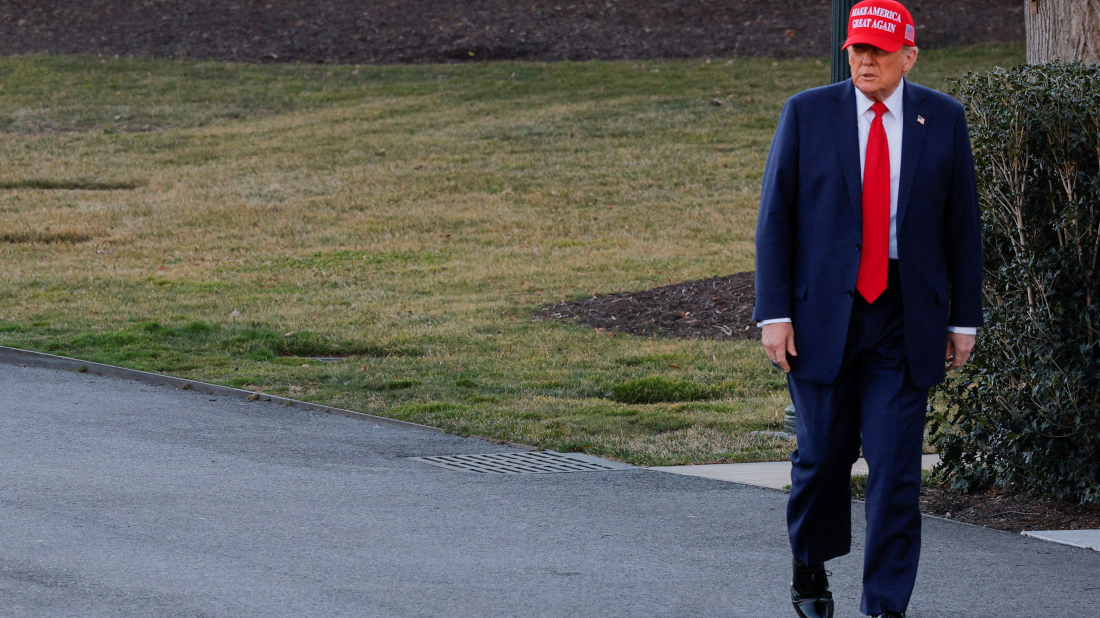
U.S. President Donald Trump signed an executive order on Saturday directing a new national security investigation into imported lumber under Section 232 of the Trade Expansion Act of 1962.
The probe, aimed at potentially imposing additional tariffs on imported lumber and its derivative products, comes as part of broader efforts to rebuild U.S. production of the critical commodity.
The order mandates that Commerce Secretary Howard Lutnick complete the investigation within 270 days. It covers not only raw lumber but also derivative products—such as kitchen cabinets—where U.S.-harvested lumber may be exported and then re-imported. In a related measure, Trump’s order calls for agency heads to implement new steps within 90 days to streamline the permitting process for harvesting timber from public lands and to enhance the salvage of fallen trees, aiming to increase the domestic supply of lumber.
White House trade adviser Peter Navarro emphasized that the probe is intended to counteract actions by major lumber exporters, including Canada, Germany, and Brazil, which he accused of “dumping lumber into our markets at the expense of both our economic prosperity and national security.” Any tariffs imposed as a result of the investigation would be added to existing duties, including a combined 14.5% anti-dumping and anti-subsidy tariff on Canadian softwood lumber. These tariffs stem from a longstanding U.S.-Canada dispute over Canada’s low stumpage fees on public lands—a practice Washington argues amounts to an unfair subsidy.
The new probe is the third tariff-related investigation ordered by Trump in the past week. It follows his directive earlier this month to launch a Section 232 investigation into copper imports and a separate order reviving investigations into tariffs on goods from countries imposing digital services taxes on U.S. technology companies. Trump has also threatened a 25% general tariff on all Canadian and Mexican goods unless those countries address border security and curb fentanyl trafficking.
A White House official underscored the national security risks posed by an increasing reliance on imported lumber, noting that the U.S. military consumes significant quantities of the commodity for construction projects, even though domestic supplies are ample. Home builders, however, have long criticized existing tariffs for raising lumber prices and contributing to home price inflation.
As the Commerce Department gears up to complete its investigation, industry watchers and policymakers alike will be closely monitoring the potential impact on domestic lumber production and U.S. trade relations with key partners.

JD Vance arrived in Armenia on Monday (9 February), becoming the first sitting U.S. Vice President to visit the country, as Yerevan and Washington agreed to cooperate in the civil nuclear sector in a bid to deepen engagement in the South Caucasus.
The United States and Azerbaijan signed a strategic partnership in Baku on Tuesday (10 February) encompassing economic and security cooperation as Washington seeks to expand its influence in a region where Russia was once the main power broker.
Buckingham Palace said it is ready to support any police investigation into allegations that Prince Andrew shared confidential British trade documents with late sex offender Jeffrey Epstein, as King Charles expressed “profound concern” over the latest revelations.
“Peace is not just about signing treaties - it’s about communication, interaction and integration,” Sultan Zahidov, leading adviser at the AIR Center, told AnewZ, suggesting U.S. Vice President JD Vance's visit to the South Caucasus could advance the peace agenda between Azerbaijan and Armenia.
Greek Prime Minister Kyriakos Mitsotakis arrived in Ankara on Wednesday, where Turkish President Recep Tayyip Erdoğan held an official welcoming ceremony at the Presidential Palace, marking the start of high-level talks between the two NATO allies.
Türkiye’s national energy company, TPAO, has struck a new cooperation deal with U.S. energy giant Chevron, signing a memorandum of understanding to explore joint oil and gas exploration and production opportunities, the Turkish Energy and Natural Resources Ministry announced on Thursday.
Wall Street ended sharply lower on Tuesday as investors worried about artificial intelligence (AI) creating more competition for software makers, keeping them on edge ahead of quarterly reports from Alphabet and Amazon later this week.
U.S. stock markets finished mixed on Wednesday (28 January) as investors reacted calmly after the Federal Reserve left interest rates unchanged, a decision that had been widely expected and largely priced in.
The S&P 500 edged to a record closing high on Tuesday, marking its fifth consecutive day of gains, as strong advances in technology stocks offset a sharp selloff in healthcare shares and a mixed batch of corporate earnings.
Chevron is in talks with Iraq’s oil ministry over potential changes to the commercial framework governing the West Qurna 2 oilfield, one of the world’s largest producing assets, after Baghdad nationalised the field earlier this month following U.S. sanctions imposed on Russia’s Lukoil.
You can download the AnewZ application from Play Store and the App Store.
What is your opinion on this topic?
Leave the first comment