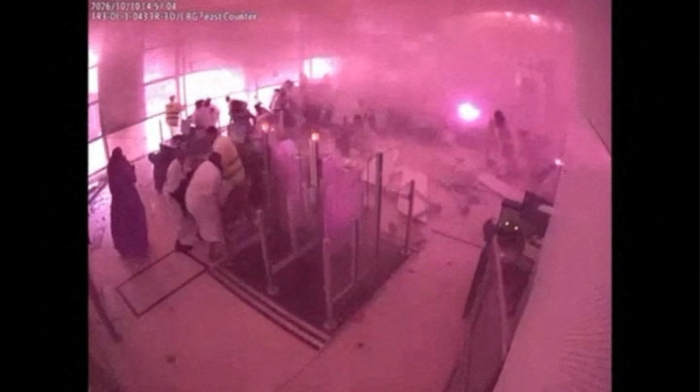
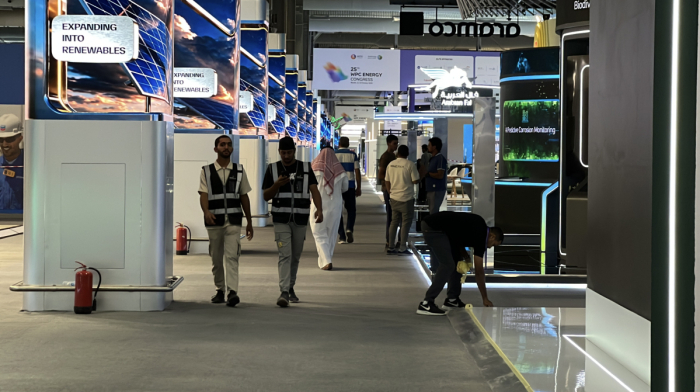
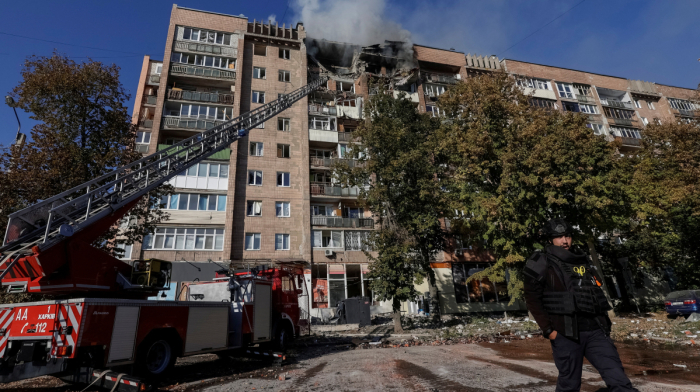
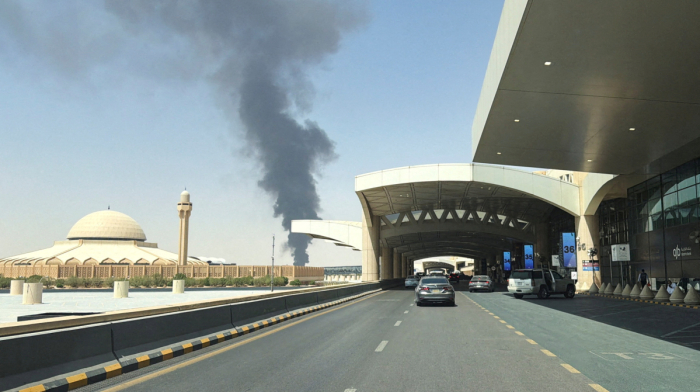
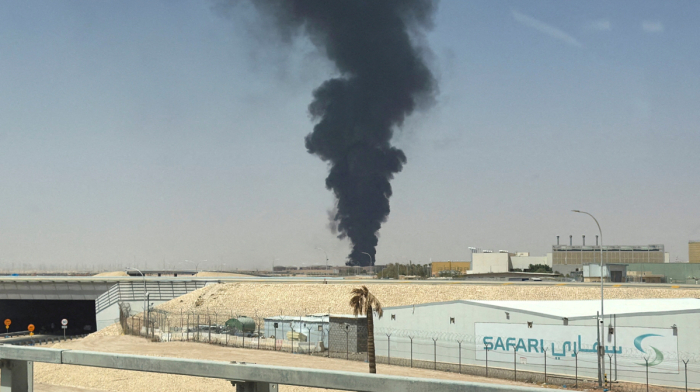
live UAE and Saudi Arabia report drone incidents amid Iran conflict deadlock- Middle East conflict
A drone strike caused a fire at the Barakah nuclear power plant in the UAE, officials said on Sunday, with ...
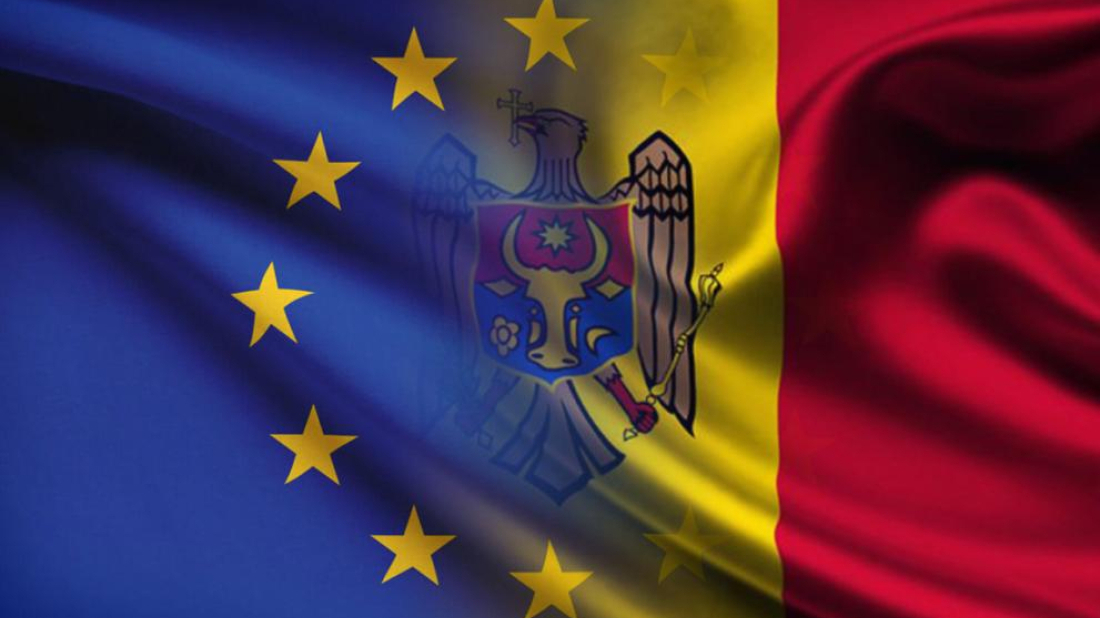
The European Union and the Republic of Moldova today agreed on a two-year comprehensive strategy enhancing energy independence of the country and supporting it to overcome the energy crisis caused after Russia cut off supplies early of January.
“It has a two-fold objective of decoupling Moldova from the insecurities of Russian supply of energy and fully integrating it in the EU energy market,”- said the statement of The EU’s executive branch, the European Commission.
Overall support of EU for Moldova would account to €250 million for 2025, of which €100 million will be provided by mid-April.
In the short term, the overall package will support Moldovan consumers who are facing steep price increases on the Right Bank. It will allow to compensate all excess electricity costs for all households for up to 110 kWh every month until 31 December 2025. It will also compensate for the entire increase of electricity costs for social institutions, including kindergartens, schools and hospitals.
As part of the same strategy, funding of €60 million is also available for the more than 350,000 people in the Transnistrian region of Moldova (the Left Bank) who were left in cold in January after Gazprom discontinued energy supplies. “This support is subject to steps being taken on fundamental freedoms and human rights in the Transnistrian region and excludes energy intensive activities,”- statement said.
Additional funding of €15 million will be provided to support the energy bills of agro-food and manufacturing businesses. Furthermore, through the mobilisation of international financial institutions, additional funding of €50 million will be available for sustainable investments in energy efficiency projects by local public authorities, households and SMEs.
In the longer term, the EU support will allow Moldova to improve its energy security through investments and reforms for the energy transition and ensure the full phase out of Russian supply of energy resources.
Under the first step, the Commission has already provided €30 million EU emergency support announced on 27 January. Thanks to the joint efforts of the European Union and partners, Moldova’s energy system is providing electricity and heat without any blackouts.

Bulgaria has won the Eurovision Song Contest for the first time, taking victory in a final overshadowed by a boycott over Israel’s participation and the war in Gaza.
At least eight people were injured after a driver rammed a car into pedestrians in the northern Italian city of Modena, authorities said on Saturday. Four of the victims were reported to be in serious condition.
U.S. President Donald Trump said Washington could destroy Iran’s infrastructure “in two days,” while Tehran warned the U.S. would face growing economic costs from the conflict. The remarks came as Hezbollah reported new attacks on Israeli forces despite an extended Lebanon ceasefire.
At least eight people have died and 32 others were injured after a freight train collided with a public bus at a railway crossing in Bangkok on Saturday (16 May), triggering a fire that quickly spread through the vehicle.
U.S. President Donald Trump says China's Xi Jinping agreed Iran must reopen the Strait of Hormuz, as Tehran prepares a new shipping mechanism. Tensions over the U.S. blockade and stalled nuclear talks continue to disrupt global oil supplies.
Negotiations between Samsung Electronics and its workforce on Wednesday have broken down, officials said, raising fresh concerns over potential disruption to South Korea’s export-heavy economy.
By the time American shoppers began noticing higher prices on everything from trainers to televisions, the world's two largest economies were already deep in a trade war that left the world wondering how it would end.
The Strait of Hormuz remains a vital maritime chokepoint and serves as the primary artery linking the Persian Gulf to international energy markets. With approximately 20% of global oil and gas shipments transiting this waterway, it is the backbone of energy security for Asia, Europe, and beyond.
China’s exports grew faster than expected in April, as overseas buyers moved quickly to secure supplies amid fears that the conflict involving Iran could drive up global energy and transport costs.
Asian stocks surged to record highs on 7 May as investors priced in growing hopes of a potential Middle East peace deal, while oil prices eased and the U.S. dollar weakened amid shifting global risk sentiment.
You can download the AnewZ application from Play Store and the App Store.
What is your opinion on this topic?
Leave the first comment