How Armenia’s parliamentary election system works ahead of the 2026 vote
Armenia will hold parliamentary elections on 7 June 2026, a vote that will shape the country’s political direction for the next five years. Understa...
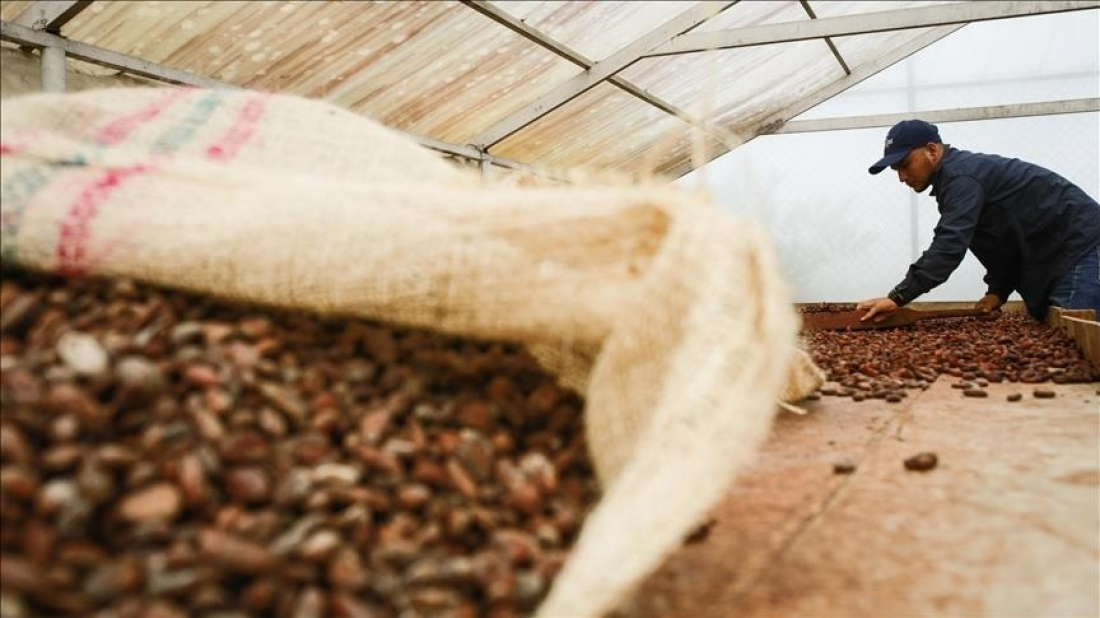
Since the end of 2024, the price of cocoa has fallen below $7,000 per tonne, as expectations of increased supply and weakening demand triggered a sharp market decline.
The highly volatile price of cocoa declined more than 40% in global markets as drought concerns eased in West Africa and harvest increases.
In West Africa, forecasts have improved due to higher rainfall, while the blossoming of cocoa trees continues to put pressure on prices.
High prices and U.S. tariffs could reduce chocolate demand, adding further strain to the market.
Experts predict that production will rise in the coming season, and although there may be short-term price gains, the overall trend is expected to remain downward.
Last year, cocoa prices reached a record $12,931 per tonne amid global supply concerns. Weak output in the Ivory Coast and Ghana, rejection of poor-quality beans, prolonged droughts, heavy rains, and plant diseases such as the CSSVD virus all contributed to the price surge.
Zafer Ergezen, a futures and commodities market expert, noted that West Africa accounts for 70% of global cocoa production, and reduced output last year and in the first half of this year significantly pushed up prices. He added that production is expected to rise this year, which will increase supply.
Rabobank analyst Oran van Dort said that a significant surplus is anticipated for the 2025/2026 season due to production recovery and weaker demand. Ecuador, Brazil, Peru, Nigeria, and Cameroon have already shown growth, while production in the Ivory Coast and Ghana is expected to recover.
Dort added that although the drop in demand has been slower than expected, it will continue next year, and cocoa prices are likely to trend gradually downward in the short and medium term. However, limited supply in the Ivory Coast and Ghana is expected to keep prices above $3,000 per tonne.

Severe Tropical Storm Jangmi brought heavy rain, power cuts and transport disruption across Japan on Wednesday (3 June) as it tracked towards the greater Tokyo region.
Thousands of people have taken to the streets in Albania in recent days to protest against a luxury tourism project linked to Jared Kushner, the son-in-law of U.S. President Donald Trump, and his wife Ivanka Trump.
Armenia’s parliamentary election comes at a defining moment for the South Caucasus, a region reshaped by the Garabagh conflict and broader shifts in Russia-West relations. The outcome is increasingly seen as a signal of Armenia’s future foreign policy direction and the regional balance of power.
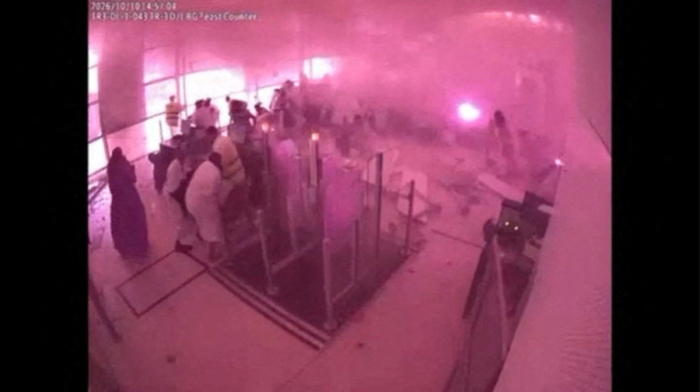
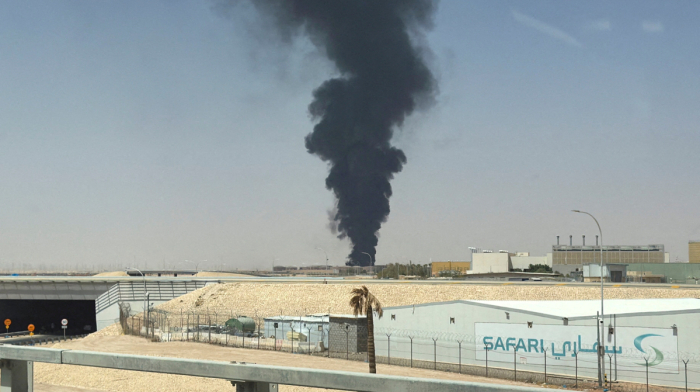
Iran’s Revolutionary Guards (IRGC) said in a statement that its Aerospace Force did not strike the Kuwait Airport passenger terminal on Wednesday, and that the destruction was instead caused by a failed U.S. Patriot missile.
Bolivia’s Defence Minister has resigned amid widening unrest over government austerity measures, which have led to protesters blocking roads into the country’s two largest cities.
The International Labour Organization (ILO) has begun its latest round of negotiations on creating the first binding global standards for platform-based work, covering services such as ride-hailing, food delivery and other app-based work.
European companies are continuing to deepen their presence in China, with nearly seven in ten firms maintaining or expanding their supply chains despite global efforts to diversify, according to a new survey by the EU Chamber of Commerce.
BP has removed its chair, Albert Manifold, with immediate effect, citing concerns over governance and conduct. The company said its board had unanimously decided that Manifold should no longer serve as chair or director.
The dual-class share structure outlined in SpaceX’s initial public offering (IPO) filing, which gives chief executive Elon Musk outsized control, has reignited one of Wall Street’s longest-running debates over corporate governance.
Kevin Warsh will be sworn in as chair of the U.S. Federal Reserve on Friday as policymakers consider higher interest rates to tackle inflation linked to the Trump administration’s Iran policy.
You can download the AnewZ application from Play Store and the App Store.
What is your opinion on this topic?
Leave the first comment