Cuba fuel crisis turns into waste emergency as trash piles up in Havana amid energy blockade
Cuba’s fuel crisis has turned into a waste crisis, with garbage piling up on most street corners in Havana as many collection trucks lack enough pet...
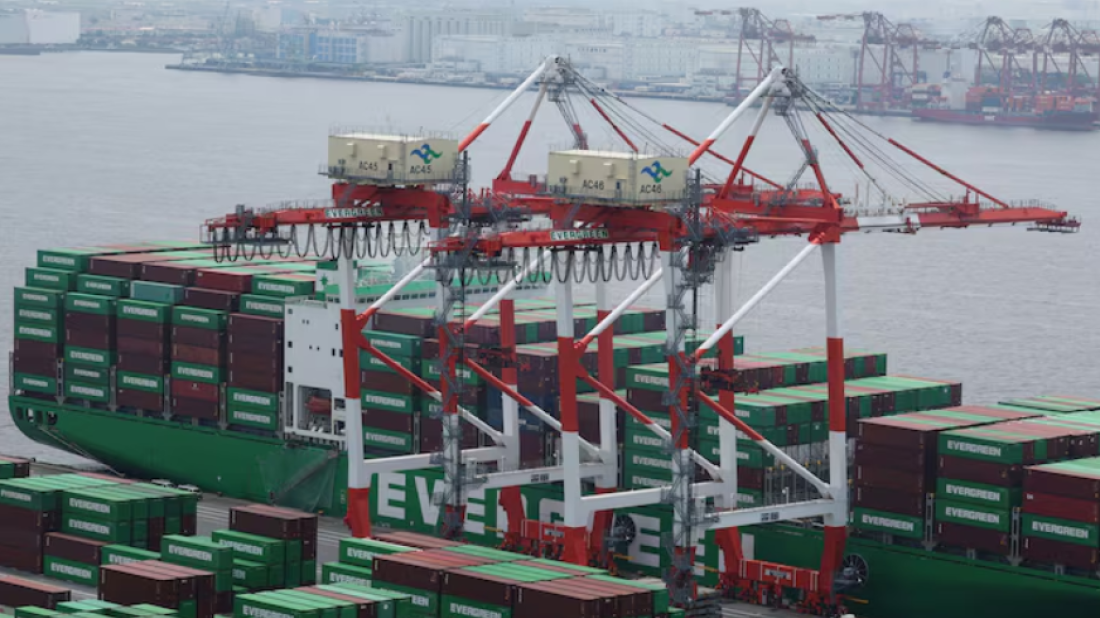
US President Donald Trump has declared a 25% tariff on imports from Japan and South Korea starting August 1, urging both nations to shift production to the US and warning of further tariff hikes if retaliatory measures are taken.
US President Donald Trump on Monday announced that the United States will impose a 25% tariff on goods imported from Japan and South Korea, effective August 1. The decision was made public through official letters posted on social media, addressed to Japanese Prime Minister Ishiba Shigeru and South Korean President Lee Jae-myung.
Trump cited long-standing imbalances in trade relations, stating, “Our relationship has been, unfortunately, far from Reciprocal,” indicating dissatisfaction with current tariff structures. He urged both countries to consider relocating production facilities to the US to avoid the new import duties.
The president said the 25% tariff is already lower than what he deems necessary to fully offset the US trade deficit with Japan and South Korea. Additionally, he issued a warning that should either country respond with retaliatory tariffs, the US would increase its rate accordingly: “If for any reason you decide to raise your Tariffs, then, whatever the number you choose to raise them by, will be added onto the 25% that we charge.”
Trump had earlier indicated that he would begin notifying countries of specific tariff rates this week, ahead of a self-imposed Wednesday deadline to finalise new trade deals or face broader duties.
US Treasury Secretary Scott Bessent told CNBC that Washington is preparing several trade announcements within the next two days, as other nations rush to negotiate ahead of the expected reintroduction of tariffs on July 9. “We’ve had a lot of people change their tune in terms of negotiations,” Bessent remarked, adding that the coming days would be “busy.”

U.S. Ambassador to NATO Matthew Whitaker said China has the power to bring an end to Russia’s war in Ukraine, arguing that Beijing is enabling Moscow’s military campaign.
Austria’s Janine Flock won the gold medal in the women’s skeleton event at the Milano-Cortina 2026 Winter Olympics on Saturday.
Iran’s Supreme National Security Council Secretary Ali Larijani said the United States could evaluate its own interests separately from those of Israel in ongoing negotiations between Tehran and Washington.
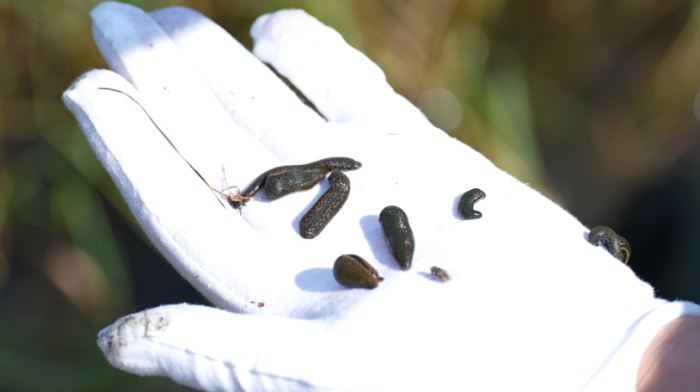
U.S. Secretary of State Marco Rubio on Sunday (15 February) called it “troubling” a report by five European allies blaming Russia for killing late Kremlin critic Alexei Navalny using a toxin from poison dart frogs.
Israel’s National Guard is preparing to deploy drones capable of firing tear gas at Palestinians in the occupied West Bank, including East Jerusalem, as part of security preparations ahead of the Muslim holy month of Ramadan, Israeli Channel 12 reported on Saturday.
Millions of Colombian roses have arrived in the United States just in time for Valentine’s Day, keeping the country on track as the world’s second-largest flower exporter. Between 15 January and 9 February, Colombia shipped roughly 65,000 tons of fresh-cut blooms.
Russia’s car market is continuing to receive tens of thousands of foreign-brand vehicles via China despite sanctions imposed after Moscow’s full-scale invasion of Ukraine in 2022, a journalistic investigation has found.
Türkiye’s national energy company, TPAO, has struck a new cooperation deal with U.S. energy giant Chevron, signing a memorandum of understanding to explore joint oil and gas exploration and production opportunities, the Turkish Energy and Natural Resources Ministry announced on Thursday.
Wall Street ended sharply lower on Tuesday as investors worried about artificial intelligence (AI) creating more competition for software makers, keeping them on edge ahead of quarterly reports from Alphabet and Amazon later this week.
U.S. stock markets finished mixed on Wednesday (28 January) as investors reacted calmly after the Federal Reserve left interest rates unchanged, a decision that had been widely expected and largely priced in.
You can download the AnewZ application from Play Store and the App Store.
What is your opinion on this topic?
Leave the first comment