Iran: 'No enemy troops should survive if adversaries attempt a ground operation' - Middle East conflict on 2 April
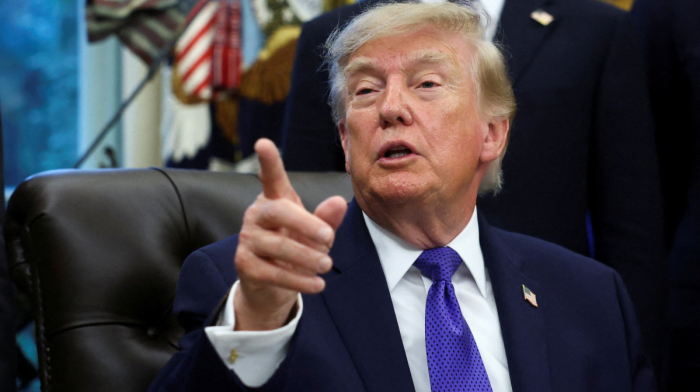
Fears of wider escalation grow despite President Donald Trump saying U.S. strikes on Iran could end within weeks. Meanwhile ...
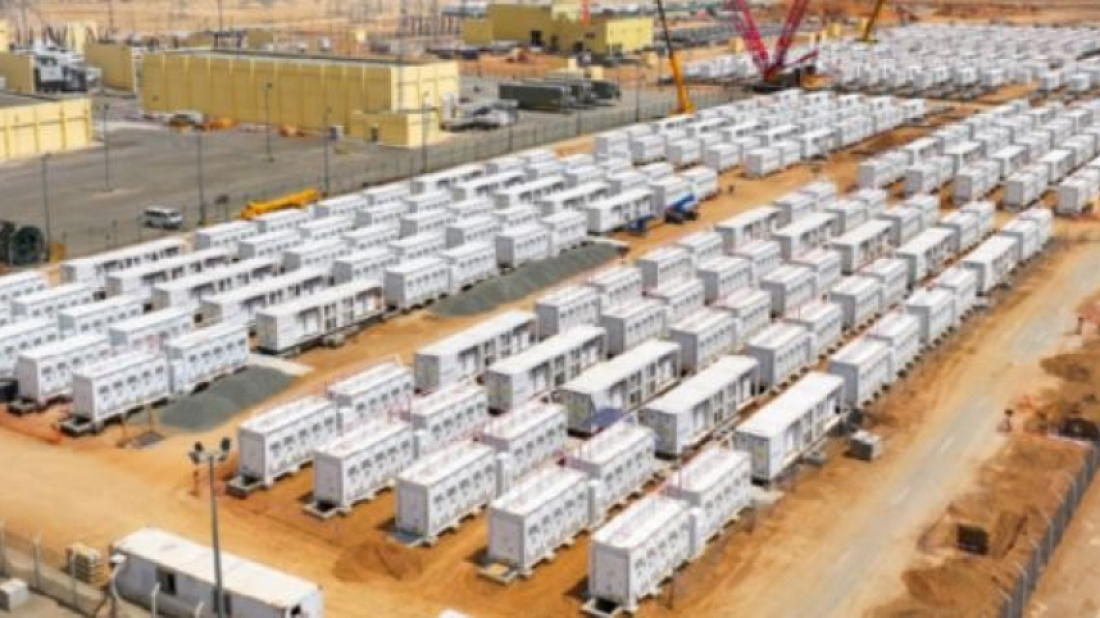
Saudi Arabia has integrated its largest battery energy storage system (BESS) into the grid, marking a significant milestone in the country’s renewable energy development.
The innovative facility boasts a staggering capacity of 500 MW/2000 MWh, positioning itself as the largest operational single-phase energy storage project worldwide.
This ambitious development, located in Bisha, the southwestern Saudi Arabian province of ‘Asir, incorporates 122 prefabricated storage units crafted by the Chinese company BYD. Each storage unit is equipped with a 6 MW power conversion system and features four lithium iron phosphate (LFP) battery modules, providing robust power storage capabilities.
This systematic design enhances efficiency while addressing potential technical failures.
Engineered by Power China’s Hubei Engineering Co., the project overcame the challenges posed by the harsh desert climate, including extreme heat and sandstorms. Engineers developed advanced installation techniques and streamlined commissioning processes, greatly enhancing the system’s resilience.
The Bisha BESS is part of Saudi Arabia’s broader initiative to strengthen its renewable energy infrastructure. The kingdom’s long-term economic strategy “Vision 2030” aims to derive 50% of its energy from renewable sources. Energy storage is a vital component of this transition, providing grid flexibility and enabling the integration of intermittent power sources such as solar and wind.
The project is among several large-scale battery storage initiatives being developed in Saudi Arabia. In an ongoing procurement, the Saudi Power Procurement Company (SPPC) is tendering four 500 MW / 2,000 MWh BESS projects. The list of prequalified 33 bidders was released earlier in January, revealing Masdar, ACWA Power, EDF, and TotalEnergies as competitors for 15-year storage services agreements.

Fears of wider escalation grow despite President Donald Trump saying U.S. strikes on Iran could end within weeks. Meanwhile missile attacks, tanker incidents and rising casualties across Israel, Lebanon and the Gulf heighten risks to regional stability and energy routes.
There are fears of an oil spill after a drone strike hit a Kuwaiti oil tanker near Dubai on Tuesday, while U.S.-Israeli strikes in Iran reportedly killed at least two people. A loud explosion was heard in Beirut in southern Lebanon early Wednesday, as oil prices climbed above $100 a barrel.
Russian-flagged tanker carrying approximately 700,000 barrels of crude oil docked at Cuba's Matanzas oil terminal on Tuesday, shipping data confirmed, marking a vital and controversial delivery to an island paralysed by severe energy shortages and a suffocating U.S. blockade.
Four astronauts blasted off from Florida on Wednesday on NASA's Artemis II mission, a high-stakes voyage around the moon that marks the United States' boldest step yet toward returning humans to the lunar surface later this decade in a race with China.
A Russian military An-26 aircraft has crashed in Crimea, killing all 30 people on board, Russia’s Defence Ministry has confirmed.
The U.S. national average retail price of petrol rose above $4 a gallon for the first time in over three years on Monday (30 March), according to GasBuddy data, as the U.S.–Israeli war with Iran continued to roil global energy markets.
Japan and Indonesia will deepen coordination on energy security, Tokyo said, as the U.S.-Israeli war on Iran disrupts vital oil and gas flows to Asia.
China's three largest state-owned airlines have issued warnings regarding their financial outlook for the current year, acknowledging that the eruption of war involving Iran has driven jet fuel prices to unsustainable highs.
Stock markets across Asia fell on Monday as escalating conflict involving Iran drove oil prices sharply higher, fuelling fears of inflation and a potential global recession, with investors reacting to disruption risks in the Strait of Hormuz and prolonged hostilities.
World Trade Organization (WTO) talks broke up with no agreement on Monday on a plan for reform or even on extending a moratorium on e-commerce, piling more pressure on the trade body that finds itself increasingly sidelined by economic nationalism.
You can download the AnewZ application from Play Store and the App Store.
What is your opinion on this topic?
Leave the first comment