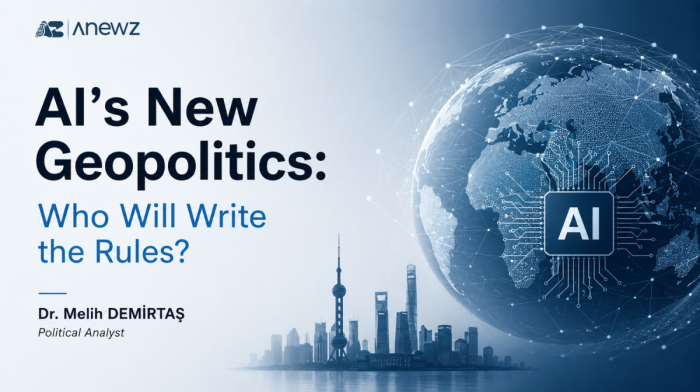
AI’s New Geopolitics: Who Will Write the Rules?
Artificial intelligence is no longer merely a technological revolution. It is becoming one of the defining geopolitical contests of the 21st century.
Russia and NATO appear to be entering a new phase of strategic rivalry as hopes of renewed diplomacy fade and both sides prepare for a prolonged period of confrontation.
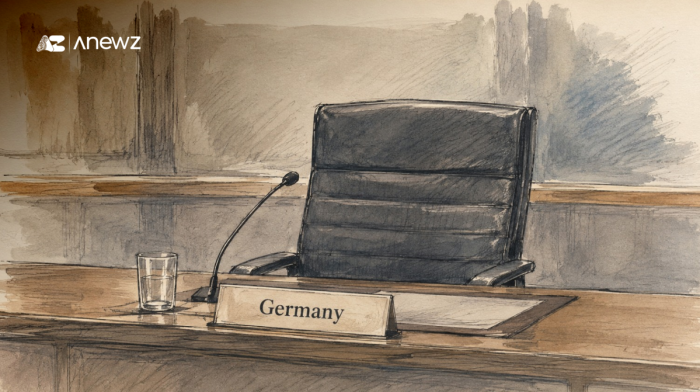
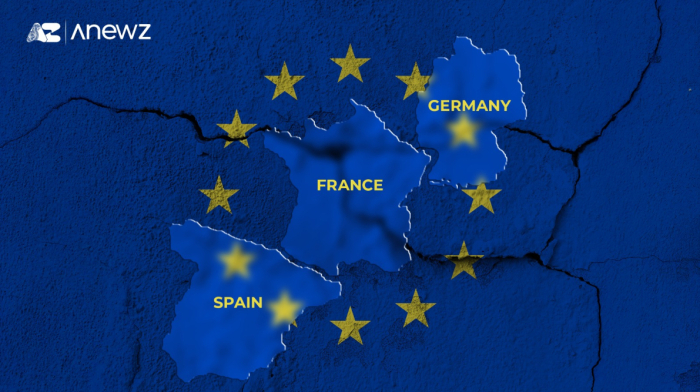
Germany's failure to secure a United Nations Security Council seat has exposed growing questions about its diplomatic influence and moral authority, highlighting the challenges facing Chancellor Friedrich Merz as he seeks to redefine Berlin's role in an increasingly fragmented world.
Europe has entered one of the most complex geopolitical moments since the end of the Cold War. The ongoing war in Ukraine continues to reshape security priorities, while tensions in the Middle East have intensified following U.S. and Israeli-coordinated unilateral military actions against Iran.
What has unfolded in northern Syria recently is not the dramatic defeat of a community, nor a humanitarian parable of “betrayal”. It reflects a familiar pattern in Middle Eastern geopolitics: the quiet removal of a proxy whose strategic usefulness has expired.
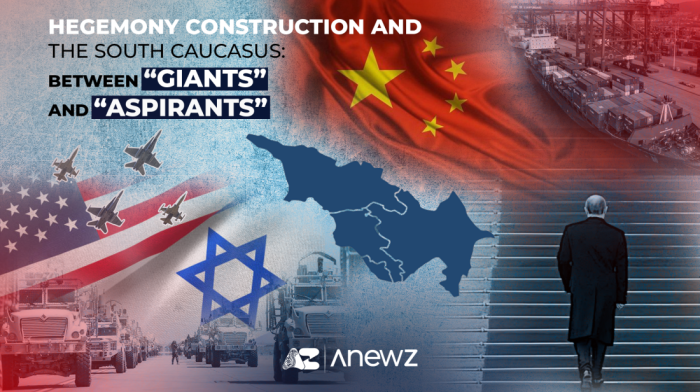
The South Caucasus—comprising Armenia, Azerbaijan, and Georgia—has long been a geopolitical crossroads where regional and global powers intersect.
You can download the AnewZ application from Play Store and the App Store.