As part of the Frontline episodes, this AnewZ documentary investigates Libya fifteen years after the revolution and the fall of Gaddafi — a state caught between militias, foreign powers, energy interests and diplomatic manoeuvring.
With on-the-ground reporting by Anastasiya Lavrina and directed by Bahruz Gadirov, the film reveals how Libya is trying to restore sovereignty, rebuild institutions and re-enter regional and international systems.
Through the lens of post-conflict reconstruction, Libya emerges as a paradox: a country with some of the largest oil reserves in Africa, but without a unified government controlling them; a nation where ministries are rebuilding ports and free zones, while armed groups still control streets and checkpoints; and a society whose economy could connect North Africa with Europe, yet remains divided by rival administrations in Tripoli and Benghazi.
Fifteen years after Gaddafi, Libya’s trajectory cannot be understood without examining the role of external powers. In 2019, Türkiye played a decisive role in altering the course of the war.
As General Khalifa Haftar advanced on Tripoli, Ankara intervened under a security cooperation agreement with the Government of National Unity. Turkish drones, advisers and coordinated support systems halted Haftar’s offensive and prevented the collapse of the capital, shifting the logic of the conflict from an expected military takeover to a contested political balance.
Today, Türkiye positions itself not merely as a wartime ally, but as a long-term partner in reconstruction, institutional capacity-building and economic development. Influence that once depended on force now operates through contracts, tenders and connectivity — linking Libya to Mediterranean trade routes and broader regional markets.
Libya’s reconstruction is not merely technical — it is geopolitical, with every actor seeking to convert wartime influence into post-war leverage.
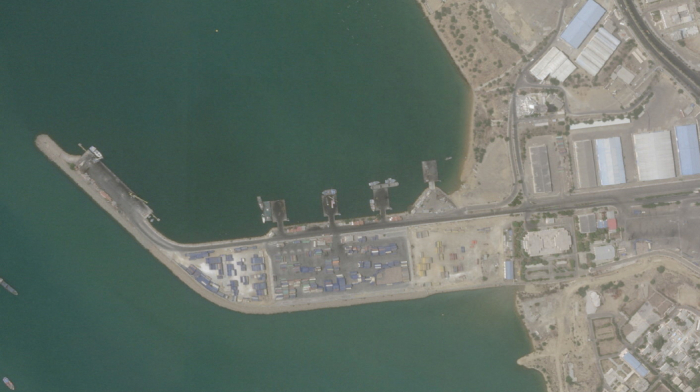
The team gains exclusive access to restricted areas, strategic facilities and key actors, exposing the hidden dynamics of a divided state attempting to regain control over its future. Inside the Misurata Free Zone and other economic hubs, officials push to revive trade corridors, modernise customs and attract investment — but their progress depends on whether Libya can reduce militia influence, stabilize institutions and navigate competing external agendas.
At a human level, the film captures a population tired of uncertainty, yet unwilling to surrender hope. Farmers, port workers, municipal officials and entrepreneurs describe a country where normal life is possible — but still fragile.
Their stories reveal the central question that defines Libya today: can reconstruction bind a divided state, or will fragmentation and foreign influence define Libya’s future?








What is your opinion on this topic?
Leave the first comment