The landscape was full of giants, but the “perfect snack” 150 million years ago came from the smallest steps on the ground.
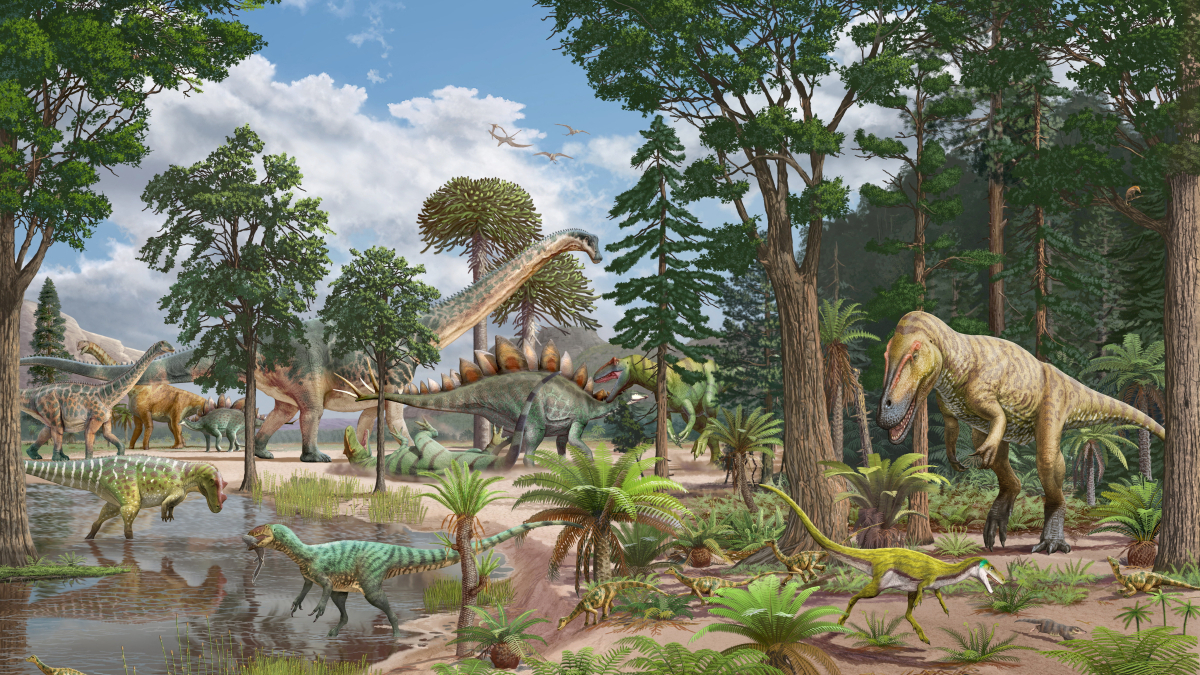
A reconstructed food web of the Dry Mesa Dinosaur Quarry in southwestern Colorado suggests that baby and juvenile sauropods formed the most frequent prey for meat-eating dinosaurs 150 million years ago.
Scientists combined chemical analysis of tooth enamel, feeding-related scratches, biomechanical models and fossilised stomach contents to map out who ate whom in the late Jurassic ecosystem.
Why young sauropods were so vulnerable
Sauropods dominated the landscape, with at least six species including Brachiosaurus, Diplodocus, Supersaurus, Apatosaurus, Camarasaurus and Haplocanthosaurus.
Adults could reach colossal sizes, with Brachiosaurus weighing roughly 60 tons and Diplodocus stretching to around 30 metres.
But their hatchlings emerged from eggs only 30 centimetres wide and were left to fend for themselves.
“These sauropods would have been high in abundance compared to larger adult sauropods and were relatively defenceless and slow-moving, hence easy to catch and a perfect snack,” said paleontologist Cassius Morrison of University College London.
Ecologist Steven Allain of Anglia Ruskin University Writtle noted that protection came only with maturity.
“Adult sauropods relied on their enormous size, long tails and herd behaviour for protection. Unfortunately, this took time, meaning that the smaller individuals hadn't reached that ‘too big to mess with’ stage yet.”
Formidable predators and safer targets
The top theropods included Torvosaurus, Allosaurus, Ceratosaurus, Marshosaurus and Stokesosaurus. Although large, they still faced severe risks if attempting to bring down an adult sauropod.
“Hunting a healthy adult Brachiosaurus would have been an extremely daunting, high-risk task,” Allain said. “One well-placed tail swing or a simple sideways step could seriously injure or kill a predator.”
Predators therefore focused on juveniles, sick or injured adults, or animals trapped in mud, and also scavenged carcasses left by droughts or floods.
A drought-preserved snapshot of life
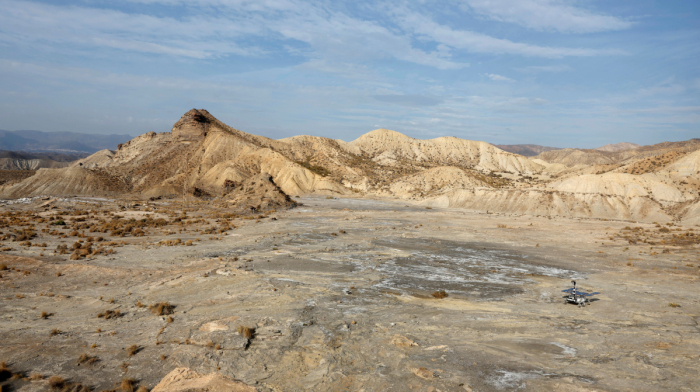
Dry Mesa’s fossil deposit, formed during a drought, preserved an unusually wide range of animals: sauropods, other herbivorous dinosaurs, five major theropods, pterosaurs, crocodyliforms, early mammals, reptiles, fish and insects.
“This deposit was made by a drought, so it’s one of the only places where you get everything, from small lizard-like animals to the largest dinosaurs,” Morrison said.
The surrounding landscape was dominated by open woodland populated by conifers, cycads, ferns and horsetails near rivers and shallow ponds that periodically dried out.
A richly interconnected food web
Researchers found more than 12,000 unique food chains within the modelled ecosystem, revealing a tightly linked network rather than a simple top-down predator hierarchy.
“Sauropods emerged from this analysis as central components of this network,” Allain said, underscoring how even the largest animals on Earth were deeply woven into the balance of Jurassic life.
















What is your opinion on this topic?
Leave the first comment