The International Astronautical Congress in Sydney brought together over 7,000 delegates from 99 countries, focusing on sustainable space activity, inclusive leadership, and the growing role of emerging nations in the global space ecosystem.
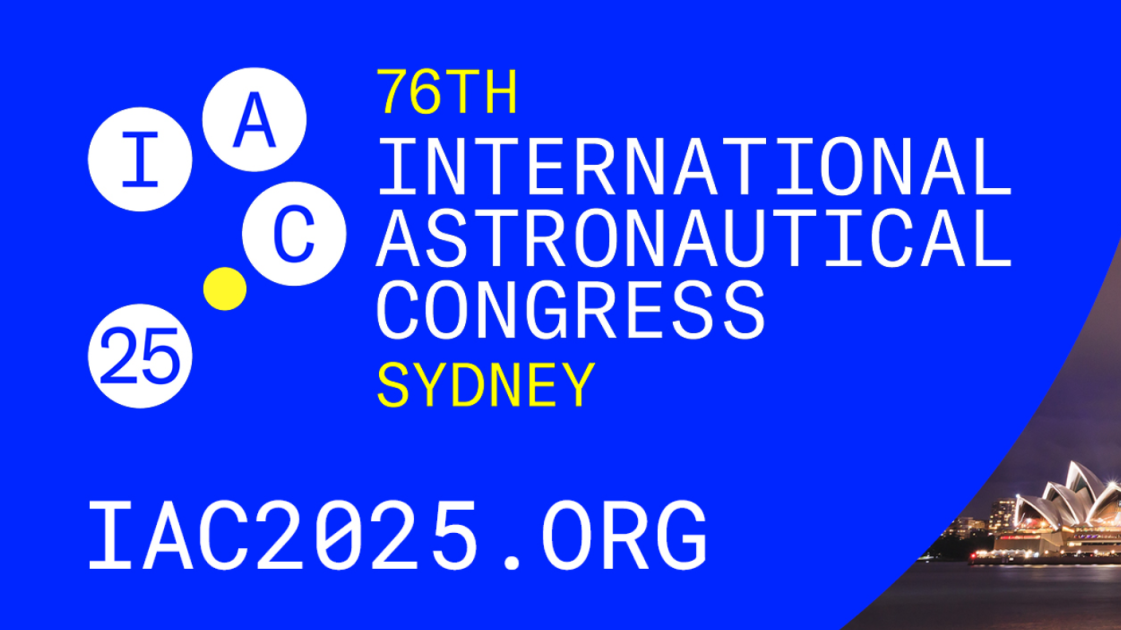
The 76th International Astronautical Congress (IAC), organised by the International Astronautical Federation (IAF), was held in Sydney, Australia, from 29 September to 3 October 2025. This year’s theme, “Sustainable Space: Resilient Earth,” centred on how space activities can support life on Earth, ensure long-term sustainability beyond it, and extend human presence into deep space.
The event drew more than 7,000 delegates from around 99 countries, alongside thousands of visitors participating in the public programme. The New South Wales government reported an economic impact of approximately AU$47 million, marking the congress as one of the most significant space-related gatherings ever held in the Southern Hemisphere.
Global commitments and cooperation
A key highlight of IAC 2025 was the reaffirmation of the Artemis Accords by NASA and its international partners. The accords, which establish principles for peaceful and cooperative lunar and Mars exploration, were presented as the foundation for developing clear “rules of the road” in space governance.
The meeting brought together leaders from major space agencies and private-sector representatives, reflecting how cooperation and competition increasingly shape the global space environment.
Emerging nations gain leadership roles
Leadership diversity was also a defining feature of this year’s congress. On the sidelines of the IAC, the IAF elected new vice presidents from emerging space nations, including Gaspard Twagirayezu of Rwanda and Yusuf Kiraç of Türkiye. Their appointments signal a broader inclusion of non-traditional space actors in global decision-making, reshaping the balance of influence in the space sector.
Focus on education and workforce development
Education and talent development took centre stage in Sydney. The newly launched Starmaster Space Education Centre unveiled a large micro-credential programme designed to train future space professionals and strengthen the global workforce pipeline. This initiative aligned closely with IAC 2025’s sustainability theme, underlining that the future of space relies not only on technology but also on people.
Why it matters
The prominence of sustainability at IAC 2025 reflects a wider transformation in the global space industry. The conversation is shifting from exploration alone to questions of economic sustainability, environmental responsibility, and public-private cooperation. Emerging nations’ growing participation in leadership positions indicates that global space governance is becoming more distributed and multipolar.
For Australia, hosting the IAC reinforced its growing role in the global space economy and presented tangible business opportunities for local companies and research institutions.
Political, economic, and scientific implications
Politically, the renewed emphasis on the Artemis Accords highlights how space exploration is increasingly intertwined with global geopolitics, blending cooperation with strategic competition involving powers such as China and Russia.
Economically, the AU$47 million visitor impact in New South Wales underscores how major space events generate direct financial value while stimulating broader industry partnerships.
Scientifically, the focus on workforce development and the rise of new spacefaring nations raises important questions about future governance: how resources will be managed, how standards will be set, and how innovation will be distributed.
What’s next
The next International Astronautical Congress will take place in Antalya, Türkiye, in October 2026. Observers will be watching how the Artemis Accords evolve, whether more countries join, and what new governance frameworks might emerge.
Attention will also turn to how the commercial initiatives announced in Sydney translate into concrete outcomes — from new launches and satellite services to international partnerships — and how emerging nations transform their growing presence into operational capacity through new agencies, regulations, and missions.













What is your opinion on this topic?
Leave the first comment