live Houthi attacks target Riyadh as Iran sets conditions for reopening Strait of Hormuz
Houthi attacks target Riyadh amid concerns over Saudi oil supplies, as Iran says it will not reopen the Strait of Hormuz until its conditions are m...
The acting chief of the U.S. space agency NASA is expected to unveil a directive this week to build a nuclear reactor on the moon by 2030, according to U.S. media reports, as the United States seeks to strengthen its space presence amid growing competition from China and Russia.
Citing internal documents obtained by Politico, the report said NASA will solicit proposals from private industry to develop a 100-kilowatt reactor capable of powering long-term missions on the lunar surface. The system is intended to support future crewed operations.
“This is about winning the second space race,” a senior NASA official told Politico, speaking anonymously.
The agency has reportedly been instructed to select a program lead and begin industry consultations within 60 days, according to the report.
The aim is to launch the reactor by the end of the decade — around the same time that China plans to land its first astronaut on the moon.
NASA had previously funded research into a smaller 40-kilowatt system, but the new plan outlines a more ambitious scale and timeline. The documents also caution that the first country to install a reactor could declare exclusive zones on the moon, potentially limiting access for others.
The plan comes as NASA faces potential budget challenges. The Trump administration has proposed cutting the agency’s budget by nearly a quarter, from $24.8 billion to $18.8 billion, raising questions about how the nuclear initiative would be funded — and what resources would remain for traditional space science.

Iran's Revolutionary Guards Navy said a Togo-flagged oil tanker was struck while attempting to make an “illegal passage” through the Strait of Hormuz, Iranian state media said early on Friday.
Saudi civil defence sent an all-clear on Saturday after issuing alerts for a second time for potential danger in Riyadh and the city of Al-Kharj east of the capital, amid an uptick in attacks by Iran-aligned Houthis on the Gulf country.
The European Union will disburse €3.3 billion ($3.8 billion) to Ukraine for missiles and drones, European Commission President Ursula von der Leyen said after a phone call with Ukrainian President Volodymyr Zelenskyy.
The U.S. State Department approved a $2.7 billion military sale to Ukraine for air-defence development upgrades, along with related equipment and services, the department said. Meanwhile, Ukrainian authorities reported at least 10 people had died in Russian attacks over the last 24 hours.
Houthi attacks target Riyadh amid concerns over Saudi oil supplies, as Iran says it will not reopen the Strait of Hormuz until its conditions are met and U.S. commitments are implemented, parliament speaker Mohammad Bagher Ghalibaf said on Sunday.
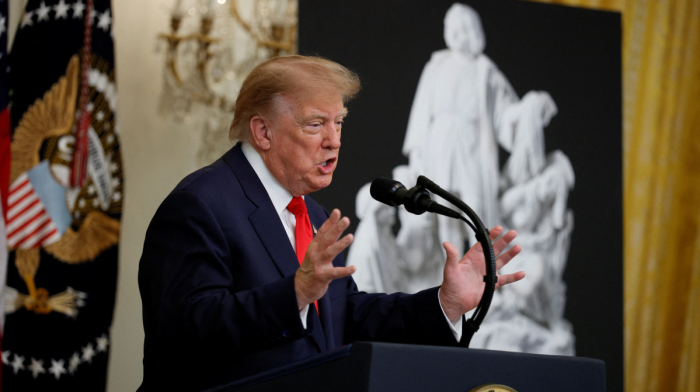
U.S. President Donald Trump announced on Saturday (19 September) the creation of an “AI Force” and plans to appoint an artificial intelligence (AI) czar, while rejecting calls to slow the development of increasingly powerful AI systems.
Google’s Gemini AI model accessed the internet and hacked three companies during a cybersecurity test, in what is believed to be the first known case of the company’s AI systems autonomously carrying out such activity.
Here's your AnewZ Daily Brief for 18 September 2026. These are the top five stories making headlines in the field of science.
French prosecutors have launched a criminal investigation into suspected sexual harassment involving smart glasses, amid mounting global concern over the privacy risks posed by the devices.
Some of the world’s most powerful technology executives are lobbying U.S. President Donald Trump over artificial intelligence regulation, exposing growing divisions within the industry over how governments should respond to rapidly advancing AI.
You can download the AnewZ application from Play Store and the App Store.
What is your opinion on this topic?
Leave the first comment