China tightens Communist Party oversight of tech firms and digital finance
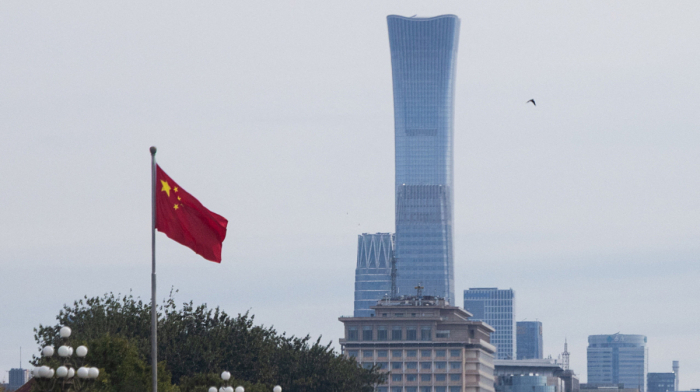
China’s ruling Communist Party is stepping up oversight of technology firms, internet platforms and digital finance in a sweeping drive to ta...
Meta has announced it will halt political, electoral, and social issue ads in the European Union from October due to the region's new Transparency and Targeting of Political Advertising regulation (TTPA).
The regulation, aimed at increasing oversight and preventing manipulation in political advertising, was enacted in April 2024, with major provisions coming into effect on 10 October.
“The TTPA introduces significant, additional obligations to our processes and systems that create an untenable level of complexity and legal uncertainty for advertisers and platforms operating in the EU,” Meta said.
Although Meta has maintained political ad transparency tools since 2018, it says the EU’s new rules go far beyond what is feasible, especially in terms of ad targeting and compliance systems.
The company warned that the regulation could reduce the relevance of ads for users and restrict personalized advertising options. It also expressed concern about reduced market competition and user choice.
Google previously made a similar move, pausing political ads in anticipation of the regulation. Meta emphasized that while political advertising will be restricted, users can still engage in organic political discussions.
Earlier this month, Meta also opted out of the EU’s Artificial Intelligence (AI) code of practice, which supports upcoming AI legislation due to take effect in August.
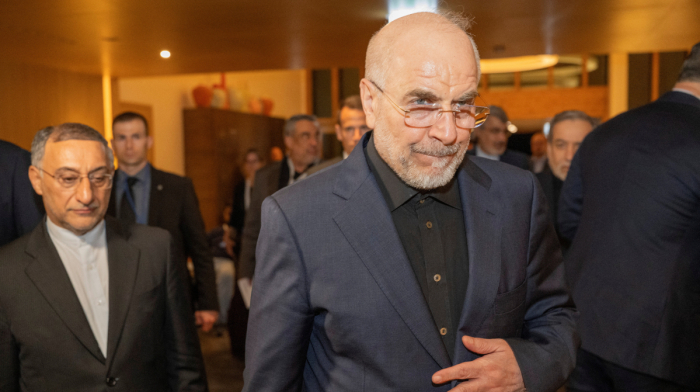
Iranian parliament speaker Mohammad Bagher Ghalibaf says the U.S. must act to prevent war after Tehran sent a “strong and rational response” to Washington. Meanwhile, U.S. forces have reportedly carried out limited strikes against Iranian targets, including Qeshm Island,
Hundreds of millions of U.S. citizens head to the polls on 3 November to elect the House of Representatives and Senate. How they vote could influence the direction of Donald Trump’s remaining 26 months in office and the outcomes of the Ukraine and Iran conflicts.
A six-day humanitarian ceasefire in the Russian-held Ukrainian town of Oleshky ended on Sunday, 1 November, after facilitating aid deliveries and civilian evacuations.
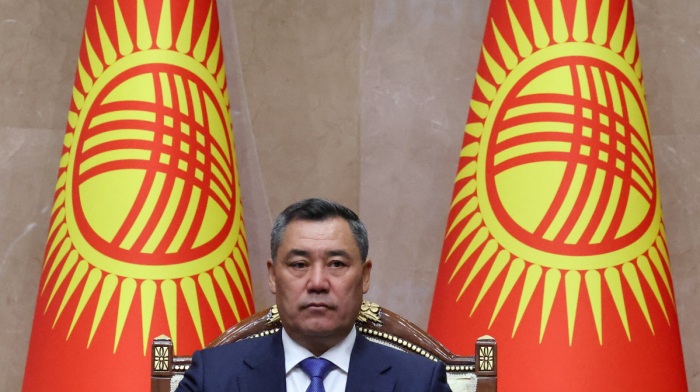
Kyrgyzstan has emerged as Central Asia’s fastest-growing economy, fuelled by a construction boom, public investment and trade linked to Russia. But with Western sanctions tightening, can the country sustain its rapid growth?
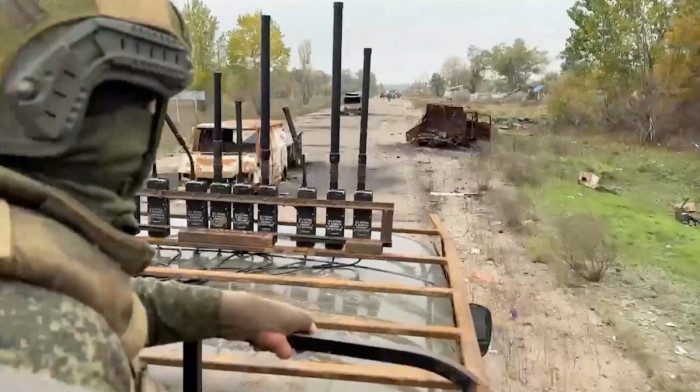
Russia airstrikes on a school used as a humanitarian aid distribution point in southeastern Ukraine's Zaporizhzhia region killed at least 26 people, including rescue workers and police officers, Ukrainian officials said. Another 27 people were reported missing.
Saudi Aramco's acquisition of a 49 per cent stake in artificial intelligence (AI) company HUMAIN is putting a spotlight on a wider investment question: why are some of the world's biggest energy companies moving deeper into AI, and what do they expect to gain?
A Chinese-made AI chip has matched Nvidia’s H200 in tests conducted by its developer, marking a potential breakthrough in China’s efforts to reduce its dependence on foreign technology.
Two of the United States' largest technology companies reported robust revenue growth in their latest quarterly results, underscoring the continued impact of artificial intelligence and cloud computing on the sector.
NVIDIA CEO Jensen Huang has praised Kazakhstan’s AI ambitions, highlighting its potential to become a global hub for Physical AI, launch startups and transform industries.
Türkiye is preparing to sue Meta, owner of Facebook and Instagram, over age-inappropriate content on social media, Turkish Education Minister Yusuf Tekin has said.
You can download the AnewZ application from Play Store and the App Store.
What is your opinion on this topic?
Leave the first comment