In a bold bid to restore fiscal balance amid a widening budget deficit, Hong Kong’s government has unveiled a sweeping plan that includes cutting 10,000 civil service jobs and launching a major push into artificial intelligence.
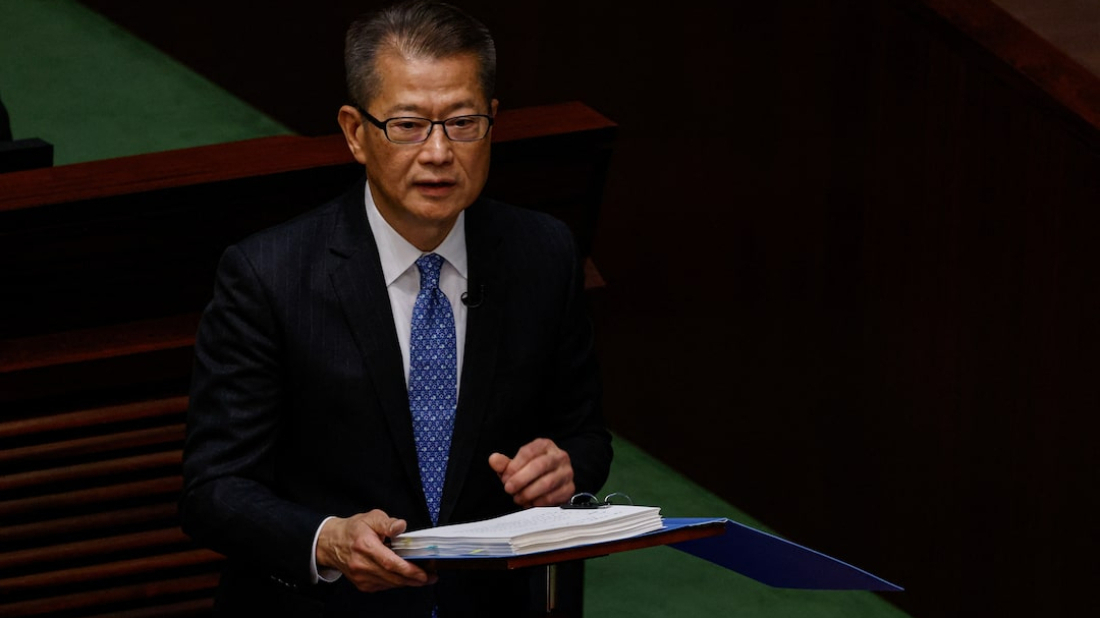
The measures were detailed by Financial Secretary Paul Chan in the city’s annual budget announcement.
Chan stated that the job cuts - amounting to a reduction of 2% of the civil service each year for the next two years - will be implemented by April 2027. In tandem with freezing public sector salaries this year, these steps are designed to achieve a cumulative 7% reduction in public expenditure by the fiscal year ending March 31, 2028. “It gives us a clear pathway towards the goal of restoring fiscal balance in the operating account, in a planned and progressive manner,” Chan said.
The decision comes on the heels of a sharp decline in revenue from land sales, which has left the deficit at HK$87.2 billion—nearly double the previously forecast HK$48.1 billion. Traditionally, land sales have contributed more than 20% to the government’s coffers, but that figure has slipped to around 5% in recent years.
In a parallel effort to diversify its economic base and reduce reliance on traditional revenue sources, Hong Kong is set to make a significant foray into artificial intelligence. Chan announced an allocation of HK$1 billion for the creation of an AI research and development institute, aligning with Beijing’s broader push toward self-reliance in high technology sectors such as robotics and AI.
Some market analysts have welcomed these moves. The Hang Seng Index surged 3%, with both the property and tech sub-indices rising over 3% and 4%, respectively, as investors reacted positively to the government’s dual strategy of fiscal consolidation and technological innovation.
However, observers remain cautious. William Chan, a partner at Grant Thornton Hong Kong, urged the government to undertake a comprehensive tax base expansion study to address deeper structural challenges in Hong Kong’s strained finances. “While the city's fiscal reserves provide a buffer, the escalating deficit demands immediate and strategic actions,” he said.
Hong Kong’s small, open economy faces significant headwinds from global economic uncertainty, geopolitical tensions, and a weak property market. External pressures, including China’s economic slowdown and heightened trade tensions between China and the U.S. over tariffs, continue to impact the city. The government has also announced that it will not put any commercial sites on sale in the coming year due to high office vacancy rates and ample future supply, and it may consider rezoning some commercial sites to residential areas.
With fiscal reserves now at HK$647.3 billion - down from HK$734.6 billion at the end of March 2024 - the government’s measures mark a critical attempt to lay a sustainable fiscal foundation for future development, while leveraging new technologies to drive economic growth in an increasingly uncertain international environment.






















What is your opinion on this topic?
Leave the first comment