Oil prices hit four year high: Latest news on the Middle East conflict on 9 March
Global oil prices reached a four year high on Monday (9 March), surpassing $...
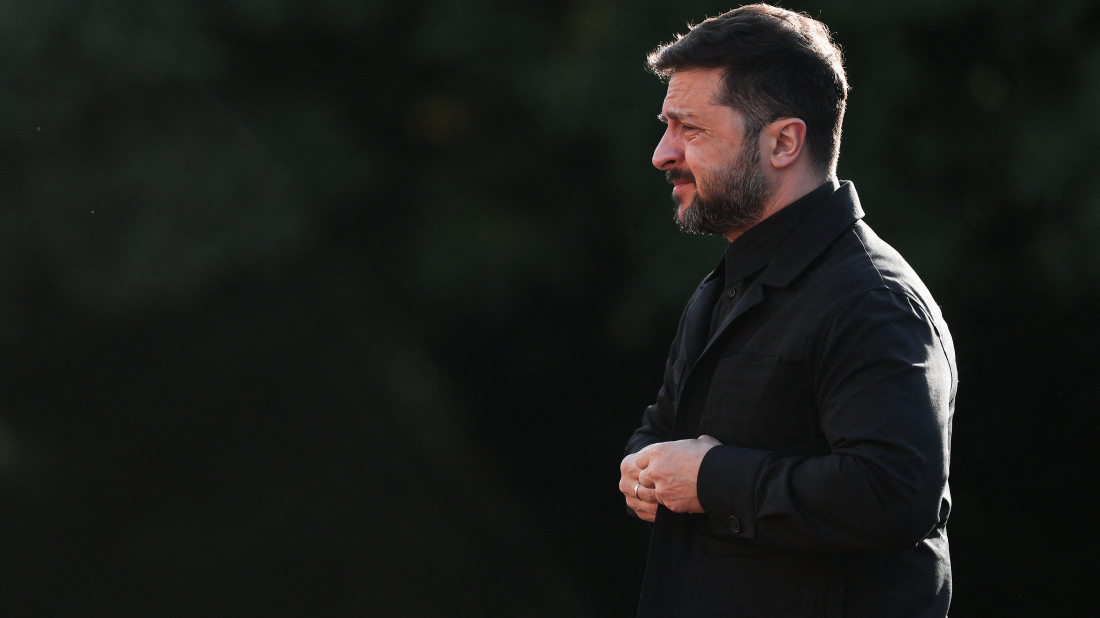
Ukrainian President Volodymyr Zelenskyy on Wednesday signed an agreement with the Council of Europe to establish a special tribunal to address the "crime of aggression" related to Russia’s full-scale invasion of Ukraine in February 2022.
The accord, signed with Council of Europe Secretary General Alain Berset in Strasbourg, sets out plans to create a legal body tasked with examining the responsibility of senior Russian officials for launching the war.
Speaking after the signing in Strasbourg with Council of Europe Secretary General Alain Berset, Zelenskyy said: “Aggression must lead to punishment. We must make it happen together, all of Europe.”
He called the agreement a “real chance to bring justice” and stressed the need for accountability at the highest level.
“Every war criminal must know there will be justice, and that includes Russia,” added the Ukrainian President.
The proposed tribunal, the first of its kind created under the Council of Europe, is intended to fill a legal gap left by the International Criminal Court (ICC), which does not have jurisdiction to try the crime of aggression. While the ICC has issued arrest warrants for Russian President Vladimir Putin and several senior commanders, it cannot prosecute decisions to launch war.
Berset said the next step would be to expand the agreement to include more countries and secure broad international backing. The court’s location has yet to be determined, but it could begin work in 2026.
Russia was expelled from the Council of Europe in 2022 following its full-scale invasion of Ukraine. The 46-member body includes non-EU states such as Türkiye, the UK, and Ukraine.

Mojtaba Khamenei, son of the late Ayatollah Ali Khamenei, is a hardline cleric with strong backing from the Islamic Revolutionary Guard Corps. His rise signals continuity in Tehran's anti-Western policies.
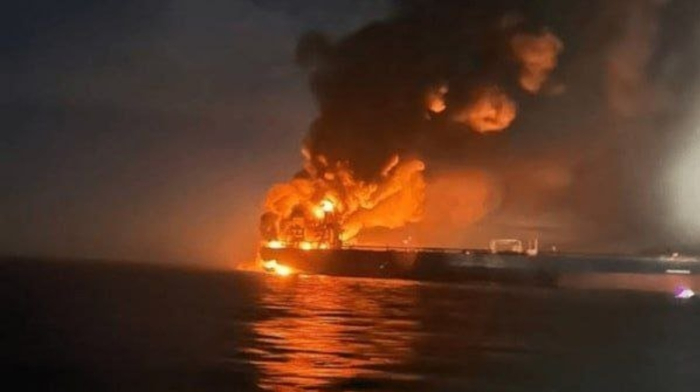
Global oil prices surpassed $119 a barrel on Monday (9 March, 2026), an almost four year high, as the Middle East conflict rumbled on.
Trump says the United States "don’t need people that join wars after we’ve already won," targeting his criticism at UK Prime Minister Keir Starmer. Israel continues to fire missles at strategic sites in Iran and Gulf regions report more strikes from Iran.
China has urged Afghanistan and Pakistan to resolve their dispute through dialogue after Chinese envoy Yue Xiaoyong met Afghan Foreign Minister Amir Khan Muttaqi, as fighting between the two neighbours entered its eleventh day.
Iran named Mojtaba Khamenei to succeed his father Ali Khamenei as supreme leader on Monday (9 March), signaling that hardliners remain firmly in charge, as the week-old U.S.-Israeli war with Iran pushed oil above $100 a barrel.
U.S. President Donald Trump and UK Prime Minister Keir Starmer spoke by phone on Sunday as tensions between Washington and Westminster deepened over the conflict involving Iran. The call came less than a day after Trump criticised Britain’s response to U.S. strikes on Iranian targets.
Norwegian police are searching for a suspect after an explosion at the U.S. embassy in Oslo on 8 March caused minor damage but no injuries, in what authorities say may have been a deliberate attack linked to the Middle East crisis.
An explosion damaged a synagogue in the Belgian city of Liège early on Monday (9 March) in what authorities said was an antisemitic attack that caused damage but no injuries.
The Group of Seven (G7) finance ministers will meet on Monday to discuss a global rise in oil prices and a joint release of oil from emergency reserves coordinated by the International Energy Agency, the Financial Times reports.
Start your day informed with AnewZ Morning Brief. Here are the top news stories for the 9th of March, covering the latest developments you need to know.
You can download the AnewZ application from Play Store and the App Store.
What is your opinion on this topic?
Leave the first comment