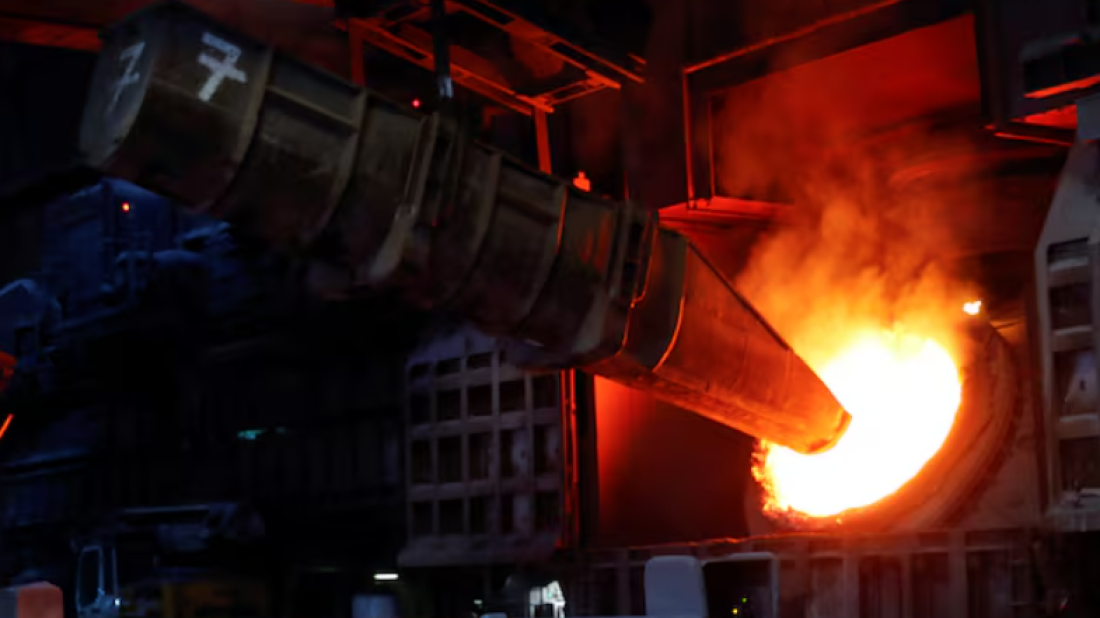
European metal producers are urging the EU to restrict scrap exports, warning that rising US demand driven by Trump’s 50% tariffs threatens Europe’s green transition and efforts to cut carbon emissions.
The bloc’s aluminium and steel industries are lobbying for swift intervention, including the reintroduction of COVID-era export authorisation measures or new export duties, to counter a sharp rise in scrap exports that they say is inflating prices and creating shortages.
“Scrap is a big issue,” said Axel Eggert, Director General of Eurofer, the European steel industry association. “We are asking for an export duty on scrap,” he added, noting that most non-EU countries already impose similar restrictions to protect domestic supply.
Recycled scrap is central to the EU’s decarbonisation strategy. According to the European Commission, recycling can cut energy use by up to 95% for aluminium and 80% for steel compared to primary production. But with the United States hoarding its own scrap following new tariffs, Europe is increasingly becoming the world’s primary exporter.
EU scrap exports to the U.S. nearly tripled in the first quarter of 2025 to 6,028 metric tonnes. Total aluminium scrap exports from the bloc reached 345,000 tonnes in that period, according to industry group European Aluminium, which includes firms like Alcoa, Befesa, and AMAG Austria.
In 2023, a record 19 million tonnes of ferrous scrap left the EU, mainly for Turkey, India, Egypt, and Pakistan. The trend has accelerated as U.S. buyers take advantage of a $750-per-tonne arbitrage window created by the 50% import tariff, undermining the price competitiveness of EU producers.
“If that arbitrage window stays, we will see massive damage to companies that invested the most into the Green Deal,” said Rob van Gils, CEO of Austria’s Hammerer Aluminium Industries. He warned that some companies may be forced to buy high-emission primary metal from countries like India if scrap prices rise too high in Europe.
While metal producers argue that retaining more scrap is vital for hitting EU emissions targets, recycling groups oppose the move. EuRIC, representing the recycling sector, insists that there is no shortage of scrap and that current EU demand only uses about 80% of available supply.
European Aluminium head Paul Voss called for immediate action ahead of a possible trade agreement with the Trump administration, noting that such deals may not be finalised before Trump’s self-imposed 9 July deadline.
“Extraordinary times call for extraordinary action,” Voss said. “We cannot afford to wait.”
The European Commission said it is reviewing the situation and will decide in the third quarter of 2025 whether trade measures are needed for steel, aluminium, and copper.
Meanwhile, industry leaders continue to warn that inaction could jeopardise the EU’s entire carbon-neutrality agenda.
“The CO2 footprint of the aluminium industry will be down the toilet,” van Gils said bluntly.


















What is your opinion on this topic?
Leave the first comment