EU sanctions and new U.S. tariffs increase pressure on Kazakhstan and Kyrgyzstan
Kazakhstan and Kyrgyzstan are facing renewed Western scrutiny after the EU expanded sanctions targeting Russia's supply chains and the U.S. introduced...
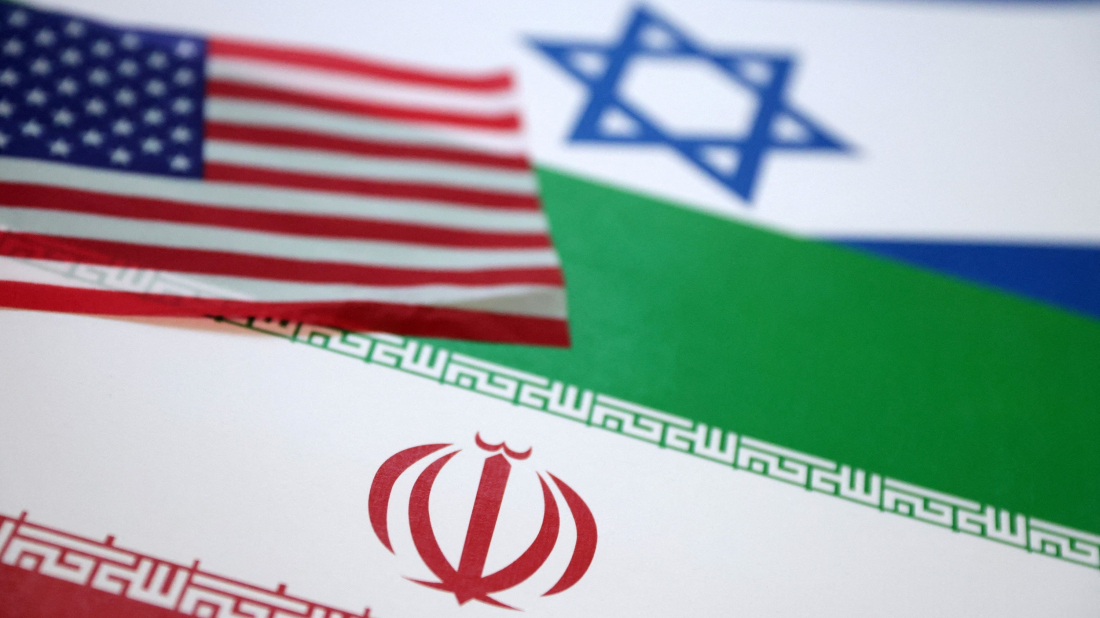
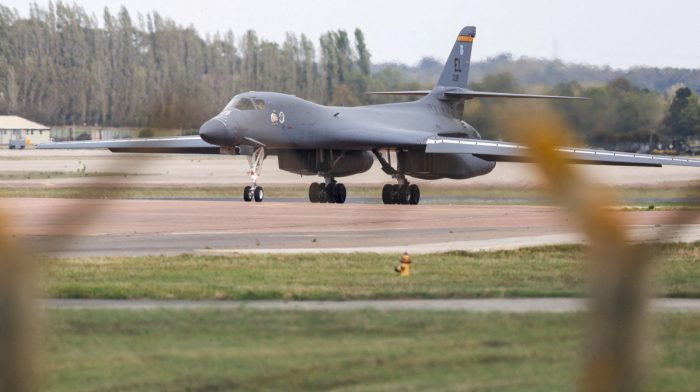
The U.S. military has repositioned aircraft and naval vessels from key Middle East installations to safeguard personnel and assets amid rising tensions with Iran, two U.S. officials said on Wednesday.
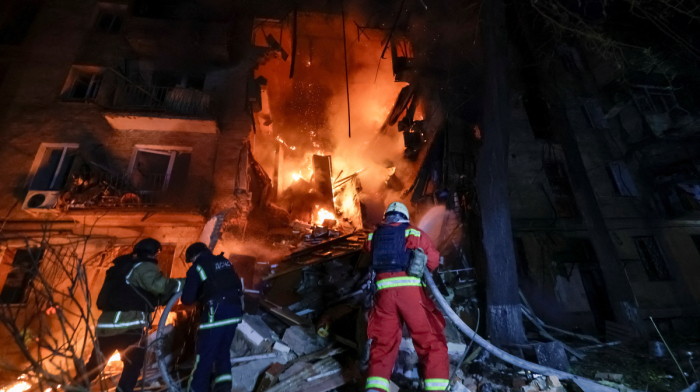
The movements come as President Donald Trump continues to deliberate on whether to support Israel’s air campaign targeting Iran’s nuclear and missile infrastructure. The airstrikes, now in their sixth day, have triggered civilian evacuations in Tehran and increased concerns over regional stability.
In a related development, the U.S. Embassy in Qatar has temporarily restricted access to Al Udeid Air Base, the largest American military facility in the region. The base, located near Doha, plays a central role in U.S. operations across the Middle East.
The embassy cited “ongoing regional hostilities” and advised U.S. citizens and personnel in Qatar to maintain heightened vigilance “out of an abundance of caution.”
Aircraft and Ships Moved
The two U.S. officials, speaking anonymously to Reuters, gave an update on recent movements.
"Aircraft not housed in reinforced shelters were relocated from Al Udeid Air Base. Naval vessels were pulled from a port in Bahrain, home to the U.S. Navy’s 5th Fleet. It is not an uncommon practice,” one official said. “Force protection is the priority.”
Reuters had earlier reported the redeployment of tanker aircraft to Europe and the movement of additional fighter jets to the region, including the repositioning of an aircraft carrier from the Indo-Pacific toward the Middle East.
Iran Issues Warning
Iran has communicated to Washington via diplomatic channels that any direct U.S. involvement in the Israeli offensive would trigger a strong Iranian response, according to Tehran’s ambassador to the UN in Geneva.
While Israel maintains that Iran was on the brink of acquiring a nuclear weapon—prompting its strikes—Tehran continues to deny that it is pursuing nuclear arms.
As the regional conflict deepens, the U.S. military is adjusting its posture to deter threats and minimize vulnerabilities, while President Trump weighs a decision that could significantly escalate American involvement in the Middle East.

Start your day informed with AnewZ Morning Brief. Here are the top news stories for the 23rd of July, covering the latest developments you need to know.
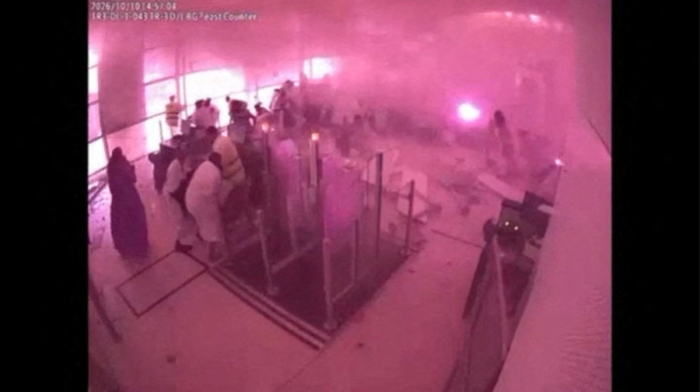
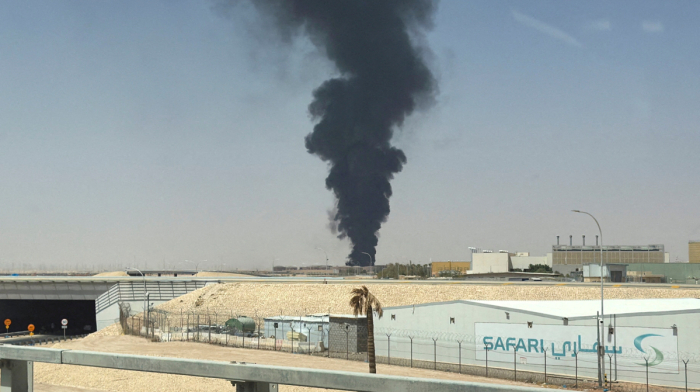
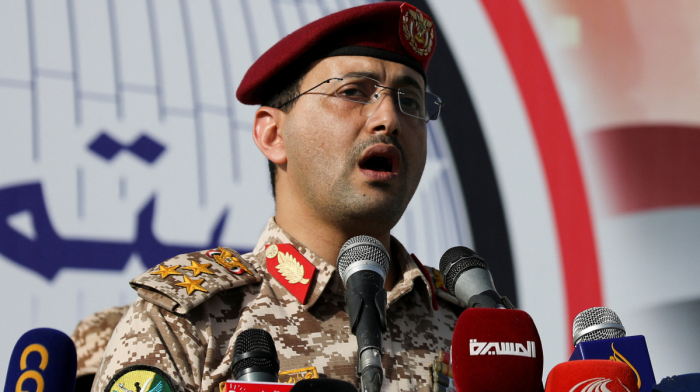
U.S. strikes on Iran entered a 12th consecutive night, while Yemen's Houthis said they attacked two Saudi oil tankers in the Red Sea, urging President Donald Trump to warn Tehran it would be held responsible for any future Houthi attacks.
The U.S. military said it completed a fresh wave of strikes on Iran late on Thursday, marking the 13th consecutive night of American attacks. The latest operation lasted more than two hours, according to U.S. Central Command.
Start your day informed with AnewZ Morning Brief. Here are the top news stories for the 24th July, covering the latest developments you need to know.
Aleksandar Vučić's visit to Kyiv on 15 July appeared to send a geopolitical signal. But the significance of the trip lies less in the journey itself than in the limits Serbia carefully observed.
Kazakhstan and Kyrgyzstan are facing renewed Western scrutiny after the EU expanded sanctions targeting Russia's supply chains and the U.S. introduced new tariffs affecting trade with Central Asia.
A fast-moving wildfire has forced more than 10,000 people to evacuate homes and camping sites near France's Atlantic coast as extreme heat and worsening drought continue to fuel wildfires across Europe.
Fresh off attracting $4.3 billion in foreign investment and loans during the first half of 2026, Tashkent is using the Global Business Services Forum (GBSF) to showcase Uzbekistan's growing appeal as a destination for international investment in technology, outsourcing and artificial intelligence.
UK Prime Minister Andy Burnham has begun his first week working from No 10 North in Manchester, promising to shift power away from London, strengthen regional decision-making and drive economic growth across the country.
The European Union has adopted its 21st sanctions package against Russia, imposing its most extensive economic penalties in four years. The measures expand restrictions across the financial, military, cyber and energy sectors while introducing new enforcement tools and broader export controls.
You can download the AnewZ application from Play Store and the App Store.
What is your opinion on this topic?
Leave the first comment