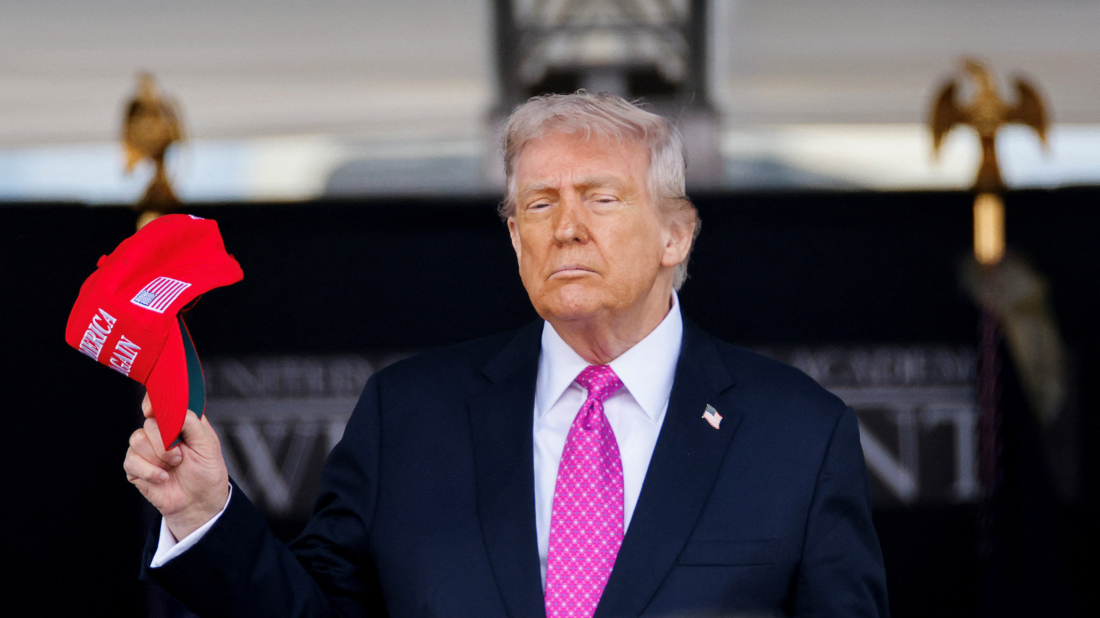
The potential for U.S. military involvement in a conflict with Iran is revealing a rare rift within President Donald Trump's core political base, the "Make America Great Again" (MAGA) coalition.
Some of Trump's most prominent allies are urging him to resist intervention, warning that a strike could fracture domestic unity and reignite memories of costly wars in the Middle East.
Key voices from the MAGA movement, including former White House strategist Steve Bannon, have expressed deep reservations about the U.S. supporting Israel’s efforts to destroy Iran’s nuclear infrastructure without a diplomatic resolution in place.
"We can’t do this again," Bannon said during a press event in Washington. "We’ll tear the country apart. We can’t have another Iraq."
The current tension has emerged as President Trump balances his long-standing non-interventionist stance with calls to stand firmly by Israel. Reports indicate that the U.S. is weighing the use of powerful munitions such as 30,000-pound "bunker buster" bombs to assist in targeting underground facilities in Iran.
While Trump downplayed the internal dissent, stating that "my supporters are more in love with me today," he reinforced his position: "I only want one thing: Iran cannot have a nuclear weapon."
Iran denies having the capability of creating a nuclear weapon.
Despite this, the divergence within the conservative camp is hard to ignore. Trump’s former legislative director, Marc Short, described the situation as a "pretty large rift" but predicted that Trump’s personal influence would keep most supporters loyal, regardless of policy differences.
From Wariness to Warning: MAGA’s Isolationist Wing Pushes Back
High-profile conservatives, including former Fox News host Tucker Carlson and Representative Marjorie Taylor Greene have amplified anti-interventionist sentiments. Greene, in a recent post, stated, "Anyone slobbering for the U.S. to become fully involved in the Israel/Iran war is not America First/MAGA. We are sick and tired of foreign wars."
Yet others in the Republican Party remain supportive of a strong stance against Tehran. Senator Lindsey Graham urged that the U.S. help Israel "finish the job," citing Iran as an existential threat.
The debate escalated further when Carlson confronted Senator Ted Cruz during an interview, accusing him of pushing for regime change in Iran. Their heated exchange went viral, symbolising the broader split within conservative ranks.
Vice President JD Vance attempted to reassure voters, stating that while public concern about foreign policy is understandable, "the president has earned some trust on this issue."
As President Trump weighs his options, a final decision has yet to be made. For now, the MAGA coalition—credited with propelling him to the presidency twice—appears to be wrestling with one of its most significant internal policy disagreements yet.











What is your opinion on this topic?
Leave the first comment