Tensions between Iran and Israel reached a critical point as both nations clashed at an emergency UN Security Council meeting, following a sweeping Israeli strike on Iranian targets that Tehran condemned as state terrorism and a deliberate attempt to sabotage nuclear diplomacy.
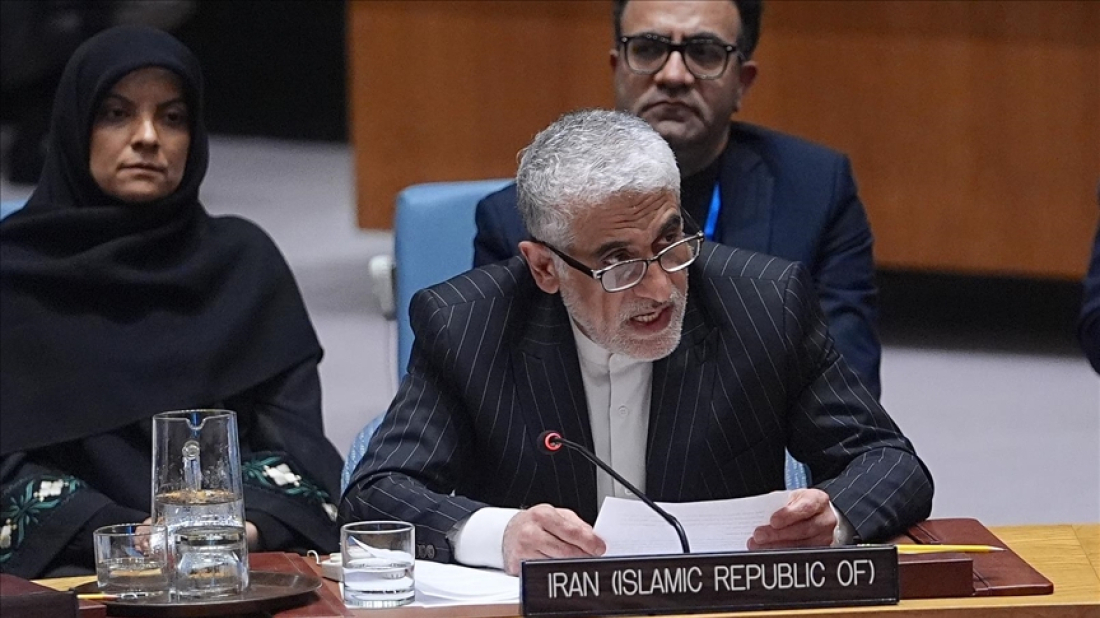
Iran and Israel traded accusations of jeopardising global peace during an emergency session of the United Nations Security Council on Friday, convened to address Israel’s recent strikes on Iranian targets.
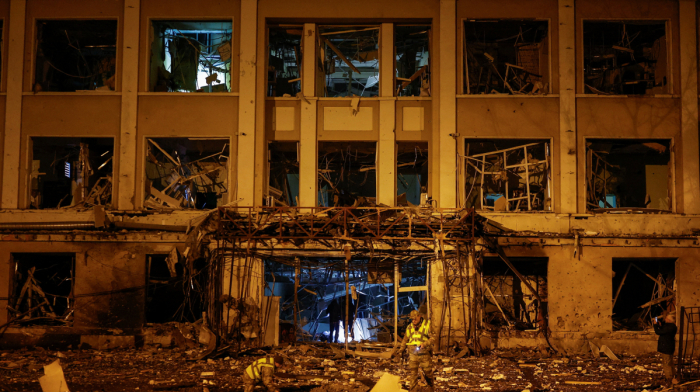
Earlier that day, Israel launched what it described as a “preemptive strike,” targeting nuclear facilities, senior military officials, and research personnel across several Iranian cities. The attacks marked a sharp escalation in the long-standing hostilities between the two nations.
During the session, Iran’s Permanent Representative to the UN, Amir Saeid Iravani, denounced the strikes as acts of state terrorism and blatant violations of international law and the UN Charter.
The Israeli operation took place just two days ahead of a planned sixth round of nuclear talks between Iran and the United States, scheduled for Sunday in Muscat, Oman. Tehran has since cancelled its participation, citing the attacks as the reason.
Iravani claimed the strikes were a deliberate attempt by Israel to derail the negotiations and provoke a broader regional conflict.
“These calculated and systematic killings are not only unlawful but deeply inhumane,” he stated. “They amount to acts of state terrorism and are clear violations of international norms.”
He further accused the United States of bearing responsibility for enabling Israel’s actions.
“Those who support this regime—foremost among them the United States—must acknowledge their complicity. By aiding these crimes, they share full accountability for the consequences. Supporting Israel in this context is tantamount to endorsing war crimes, crimes against humanity, and the destabilisation of global peace,” Iravani declared.
Describing the attacks as a de facto declaration of war, Iravani reiterated Iran’s right to self-defence under the UN Charter, stating that Iran would respond in a manner, time, and place of its own choosing.
On the other side, Israeli envoy Danny Danon accused Iran of actively pursuing nuclear weapons capabilities. He argued that Israel was compelled to act due to the failure of international bodies, including the International Atomic Energy Agency, to effectively restrain Tehran’s ambitions.
“This operation was necessary—because the alternative was unacceptable,” Danon said. “How long was the world expecting us to wait? Until they had completed the bomb?”
He added that Iran has long threatened Israel’s existence, and Israel would not remain passive in the face of such threats.
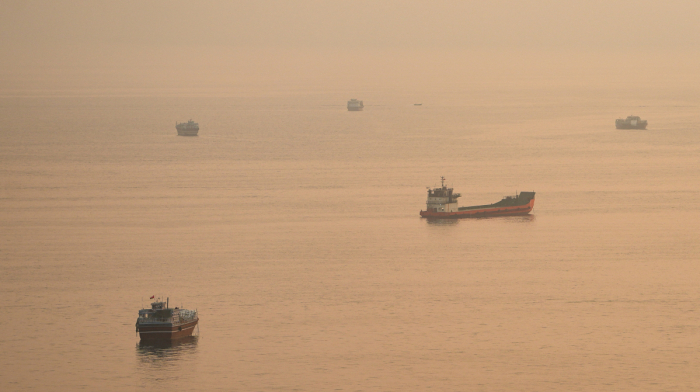
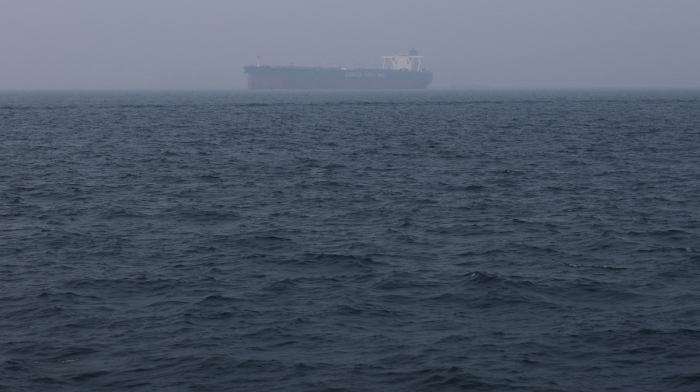
An unknown projectile struck a tanker 68 nautical miles northeast of Saudi Arabia on Friday according to a report released by the United Kingdom Maritime Trade Operations (UKMTO) on Saturday.
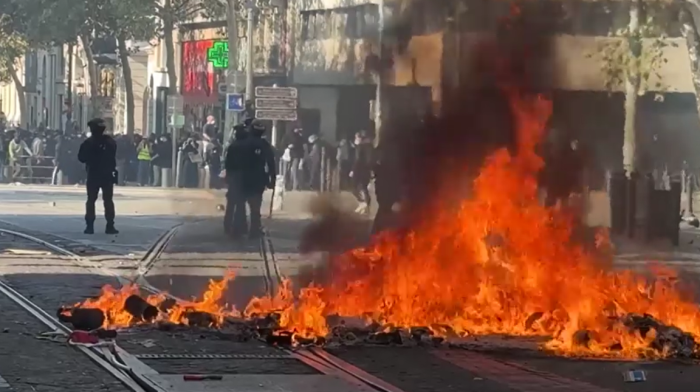
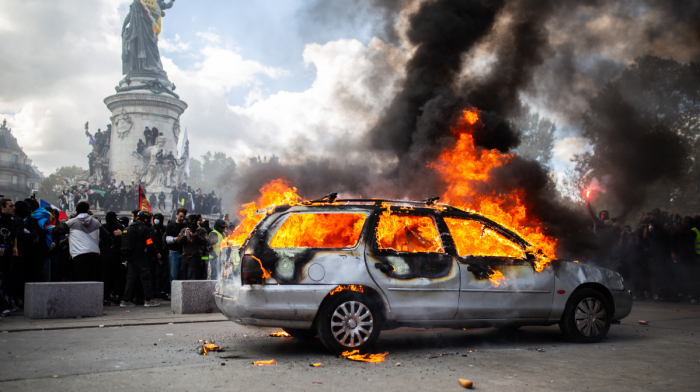
What started out as planned protests against the cost of living, declining public services and education funding in France, quickly devolved into violent riots across the country on Saturday.
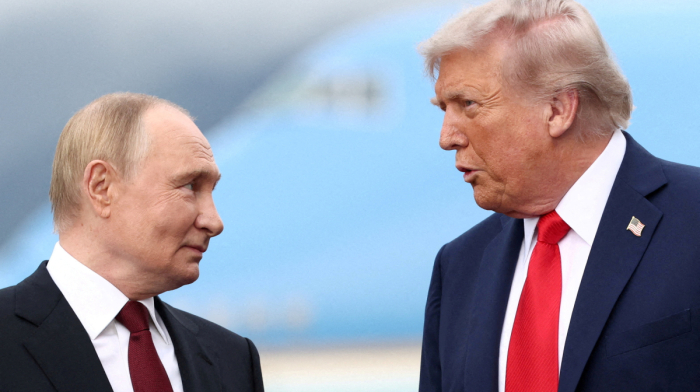
The day after waiving sanctions and tariffs related to Russian exports, U.S. President Donald Trump said on Saturday he has yet to announce a final decision on the matter as Secretary of State Marco Rubio said officials want more time to evaluate the situation.
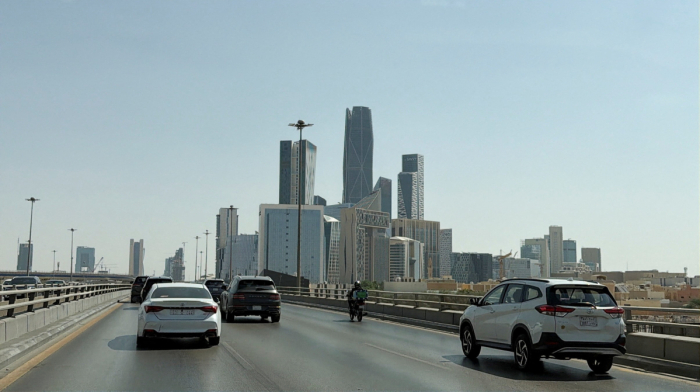
A Saudi AH-6i helicopter crashed in the Najran region of Saudi Arabia due to a technical malfunction, killing its two crew members, the Saudi-led coalition's spokesman Brigadier General Turki al-Maliki said in a statement on Sunday.
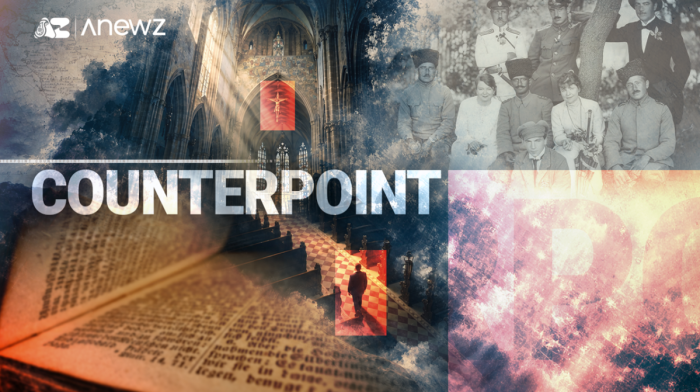
The AnewZ documentary “Counterpoint: Two Centuries of German-Azerbaijani Shared History” investigates the story of German settlers who arrived on Azerbaijani lands around two centuries ago and established communities that left a lasting mark on the country’s cultural heritage.
U.S. President Donald Trump has criticised Ukrainian President Volodymyr Zelenskyy for continuing to target Russia's energy infrastructure, while Russian strikes on Kyiv overnight killed at least one person and damaged a metro station.
French President Emmanuel Macron addressed the nation on Sunday, condemning the violence, looting and vandalism that erupted during cost-of-living protests on Saturday. He ordered a review of police preparedness and called for urgent talks to address the growing social unrest.
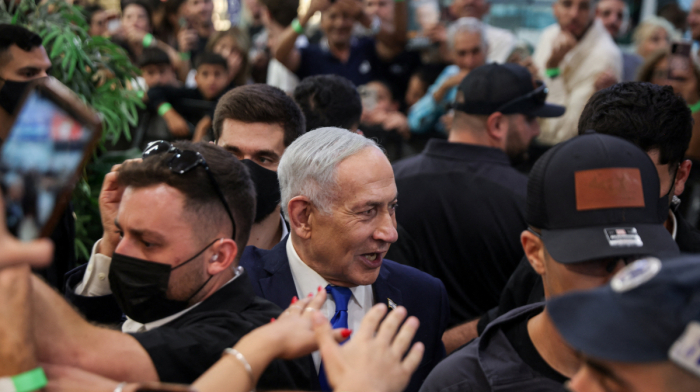
U.S. President Donald Trump has endorsed Israeli Prime Minister Benjamin Netanyahu ahead of the country’s parliamentary election on 27 October, praising him as a strong leader and a partner in the war with Iran.
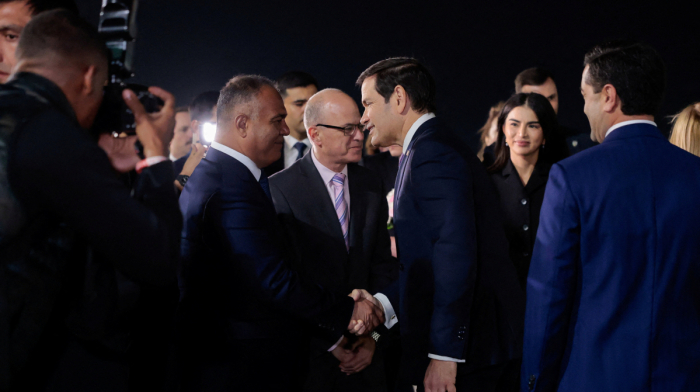
U.S. Secretary of State Marco Rubio arrived in Samarkand, Uzbekistan, on Sunday for talks with Central Asian officials, as the Trump administration seeks to strengthen ties with a resource-rich region bordering China, Russia and Iran.
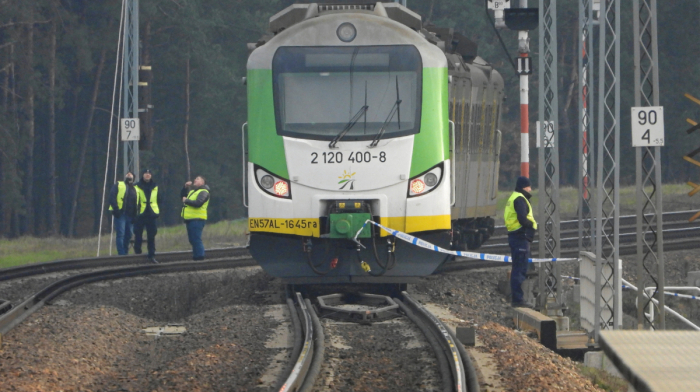
Poland plans to give railway guards powers to neutralise drones threatening rail infrastructure, including in some cases with firearms, under draft legislation published by the government on Friday.
Download the AnewZ app
You can download the AnewZ application from Play Store and the App Store.










What is your opinion on this topic?
Leave the first comment