Bamako's La Tour d'Afrique is a powerful monument to a united and independent Africa. A symbol of pan-African solidarity and hope, the tower houses a museum celebrating the continent's heritage and its peoples' resilience.
Standing tall in the bustling capital of Bamako, the La Tour d'Afrique, or Africa Tower, serves as a powerful monument to the ideals of a united and independent Africa. More than just a landmark, this iconic structure houses a museum and offers panoramic views, all while telling a story of solidarity, resilience, and hope for the continent's future.
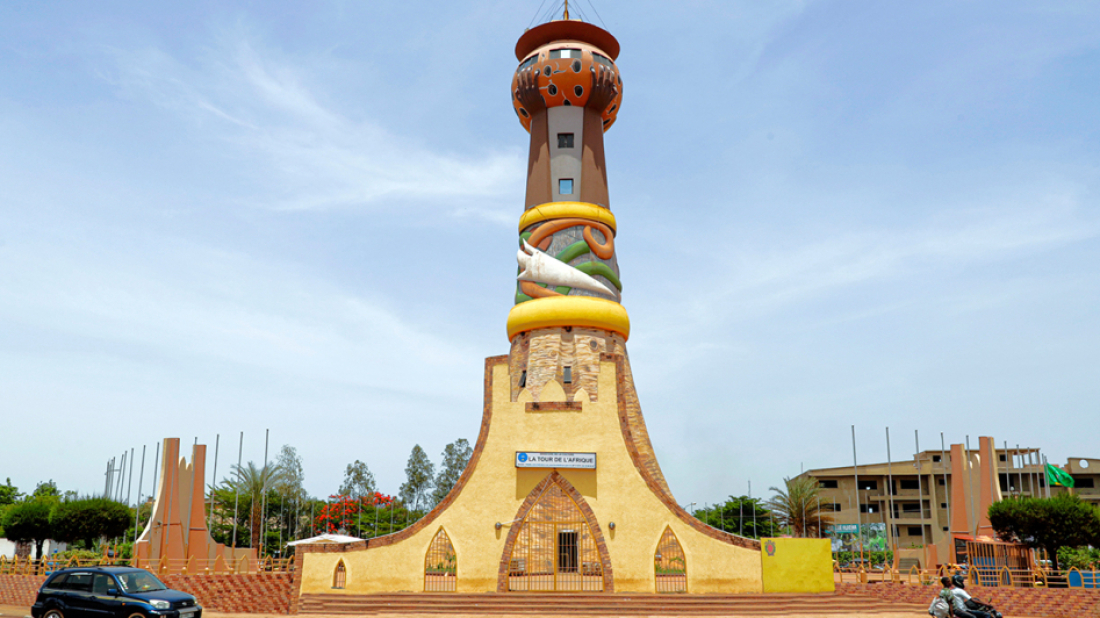
In a nation striving for peace and development, the La Tour d'Afrique, built in 2008, embodies a spirit of defiance against colonial legacies and foreign interference. Located at a major intersection, the tower is a constant presence in the life of the city, which is nourished by the nearby Niger River. For the people of Mali, it is a point of pride and a popular gathering place, especially on public holidays.
The architectural design of the 46-meter-high tower is rich with symbolism. Its main structure is inspired by the mighty baobab tree, an important and long-lived species across Africa, representing endurance and life. The body of the tower features designs that evoke solidarity, unity, and mutual assistance, core tenets of pan-Africanism.
Perhaps its most poignant feature is the perforated bowl that crowns the monument, appearing to be lifted by the hands of African youth. This element illustrates a powerful proverb: only by coming together can the youth "plug the holes" and make the vessel whole, a metaphor for the collective effort required to build a prosperous future for Africa. An African map is also integrated into the tower's design, reinforcing its continental theme.
The area surrounding the tower is a vibrant display of this pan-African spirit, with the flags of the 54 African nations and the banner of the African Union proudly flown. When the city's power supply allows, the tower and its environs are illuminated at night, creating a beacon of unity in the heart of West Africa.
Inside, the La Tour d'Afrique is home to a museum spread across its lower floors. The initial levels showcase wall paintings depicting the rich cultural and traditional diversity of Africa, alongside a library. A significant portion of the museum is dedicated to honouring African leaders who rose against colonial rule, telling the stories of their struggle for independence. Visitors can ascend to the 10th-floor observation deck, which offers a stunning panoramic vista of Bamako, from the sprawling cityscape to the vital artery of the Niger River.
As life flows ceaselessly around it, the La Tour d'Afrique stands not just as a monument of stone and steel, but as a lasting symbol of the enduring dream of a united, independent, and flourishing African continent.
















What is your opinion on this topic?
Leave the first comment