Australia warns of China’s opaque military expansion deep into Pacific
Canberra has issued a stark assessment of the changing security landscape in the Pacific, warning that Beijing is projecting force deeper into the reg...
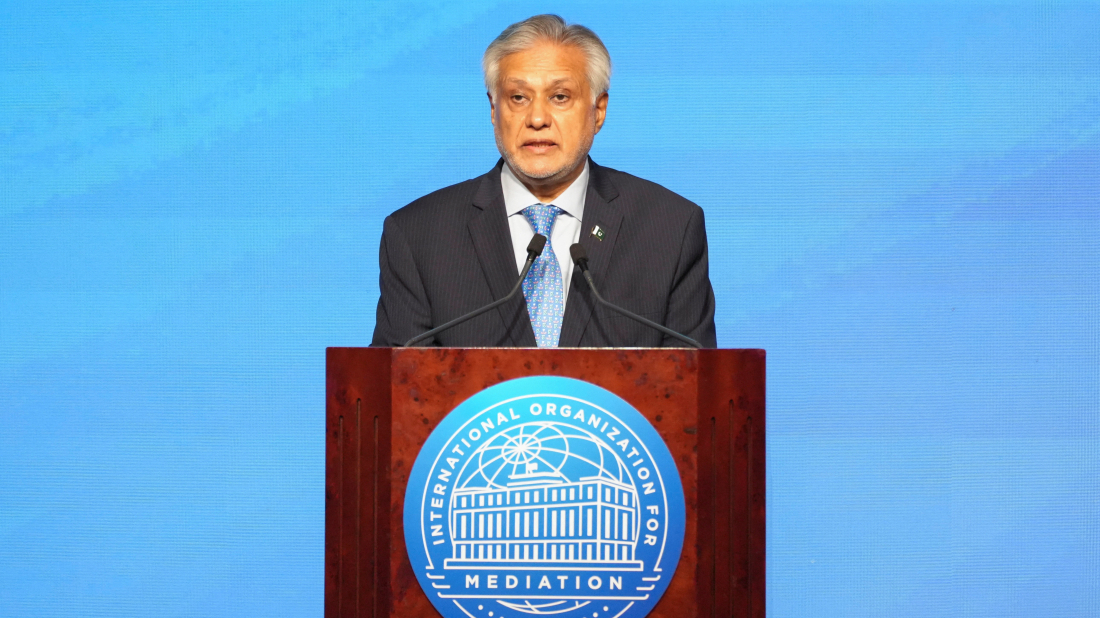
Foreign Minister Ishaq Dar says Pakistan is open to talks with India, but won't beg for diplomacy, as tensions over Kashmir and water rights remain high.
Pakistan is “ready but not desperate” for dialogue with India, Foreign Minister Ishaq Dar said Wednesday, signaling Islamabad’s willingness to engage but on its own terms — not on New Delhi’s dictated agenda.
The two nuclear-armed neighbors recently came to the brink of another disaster, clashing for four days in their worst military exchange in decades. Fighter jets, drones, missiles, and heavy artillery were deployed before a U.S.-brokered ceasefire came into effect on May 10 — though India denies any third-party involvement.
A deadly attack in Indian-administered Kashmir on April 22 that killed 26 people, mostly tourists. India pinned the blame on Pakistan-backed militants — a charge Islamabad categorically denies.
Speaking at a press conference in Islamabad, Dar made it clear: Pakistan seeks a comprehensive dialogue — not just India’s preferred one-topic focus on terrorism.
“That’s not on. Nobody else is more serious than us. It takes two to tango,” he said, pushing back on Indian Foreign Minister Jaishankar’s remarks that only terrorism should be discussed.
Pakistan is also demanding a discussion on water rights, especially after India suspended the Indus Waters Treaty, a crucial agreement that ensures irrigation water for over 80% of Pakistan’s agriculture. Islamabad sees this as an alarming provocation and a breach of international commitments.
India, meanwhile, maintains that the only issue left to settle is Pakistan vacating parts of Kashmir - a region both nations claim in full.
Despite the posturing, Dar's message was one of cautious openness: "Whenever they ask for a dialogue, at whatever level, we are ready — but we are not desperate."
As it stands, relations remain frosty. But in Islamabad, the door to diplomacy is open — just not at any cost.

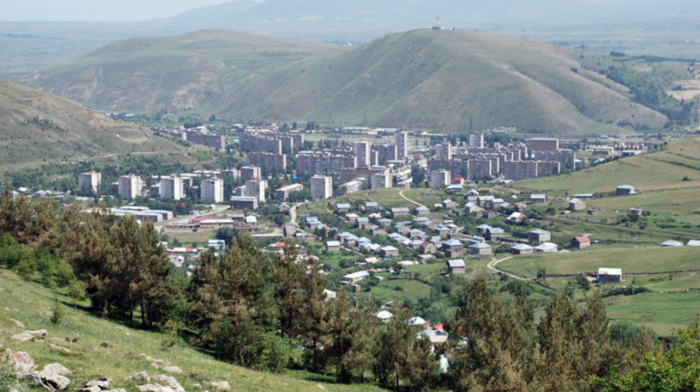
Security concerns across Central Asia have intensified rapidly after officials in Dushanbe reported a series of lethal incursions originating from Afghan soil, marking a significant escalation in border violence.
Moscow and Kyiv painted very different pictures of the battlefield on Sunday, each insisting momentum was on their side as the fighting around Pokrovsk intensified.
Russia has claimed a decisive breakthrough in the nearly four-year war, with the Kremlin announcing the total capture of the key logistics hub of Pokrovsk just hours before United States mediators were due to arrive in Moscow.
U.S. President Donald Trump confirmed on Sunday that he had spoken with Venezuelan President Nicolas Maduro, but did not provide details on what the two leaders discussed.
French President Emmanuel Macron addressed critical issues surrounding Ukraine’s ongoing conflict, the role of American mediation, and European involvement during a press conference on Monday, reaffirming France’s commitment to supporting Ukraine's sovereignty and ensuring peace in the region.
Canberra has issued a stark assessment of the changing security landscape in the Pacific, warning that Beijing is projecting force deeper into the region with diminishing transparency, complicating the delicate balance of power in the Southern Hemisphere.
A Russian-flagged tanker en route to Georgia reported an attack off Türkiye’s coast, with its 13 crew unharmed, according to the country’s maritime authority.
The fate of the world’s largest nuclear power station hangs in the balance this month as local lawmakers in Japan decide whether to authorise a controversial restart, a move that would mark a significant pivot in the nation’s post-Fukushima energy policy.
Venezuelan President Nicolás Maduro on Monday pledged his “absolute loyalty” to the Venezuelan people as tensions continue to rise with the administration of U.S. President Donald Trump.
At a transit camp on the Chad-Sudan border, Najwa Isa Adam, 32, hands out bowls of pasta and meat to orphaned Sudanese children from al-Fashir, the site of a recent violent takeover by paramilitary forces in Sudan.
You can download the AnewZ application from Play Store and the App Store.
What is your opinion on this topic?
Leave the first comment