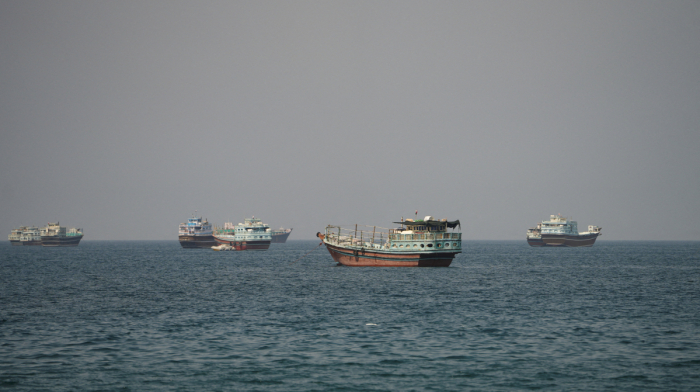
live U.S.-Iran standoff continues as Hormuz shipping and diplomacy remain uncertain
Shipping traffic through the Strait of Hormuz remains limited on Thursday, with no increase in vessel crossings as U.S.-Iran talks to res...
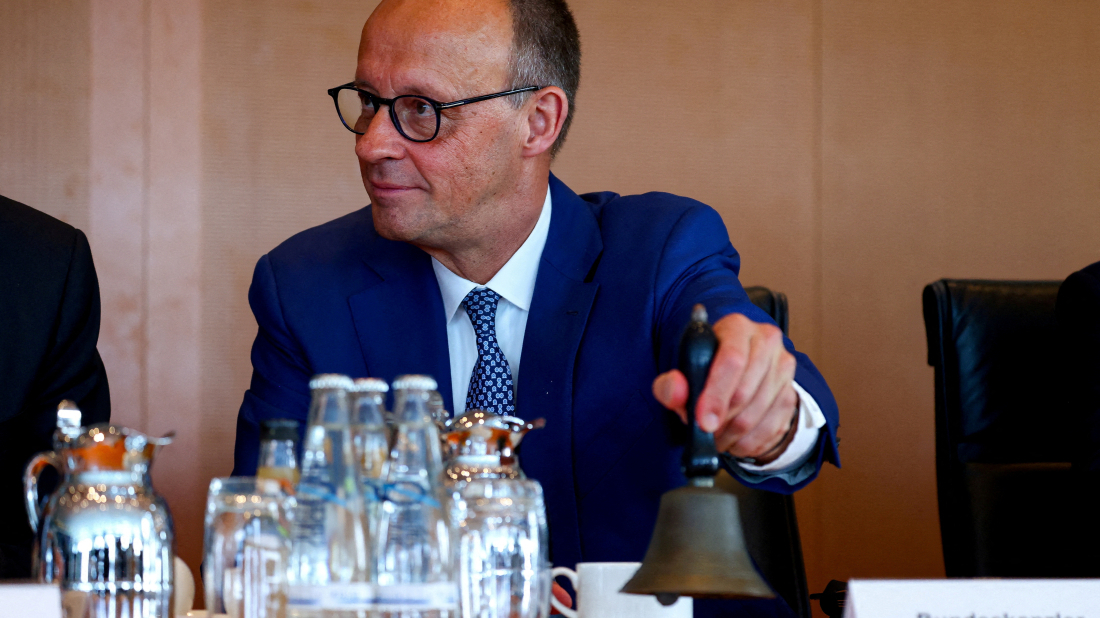
German Chancellor Friedrich Merz is set for his first official visit to the US, where he’ll meet President Trump to discuss Ukraine, trade tensions, and more. Meanwhile, Cologne braces for a massive WWII bomb evacuation.
Germany’s new Chancellor Friedrich Merz is heading to Washington this week for his first official visit since taking office. The high-stakes meeting with U.S. President Donald Trump will cover a wide range of issues, including ongoing support for Ukraine and brewing tensions over tariffs.
With Europe’s geopolitical position under pressure and Trump eyeing a second term, the visit could shape the tone of U.S.-German relations for years to come. Merz, a vocal supporter of transatlantic ties, is expected to push for continued aid to Kyiv while trying to defuse tariff threats targeting German exports.
Meanwhile, back home in Cologne, a different kind of emergency is unfolding. Authorities have launched a massive evacuation effort as experts work to defuse three unexploded World War II bombs discovered during construction. Thousands have been asked to leave their homes, disrupting schools, public transport, and businesses.

The collective-defence agreement between Türkiye, Saudi Arabia and Pakistan signals that regional powers no longer want to rely solely on external security guarantees. Whether it becomes a stabilising deterrent or another axis of rivalry remains unresolved.
Shipping traffic through the Strait of Hormuz remains limited on Thursday, with no increase in vessel crossings as U.S.-Iran talks to resolve the conflict remained stalled. Nine commodity vessels transited the key waterway on Wednesday, unchanged from the previous day, according to Kpler data.
Shipping through the Strait of Hormuz has slowed, according to the latest data, as uncertainty over the waterway’s reopening kept most shipowners away. Six commodity vessels crossed the strait on Tuesday, down from nine the day before and below the 10-day daily average of 11.
Iran has said the Strait of Hormuz will remain closed until the U.S. fulfils the terms of an interim deal, including lifting the maritime blockade and sanctions and releasing Iran’s frozen assets.
Start your day informed with AnewZ Morning Brief. Here are the top news stories for the 19th of August, covering the latest developments.
Shipping traffic through the Strait of Hormuz remains limited on Thursday, with no increase in vessel crossings as U.S.-Iran talks to resolve the conflict remained stalled. Nine commodity vessels transited the key waterway on Wednesday, unchanged from the previous day, according to Kpler data.
Australia on Thursday condemned Israel’s decision to close its criminal investigation into the deaths of Australian aid worker Zomi Frankcom and six World Central Kitchen colleagues killed in Gaza in April 2024.
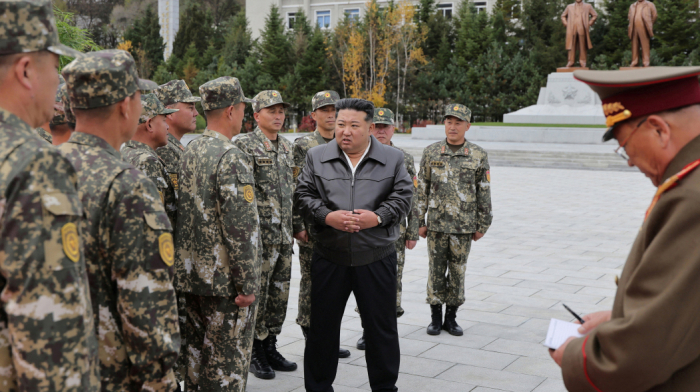
North Korea has fired more than 10 short-range ballistic missiles after U.S. President Donald Trump reduced American participation in joint military exercises with South Korea in an effort to revive dialogue with Pyongyang.
Georgia’s foreign trade data for January-July 2026 shows Kyrgyzstan, China and Russia as its top three export markets, highlighting its Middle Corridor ambitions and complex economic ties with Moscow.
Kazakhstan will vote on 23 August in its first parliamentary election under the new Constitution, choosing 145 members of the new Kurultai under a fundamentally changed electoral system based entirely on party lists.
You can download the AnewZ application from Play Store and the App Store.
What is your opinion on this topic?
Leave the first comment