Suspected hantavirus cases confirmed as the affected cruise ship prepares to dock in Spain
Health authorities are monitoring a widening hantavirus alert after new suspected cases emerged in Spain and on a remote South Atlantic island, day...
Two influential Turkic states — Uzbekistan and Türkiye — are intensifying their diplomatic engagement with Afghanistan’s Taliban-led government, signaling a shift in regional dynamics focused on pragmatic cooperation over political isolation.
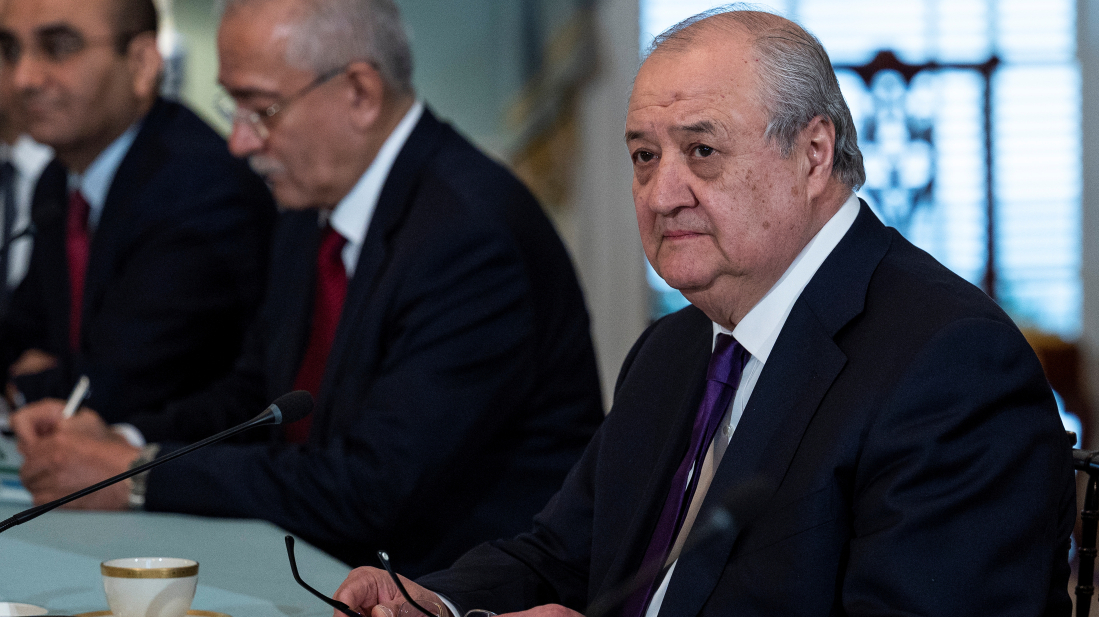
In a recent interview with Uzbek media, Abdulaziz Kamilov, Deputy Secretary of the Security Council under the President of Uzbekistan, emphasized that his country follows a “consistent, pragmatic, and principled policy” toward Afghanistan. He underscored the need for the international community to shift its approach, stating: “The people of Afghanistan, who have endured interventions by the British Empire, the Soviet Union, and NATO, need support, not pressure.”
Kamilov clarified that Uzbekistan’s cooperation with Kabul is not dependent on formal recognition of the Taliban administration. He argued that recognition is a matter of time, calling it “inevitable,” and stressed the importance of launching a broader international dialogue involving the current Afghan authorities.
Meanwhile, diplomatic efforts continue on the ground in Kabul. Amir Khan Muttaqi, the Taliban’s acting Foreign Minister, met with Turkish Ambassador Cenk Ünal to discuss bilateral ties, regional developments, and ongoing cooperation.
According to a statement from Afghanistan’s Ministry of Foreign Affairs, Muttaqi expressed appreciation for Türkiye’s support and highlighted the “expanding” nature of relations between Kabul and Ankara.
The moves by Tashkent and Ankara reflect a growing trend among regional actors to engage directly with Afghanistan’s de facto authorities, prioritizing stability and strategic interests over international hesitation to grant official recognition.
As Western pressure continues to mount on the Taliban over human rights and governance issues, regional powers appear increasingly willing to chart their own course in dealing with Kabul.

The U.S military said it carried out retaliatory strikes on Iran on Thursday (7 May). Meanwhile, Iran's Joint Military Command accused the U.S. of breaching the ceasefire, by striking an Iranian oil tanker in the Strait of Hormuz and launching attacks on several Iranian cities.
The U.S. and Iran exchanged fire in and around the Strait of Hormuz, though both sides signalled they did not want escalation. The clashes come as Washington awaits Tehran’s response to a proposed deal to end the war while leaving key disputes, such as Iran’s nuclear programme, unresolved for now.
Singapore has isolated and is testing two of its residents who travelled aboard a cruise ship linked to a deadly hantavirus outbreak, the Communicable Diseases Agency (CDA) said on Thursday.
Efforts to end the U.S.-Iran war appeared to stall as the two sides exchanged fire in and around the Strait of Hormuz. A reported CIA assessment suggested Tehran could withstand a U.S. naval blockade for months despite mounting sanctions and renewed Gulf attacks.
Ukraine’s military said it struck a Russian Karakurt-class small missile carrier in the Caspian Sea near Russia’s Dagestan region on Thursday. The extent of the damage is still being assessed, according to Kyiv.
Somalia is facing a severe malnutrition crisis and urgently needs additional humanitarian funding to prevent conditions deteriorating further, the World Food Programme has warned.
British Prime Minister Keir Starmer vowed to carry on as leader on Friday (8 May) after his ruling Labour Party suffered heavy losses in local elections. Labour lost hundreds of councillors across the country, as some figures in the party said he should stand down.
Indonesian rescue teams have located two Singaporeans who went missing after Mount Dukono erupted on Friday (8 May) on the island of Halmahera, though authorities say it remains unclear whether they are alive.
Health authorities are monitoring a widening hantavirus alert after new suspected cases emerged in Spain and on a remote South Atlantic island, days after an outbreak on a cruise ship left three people dead and several others infected.
The U.S. Defense Department has released dozens of previously classified files on unidentified anomalous phenomena (UAP) on Friday (8 May), following an order from President Donald Trump. U.S. officials described as a push for “unprecedented transparency”.
You can download the AnewZ application from Play Store and the App Store.
What is your opinion on this topic?
Leave the first comment