Rally in Tel Aviv calls for return of deceased hostage Ran Gvili
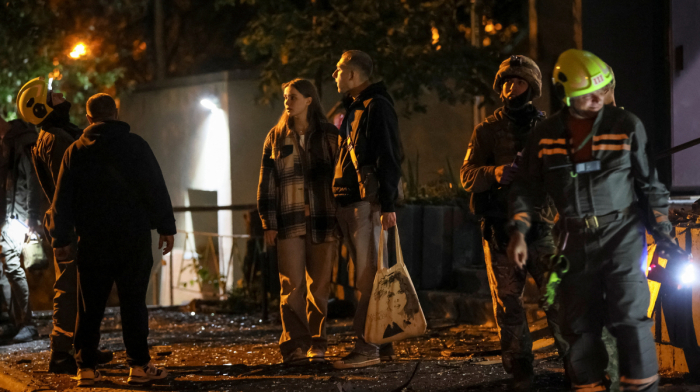
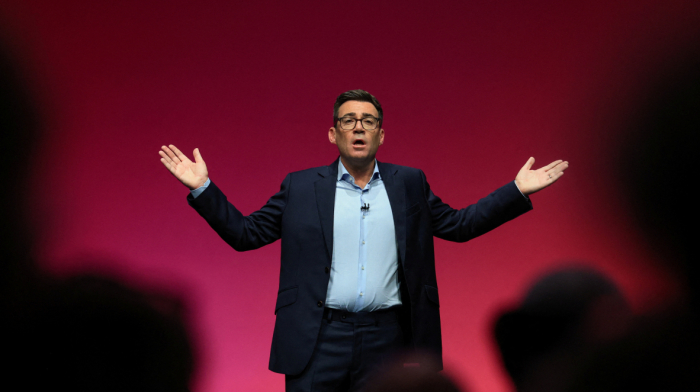
Hundreds of people gathered for a second consecutive week at Tel Aviv’s Hostages Square, on Friday (12 December), to support the family of Master Sg...
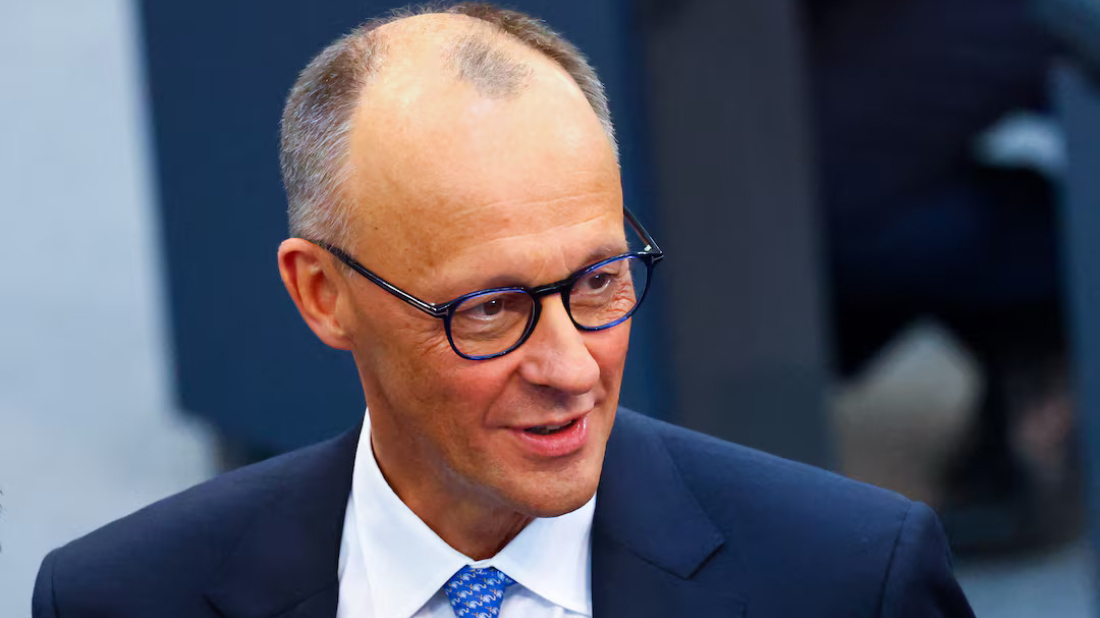
German Chancellor Friedrich Merz announced on Monday that Ukraine is now permitted to use Western-supplied weapons to strike military targets inside Russia, a major shift in policy from earlier in the war.
Speaking at the WDR European Forum in Berlin, Merz said that Western allies, including the United States, United Kingdom, France, and Germany have lifted previous restrictions on how far Ukraine could use the weapons provided to them.
"There are no longer any range limits on the weapons sent to Ukraine", Merz stated. "That means Ukraine can now defend itself by, for example, attacking military positions inside Russia. Until recently, that wasn't allowed and with a few exceptions, Ukraine wasn't doing it. But now it can".
This change could significantly alter Ukraine’s ability to respond to Russian attacks, giving Kyiv more options to target bases, missile launch sites, and logistics centers located across the border in Russian territory.
However, Merz didn't say exactly when these restrictions were lifted or what led to the decision. It's also unclear whether he was referring to a move made by the previous U.S. administration in late 2024 — which was reportedly coordinated with European allies — or a more recent shift that hasn't yet been made public.
Merz, who only became chancellor earlier this month, did not go into detail about what specific weapons systems or conditions are involved. But his comments suggest a united front among Western powers in giving Ukraine more flexibility on how to use the military aid it receives.
Following remarks by, Kremlin spokesman Dmitry Peskov warned that any European move to provide Kyiv with enhanced long-range missile capabilities would be a dangerous escalation. A German official later clarified that Merz’s comments did not signal a shift in Berlin’s policy.
This development comes at a critical time in the war, as Ukraine continues to defend its territory and infrastructure amid renewed Russian offensives and ongoing missile and drone attacks.

Japan has lifted a tsunami advisory issued after an earthquake with a magnitude of 6.9 hit the country's northeastern region on Friday (12 December), the Japan Meteorological Agency (JMA) said. The JMA had earlier put the earthquake's preliminary magnitude at 6.7.
Iran is preparing to host a multilateral regional meeting next week in a bid to mediate between Afghanistan and Pakistan.
The United States issued new sanctions targeting Venezuela on Thursday, imposing curbs on three nephews of President Nicolas Maduro's wife, as well as six crude oil tankers and shipping companies linked to them, as Washington ramps up pressure on Caracas.
The resignation of Bulgaria's government on Thursday (11 December) puts an end to an increasingly unpopular coalition but is likely to usher in a period of prolonged political instability on the eve of the Black Sea nation's entry into the euro zone.
An extratropical cyclone has caused widespread disruption across Brazil’s São Paulo state, with powerful winds toppling trees and power lines, blocking streets and leaving large parts of the region without electricity.
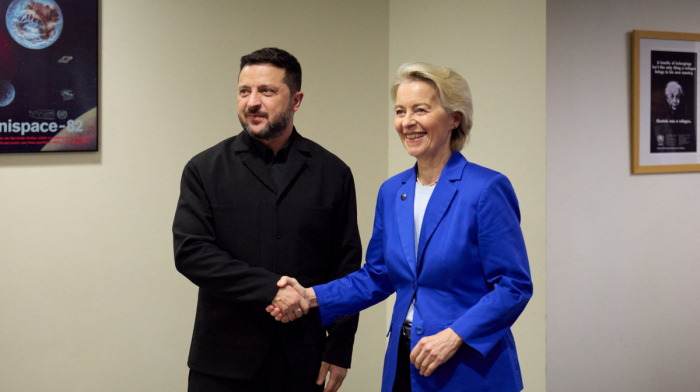
Talks aimed at ending the war between Ukraine and Russia are set to continue in Berlin this weekend, with U.S. envoy Steve Witkoff due to meet Ukrainian President Volodymyr Zelenskyy and senior European leaders, a U.S. official said.
Türkiye’s Trade Minister Omer Bolat said Friday that discussions in Washington with U.S. officials have strengthened efforts to expand bilateral trade, moving closer to a $100 billion target.
Lebanon is prepared to demarcate its border with Syria, President Joseph Aoun said on Friday, while noting that the dispute over the Shebaa Farms could be addressed at a later stage.
Greek farmers blocked the Port of Thessaloniki on Friday (12 December) as part of nationwide protests demanding delayed European Union subsidies and compensation for rising production costs and livestock losses.
Türkiye’s President Recep Tayyip Erdoğan and Pakistani Prime Minister Shahbaz Sharif held talks on Friday during the International Peace and Trust Forum in Ashgabat, Turkmenistan, focusing on bilateral relations as well as regional and global issues
You can download the AnewZ application from Play Store and the App Store.
What is your opinion on this topic?
Leave the first comment