live Iran threatens ‘fully offensive’ posture as oil prices surge above $91 a barrel
Iran has warned it will shift to a “fully offensive” military posture if efforts to reach a permanent peace deal with the U.S. fail, se...
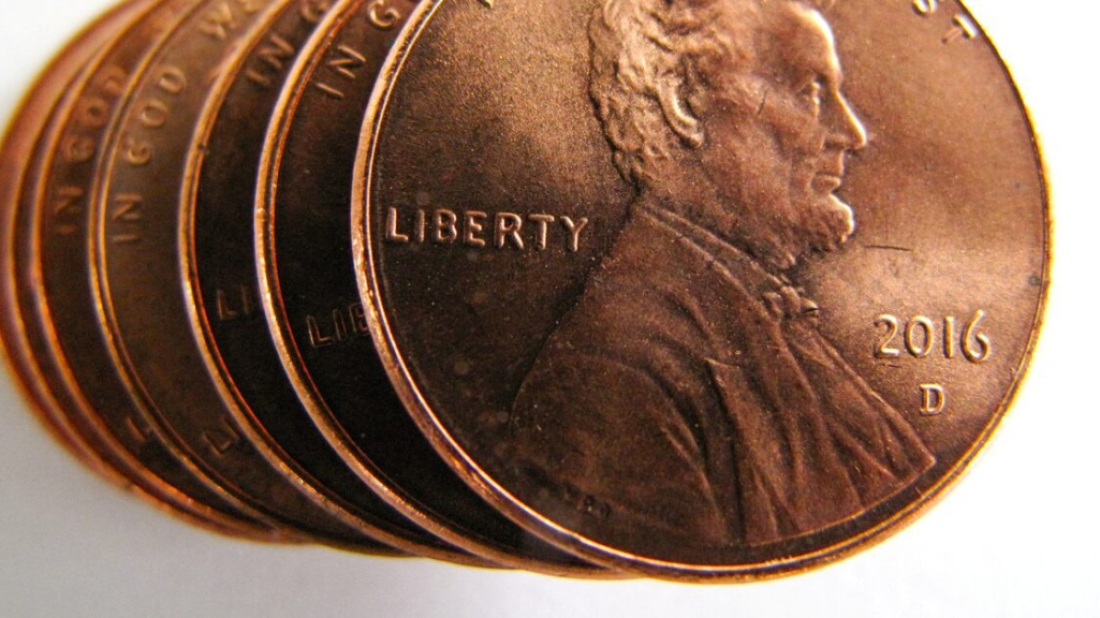
The penny may soon stop rolling off the presses, but America’s most iconic coin isn’t disappearing from everyday life just yet.
The U.S. Treasury Department announced Thursday that it will begin phasing out production of the one-cent coin in early 2026, ending more than 230 years of continuous minting. Despite the move, the penny will remain legal tender, and consumers will still be able to use them for purchases as long as retailers accept them.
There are currently an estimated 114 billion pennies in circulation—enough to fill a cube roughly 13 stories high—but most are not actively used. “Many are sitting in coin jars, junk drawers, or other forgotten places gathering dust,” the Treasury noted.
Retailers and industry experts say consumers likely won’t notice an immediate change. “If we look at the experience in Canada, for the first year after they stopped making pennies, there was really no change in transactions,” said Jeff Lenard, spokesperson for the National Association of Convenience Stores. He added that convenience stores handle about 32 million cash transactions a day, or roughly 20% of their customer purchases, making them a key barometer for how the shift will unfold.
The National Retail Federation (NRF), which represents major U.S. store chains and thousands of smaller businesses, said its members will continue accepting pennies even after minting stops. However, as bank supplies begin to dwindle, some retailers may choose to round cash transactions to the nearest nickel. This rounding would apply only to cash payments; electronic transactions—such as credit and debit card purchases—will still be processed to the exact cent.
“There’s a saying in retail, ‘Never lose a customer over a penny,’” said Lenard. “I think if someone wants to pay with pennies, most retailers will err on the side of making those customers happy.”
Though pennies may gradually fade from circulation, there’s no expiration date on their value. The U.S. will follow the model used in Canada, which stopped minting pennies in 2012, but continues to recognize them as legal tender indefinitely.
As the U.S. moves toward ending production, the massive stockpile of existing pennies will continue to change hands—or gather dust in drawers—for years to come.

At least 11 people were killed in Israeli strikes on southern Lebanon on Saturday, among the deadliest since a June ceasefire. Meanwhile, Qatar denied holding Iranian pilots. It said it had found the remains of one pilot after an airspace violation and had contacted Iran to coordinate a handover.
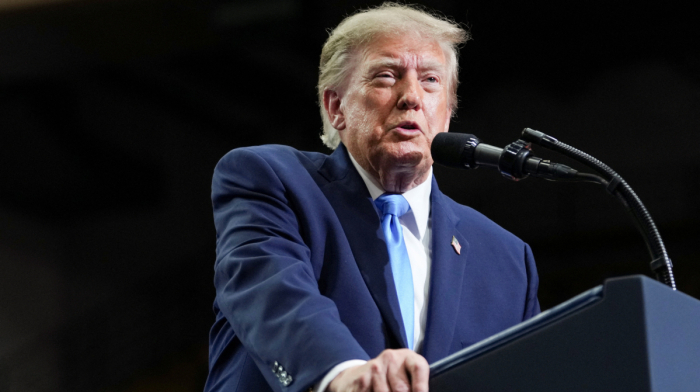
U.S. President Donald Trump says Washington is not seeking an extension of its memorandum of understanding with Iran, claiming the U.S. already controls the Strait of Hormuz through its naval blockade.
A wildfire in Croatia driven by strong winds descended on the tourist town of Omis overnight, engulfing houses, forcing about 1,000 people to evacuate to safety and injuring dozens, fire brigade and health officials said on Friday.
South Korea's presidential Blue House said on Monday it was reviewing U.S. President Donald Trump's comments on scaling back joint military drills. It added that it hoped a favourable relationship between Washington and Pyongyang could lead to meaningful talks.
Residents of villages in eastern Indonesia hit by a deadly earthquake that killed at least 54 people were awaiting aid on Monday as rescuers prepared to comb through collapsed buildings in search of people trapped beneath the rubble.
The economic losses from a powerful earthquake that struck Colombia last week are expected to reach 30 trillion pesos ($9.58 billion), Colombia's President Abelardo De La Espriella said on Monday.
Taiwan is preparing to spend more money on its military than ever before, with President Lai Ching-te announcing plans for a record defence budget of $31.4 billion for 2027, taking military spending above three per cent of GDP for the first time.
German Chancellor Friedrich Merz is facing growing pressure as his approval ratings fall and the far-right Alternative for Germany (AfD) party gains support.
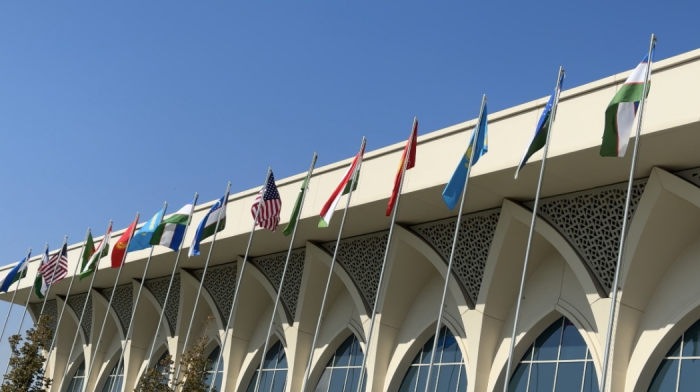
Central Asia has become a major focus for Eurasian transport investment, with $71.7 billion committed to 114 projects, according to the Eurasian Development Bank’s 2026 Transport Observatory.
The European Union is preparing what foreign policy chief Kaja Kallas has described as its most far-reaching sanctions package against Russia since the war in Ukraine began.
You can download the AnewZ application from Play Store and the App Store.
What is your opinion on this topic?
Leave the first comment