Kazakhstan concludes first Kurultai election with turnout at 74.19%
Kazakhstan has concluded its first election to the new unicameral Kurultai, with turnout reaching 74.19 per cent, as vote counting begins following...
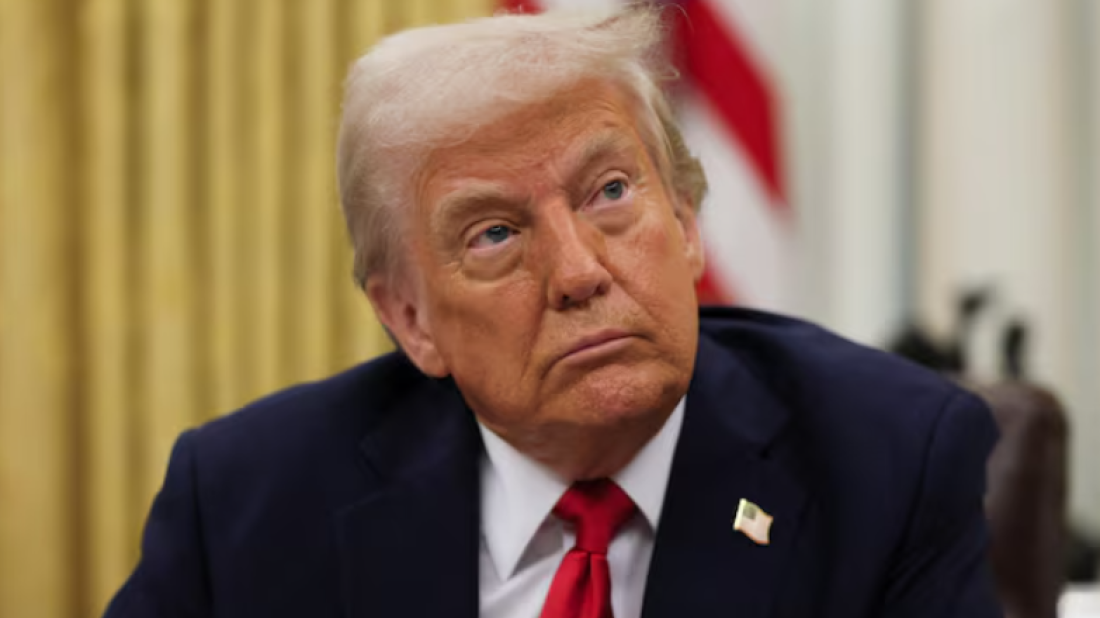
Donald Trump announced a $175 billion, three-year plan to build a sweeping missile defense system dubbed “Golden Dome,” aiming to shield the U.S. from global and even space-based threats.
President Donald Trump unveiled a $175 billion initiative to build a next-generation missile defense system, Golden Dome, designed to intercept missiles from anywhere in the world - including those launched from space.
“It will be capable of intercepting missiles launched from the other side of the world,” Trump said from the Oval Office, alongside Defense Secretary Pete Hegseth. The project’s first $25 billion tranche is included in Trump’s sweeping tax and spending package currently before Congress.
An executive order signed in January kicked off the multi-layered defense program, which will integrate existing Pentagon systems with new technologies such as space-based sensors and weapons. The effort will require an extensive software infrastructure to link current and future systems, according to Gen. Chance Saltzman of the U.S. Space Force.
Despite Trump’s ambitious three-year timeline, the Congressional Budget Office estimates a fully operational missile shield could cost over $500 billion across two decades. To meet Trump’s goal, Congress would need to allocate another $150 billion within the next two years.
Trump named Gen. Michael Guetlein, Space Force vice chief of operations, to lead the project. “This design for the Golden Dome will integrate with our existing defense capabilities and should be fully operational before the end of my term,” Trump said.

Iran on Saturday denounced U.S. plans to announce new sanctions that could put further strain on the Islamic Republic's economy and have an impact on its most important trading partners including China.
A large-scale drone attack has hit Russia's Samara region, damaging facilities and disrupting operations at an Ozon logistics complex, according to regional authorities and the company.
Ukrainian President Volodymyr Zelenskyy has rejected calls for a wartime election, arguing that holding a vote while Russia's full-scale invasion continues would divide the country and undermine national unity.
U.S. President Donald Trump said Iran was not ready to make what he called the "right deal" with Washington as tensions persisted over the war and the Strait of Hormuz.
Start your day informed with AnewZ Morning Brief. Here are the top news stories for the 22nd of August, covering the latest developments.
The Democratic Republic of Congo is set to receive 70,000 doses of the Ebola vaccine Ervebo as health authorities race to contain what has become the country's largest Ebola outbreak on record.
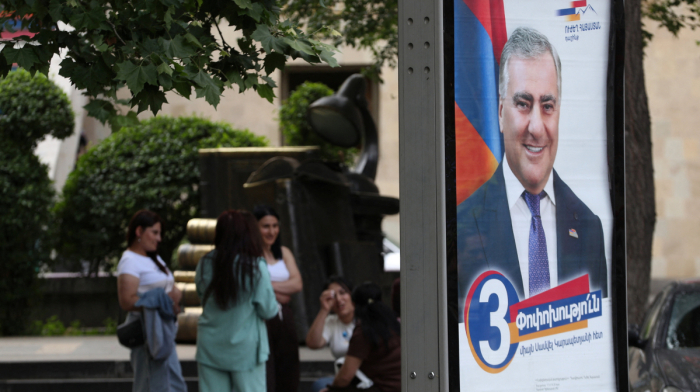
Kazakhstanis went to the polls on Sunday in a snap parliamentary election held under the country’s new constitutional system, which replaces the former two-chamber parliament with a single 145-seat legislature known as the Kurultai.
Ukrainian President Volodymyr Zelenskyy has rejected calls for a wartime election, arguing that holding a vote while Russia's full-scale invasion continues would divide the country and undermine national unity.
Syria expects negotiations with Israel over a security agreement to resume soon despite deep mistrust between the two sides, Syrian Foreign Minister Asaad al-Shaibani said in an interview with Reuters, urging Israel to seize an "historic opportunity" as the door for diplomacy is open.
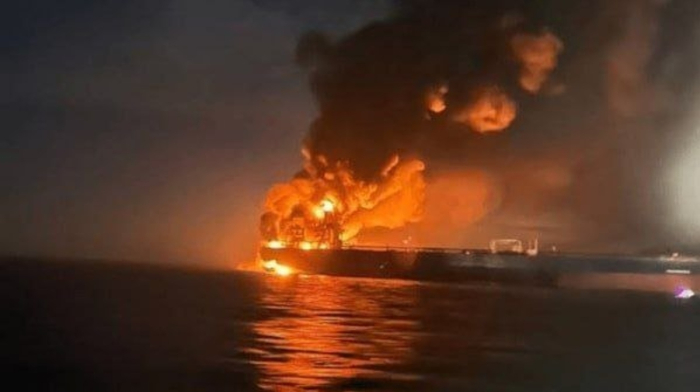
India's Coast Guard and Navy continued search-and-rescue operations off the eastern coast on Sunday after a Panama-flagged cargo vessel carrying 24 crew sank, with two Chinese nationals rescued, a senior official said.
You can download the AnewZ application from Play Store and the App Store.
What is your opinion on this topic?
Leave the first comment