live Iran condemns new U.S. sanctions as ‘economic terrorism’
Iran has condemned new U.S. sanctions as “economic terrorism” and “crimes against humanity”, accusing Washington of pursuin...
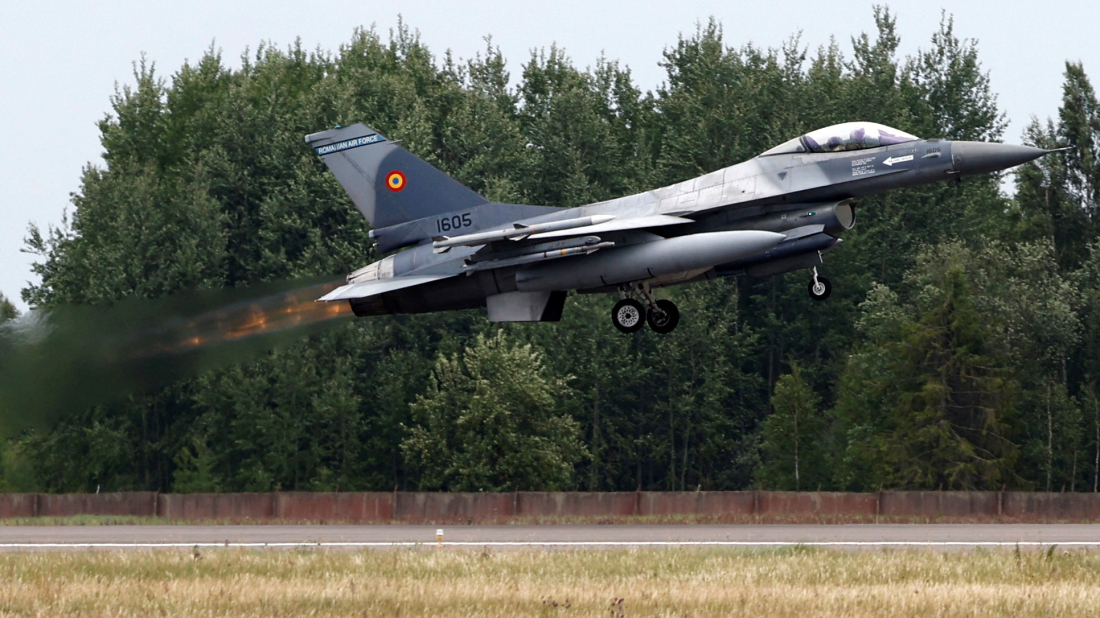
As of May 19, 2025, Romania's interim President Ilie Bolojan has authorized the military to shoot down unauthorized drones entering the country's airspace.
This decision follows the approval of the necessary legislation by the Romanian parliament in February 2025, which grants the military the authority to neutralize or destroy unauthorized aerial vehicles, including drones, based on assessed threat levels and risks to human life and property.
The legislation outlines specific protocols for dealing with both piloted and unmanned aircraft. For piloted vehicles, the measures include establishing the aircraft's position and identity, attempting contact, interception, and warning shots, with destruction as a last resort if the aircraft conducts an attack or responds aggressively. For unmanned aerial vehicles (UAVs), the military may destroy, neutralize, or take control of the drone, depending on the assessed threat level.
The law also allows for the participation of allied systems present in Romania, in accordance with collective defense treaties with NATO and EU member states.
This legislative action comes in response to multiple incidents where Russian drones have breached Romanian airspace, with fragments found on Romanian territory during attacks on Ukrainian infrastructure.

The collective-defence agreement between Türkiye, Saudi Arabia and Pakistan signals that regional powers no longer want to rely solely on external security guarantees. Whether it becomes a stabilising deterrent or another axis of rivalry remains unresolved.
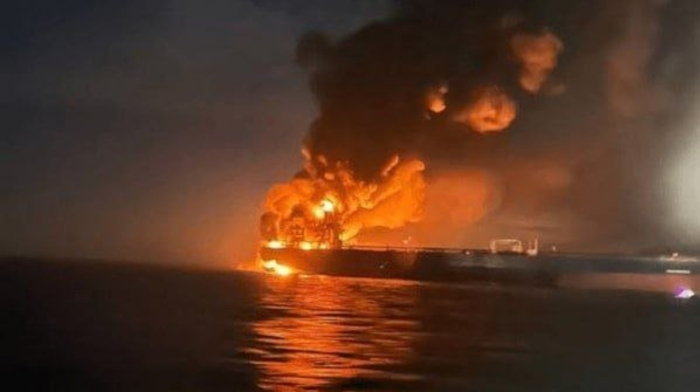
Shipping traffic through the Strait of Hormuz remains limited on Thursday, with no increase in vessel crossings as U.S.-Iran talks to resolve the conflict remained stalled. Nine commodity vessels transited the key waterway on Wednesday, unchanged from the previous day, according to Kpler data.
Shipping through the Strait of Hormuz has slowed, according to the latest data, as uncertainty over the waterway’s reopening kept most shipowners away. Six commodity vessels crossed the strait on Tuesday, down from nine the day before and below the 10-day daily average of 11.
Start your day informed with AnewZ Morning Brief. Here are the top news stories for the 20th of August, covering the latest developments.
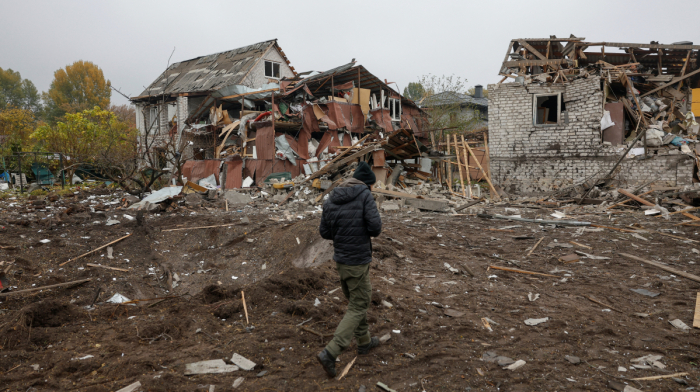
Russian ballistic missile strikes on Ukraine’s capital Kyiv has killed at least sixteen people and injured more than forty others, Ukrainian officials said, with fires reported across the city and Poland activating defensive air operations.
Russia is open to listening to new proposals on how to reach a settlement on the Ukraine conflict, a senior Russian diplomat said, but any proposals should reflect the "realities on the ground".
Start your day informed with AnewZ Morning Brief. Here are the top news stories for the 21st of August, covering the latest developments.
South African human rights and environmental groups have urged the government to block Israeli-linked Navitas Petroleum from acquiring a stake in a major offshore oil block, citing concerns over the war in Gaza and environmental risks.
Israel and Colombia will waive advance visa requirements for travellers from 1 September as the two countries move to restore diplomatic and economic relations following years of tensions over the war in Gaza.
Shipping traffic through the Strait of Hormuz remains limited on Thursday, with no increase in vessel crossings as U.S.-Iran talks to resolve the conflict remained stalled. Nine commodity vessels transited the key waterway on Wednesday, unchanged from the previous day, according to Kpler data.
You can download the AnewZ application from Play Store and the App Store.
What is your opinion on this topic?
Leave the first comment