U.S., Iran closer to deal, timing remains unclear
U.S. and Pakistani leaders forecast a Sunday signing of a long-elusive framework agreement to end fighting between the United States and Iran, as Reut...
Colombia has formally applied to join the China-based New Development Bank, deepening Latin America’s growing alignment with Beijing as regional leaders react to U.S. policy shifts under President Donald Trump.
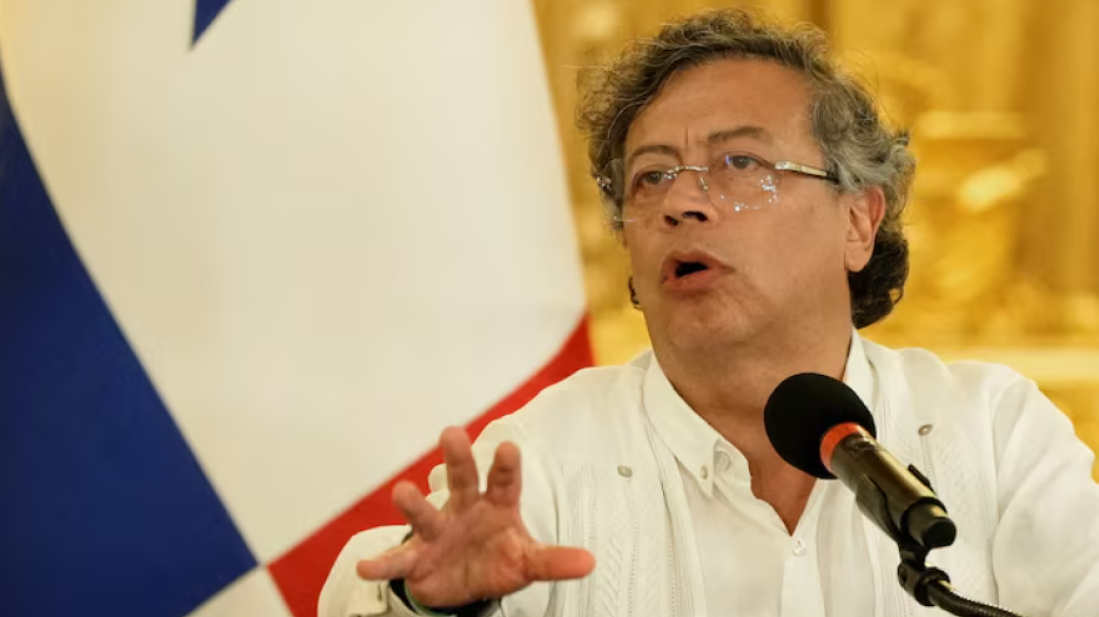
Colombian President Gustavo Petro concluded his visit to China with a stop in Shanghai, where he met Dilma Rousseff, the former Brazilian president and current head of the New Development Bank (NDB). The institution was established by BRICS nations—Brazil, Russia, India, China and South Africa—as an alternative to Western-dominated lenders such as the World Bank and the Inter-American Development Bank.
Colombia’s request to join the NDB marks a notable geopolitical shift. Petro announced that his government plans to purchase $512 million in shares in the bank, signaling its long-term financial and strategic commitment to the institution.
“We see the New Development Bank as a platform to transform our infrastructure and unlock Colombia’s potential as a strategic bridge between Asia and Latin America,” Petro told reporters on Saturday. He highlighted a proposed 120-kilometer canal or railway linking Colombia’s Pacific and Atlantic coasts as a project that could benefit from NDB financing. “It would place us at the very heart of intercontinental trade,” he said.
Since its founding in 2014, the NDB has approved more than $40 billion in loans for 122 infrastructure projects, ranging from sanitation to clean energy and transport, according to Rousseff.
The move comes amid a broader regional realignment. As the Trump administration enacts stricter immigration rules, withdraws foreign aid, and increases tariffs, Latin American nations have increasingly turned toward China for investment and partnership.
Analysts say Colombia’s application reflects the changing dynamics of global development finance and underlines Beijing’s expanding influence in the Western Hemisphere. If accepted, Colombia would become one of the few Latin American nations formally tied to the BRICS bank, further consolidating a trend of economic diversification away from Washington.

Pakistan has warned that any attempt by India to block or significantly reduce river flows under the Indus Waters Treaty could have “far-reaching consequences”, after India's water minister said New Delhi was working to ensure that “not a single drop” of water reaches Pakistan in the coming years.
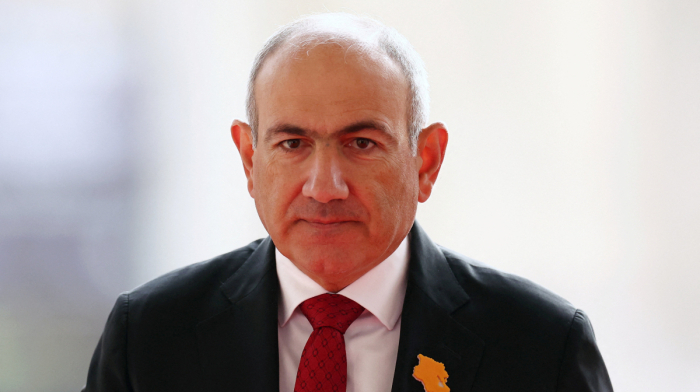
Armenia has every right to choose Europe. But Europe’s support for Armenia’s direction should not become automatic approval of its political process.
U.S. President Donald Trump has said a peace agreement with Iran is scheduled to be signed on Sunday in a post on social media, despite Tehran's Foreign Ministry spokesperson Esmaeil Baghaei saying no deal would be approved this weekend.
Japan’s birth rate and fertility levels have fallen to their lowest levels on record, highlighting the country’s worsening demographic crisis as fewer people marry and have children.
The global race to develop quantum computing is accelerating, with governments and technology firms investing heavily in what is expected to become a major new computing era.
The New York Knicks defeated the San Antonio Spurs 94-90 to close out the series 4-1 and claim their first NBA championship since 1973, sparking celebrations across New York City.
In the runup to the G7 summit, hosted by France in Évian-les-Bains on Monday, 15 June, China has addressed global economic balances in a videoconference hosted by French President Emmanuel Macron. It is a rarity for Beijing to engage directly with the group.
Switzerland on Sunday rejected a referendum proposal to cap its population at 10 million, a projection showed, as voters prioritised economic stability and the country's ties with the European Union over immigration concerns.
Romania's centrist President Nicușor Dan on Sunday designated Adrian Veștea, a member of the liberal party, as prime minister, after independent candidate Eugen Tomac withdrew.
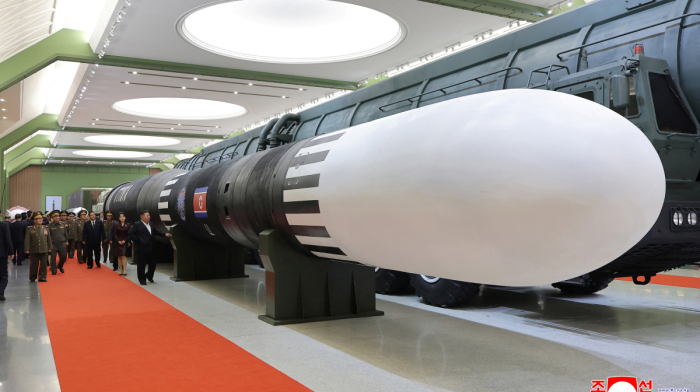
North Korea said on Sunday, 14 June, that denuclearisation is a matter that is irreversibly terminated, in a condemnation of recent nuclear deterrence talks between the U.S. and South Korea.
You can download the AnewZ application from Play Store and the App Store.
What is your opinion on this topic?
Leave the first comment