Kazakhstan concludes first Kurultai election with turnout at 74.19%
Kazakhstan has concluded its first election to the new unicameral Kurultai, with turnout reaching 74.19 per cent, as vote counting begins following...
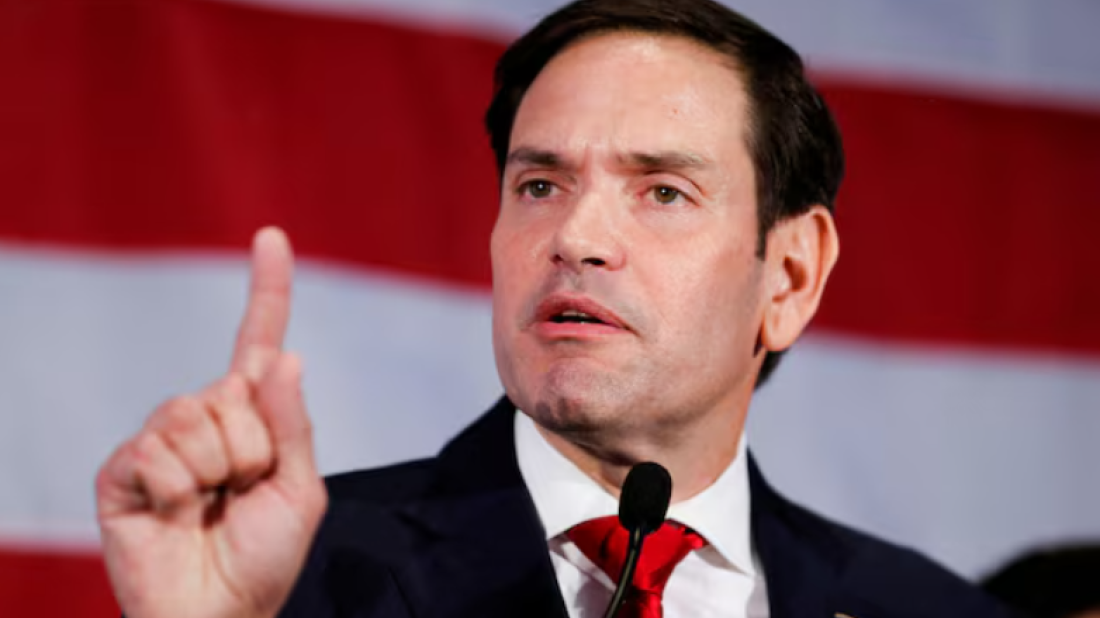
U.S. Secretary of State Marco Rubio announced that all NATO member states are expected to agree on a long-term goal of spending 5% of their GDP on defense by the time of the 2025 NATO Summit in June.
U.S. Secretary of State Marco Rubio stated that all NATO members are on track to agree to a defense spending goal of 5% of GDP over the next decade, aligning with U.S. expectations ahead of the NATO Summit scheduled for June 24-25, 2025, in the Netherlands.
Speaking on Fox News' "Hannity," Rubio highlighted growing momentum among alliance members toward increased military investment. “I can tell you that we are headed for a summit in six weeks, in which virtually every member of NATO will be at or above 2%, but more importantly, many of them will be over 4%, and all will have agreed on the goal of reaching 5% over the next decade,” he said.
The statement marks a significant shift from the past, particularly during President Donald Trump's first term (2017–2021), when he criticized NATO allies for underinvesting in collective defense and cut U.S. funding to the alliance.
Germany, long criticized for falling short of NATO’s 2% target, announced in January that it had met the benchmark for 2024. This week, German Foreign Minister Johann Wadephul confirmed Berlin’s support for increasing defense spending to 5% of GDP, echoing Trump's recent demands for greater burden-sharing.
The push for higher military expenditures comes amid heightened global security concerns and efforts to strengthen NATO's deterrence capabilities. If confirmed, the 5% target would mark the most ambitious collective defense spending commitment in the alliance's history.

Iran on Saturday denounced U.S. plans to announce new sanctions that could put further strain on the Islamic Republic's economy and have an impact on its most important trading partners including China.
A large-scale drone attack has hit Russia's Samara region, damaging facilities and disrupting operations at an Ozon logistics complex, according to regional authorities and the company.
Ukrainian President Volodymyr Zelenskyy has rejected calls for a wartime election, arguing that holding a vote while Russia's full-scale invasion continues would divide the country and undermine national unity.
U.S. President Donald Trump said Iran was not ready to make what he called the "right deal" with Washington as tensions persisted over the war and the Strait of Hormuz.
Start your day informed with AnewZ Morning Brief. Here are the top news stories for the 22nd of August, covering the latest developments.
The Democratic Republic of Congo is set to receive 70,000 doses of the Ebola vaccine Ervebo as health authorities race to contain what has become the country's largest Ebola outbreak on record.
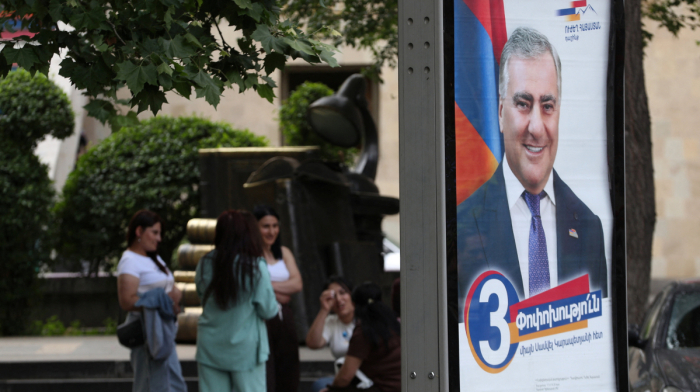
Kazakhstanis went to the polls on Sunday in a snap parliamentary election held under the country’s new constitutional system, which replaces the former two-chamber parliament with a single 145-seat legislature known as the Kurultai.
Ukrainian President Volodymyr Zelenskyy has rejected calls for a wartime election, arguing that holding a vote while Russia's full-scale invasion continues would divide the country and undermine national unity.
Syria expects negotiations with Israel over a security agreement to resume soon despite deep mistrust between the two sides, Syrian Foreign Minister Asaad al-Shaibani said in an interview with Reuters, urging Israel to seize an "historic opportunity" as the door for diplomacy is open.
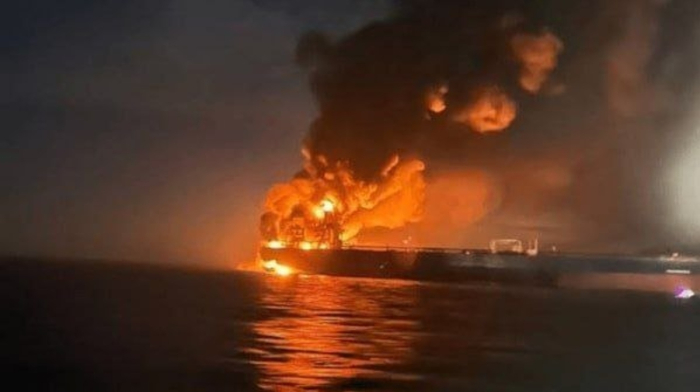
India's Coast Guard and Navy continued search-and-rescue operations off the eastern coast on Sunday after a Panama-flagged cargo vessel carrying 24 crew sank, with two Chinese nationals rescued, a senior official said.
You can download the AnewZ application from Play Store and the App Store.
What is your opinion on this topic?
Leave the first comment