U.S. Dollar Gains as Euro Falls on European Inflation Data
On Tuesday, the U.S. dollar strengthened against major peers, while the euro fell following slower-than-expected inflation in Europe. Market movements...
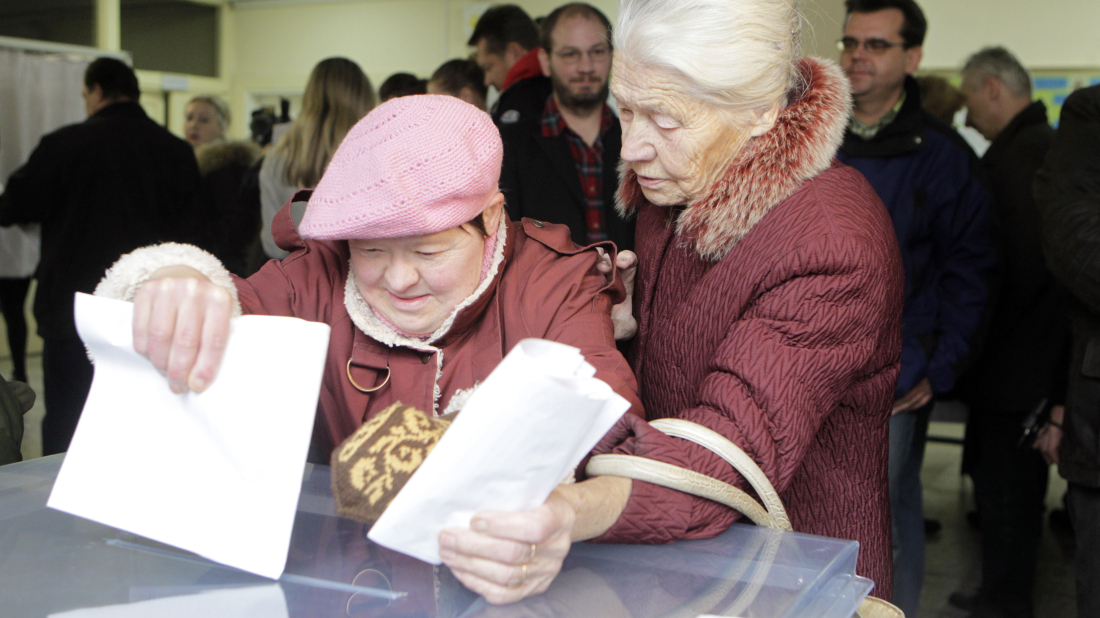
Millions of voters in Romania, Poland, and Portugal will head to the polls this Sunday, with crucial elections that could shape the future of their countries amid rising political tensions.
In Romania, a presidential runoff follows the annulled election of last year, which was marred by concerns over Russian interference. The far-right candidate, George Simion, leads against centrist Nicușor Dan. A win for Simion could steer Romania away from pro-European policies toward a more nationalist agenda.
In Poland, the race for president is tight, with major implications for foreign and domestic policies. The ruling Civic Coalition, led by Donald Tusk, faces competition from conservative Karol Nawrocki and far-right candidate Sławomir Mentzen. The outcome could determine the future of Poland’s liberal policies, including abortion and LGBTQ+ rights.
Portugal will hold its third snap election in just three years, triggered by Prime Minister Luís Montenegro’s business scandal. While his Democratic Alliance is expected to do well, they are unlikely to secure a majority, leaving them to negotiate with smaller parties. The rise of far-right support adds complexity to Montenegro’s prospects as prime minister.
These elections are set to play a significant role in shaping the political landscapes of these countries, with their outcomes closely watched across Europe.

Germany’s foreign intelligence service secretly monitored the telephone communications of former U.S. President Barack Obama for several years, including calls made aboard Air Force One, according to an investigation by the German newspaper Die Zeit.
Israeli media report that Israeli Prime Minister Benjamin Netanyahu chaired a lengthy security meeting that reportedly focused on the country’s regional threats, including Gaza, Lebanon, and Iran.
U.S. President Donald Trump said on Sunday (4 January) that the United States could carry out further military action in Venezuela following the capture of President Nicolás Maduro. Speaking to reporters aboard Air Force One, he said Washington now effectively controls the country.
At the end of last year, U.S. President Donald Trump was reported to have raised the Azerbaijan–Armenia peace agenda during a conversation with Israel’s prime minister, warning that if peace were not achieved, Washington could raise tariffs on both countries by 100 percent.
President Ilham Aliyev said 2025 has politically closed the Armenia-Azerbaijan conflict, as a Trump-era reset in U.S. ties, new transport corridors and a push into AI, renewables and defence production reshape Azerbaijan’s priorities.
U.S. President Donald Trump and his team are actively exploring options to acquire Greenland, with discussions including the potential use of the U.S. military, which is "always an option," according to a statement from the White House on Tuesday.
Leaders from the U.S. and European countries moved closer to finalising legally binding security guarantees for Ukraine following a “Coalition of the Willing” meeting in Paris on Sunday.
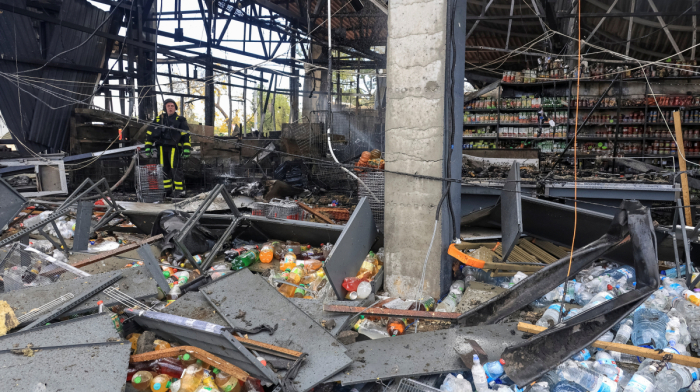
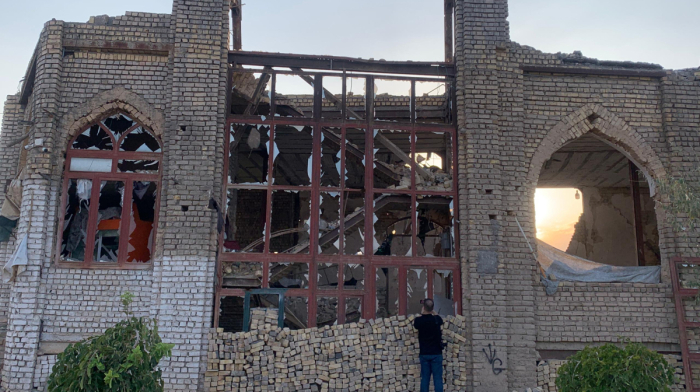
At least four people were killed and several others injured on Tuesday during fighting in Aleppo, northern Syria, state media reported. The government and the Kurdish-led Syrian Democratic Forces (SDF) are trading blame for the violence.
Ukrainian President Volodymyr Zelenskyy, French President Emmanuel Macron, and British Prime Minister Keir Starmer signed a declaration of intent on Tuesday outlining the future deployment of multinational forces in Ukraine.
The United States has presented Israel and Syria with a proposal for a security agreement that would establish a joint economic zone along the border, Axios reported on Tuesday.
You can download the AnewZ application from Play Store and the App Store.
What is your opinion on this topic?
Leave the first comment