live Iran, U.S. make competing claims over control of Strait of Hormuz
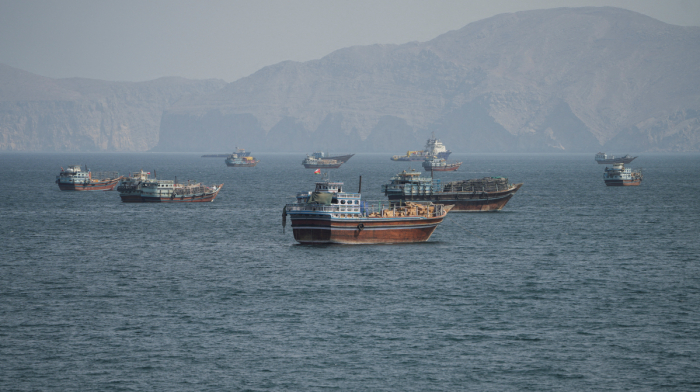
Iran says the Strait of Hormuz remains under its control, rejecting U.S. President Donald Trump’s claim of “total control” over t...
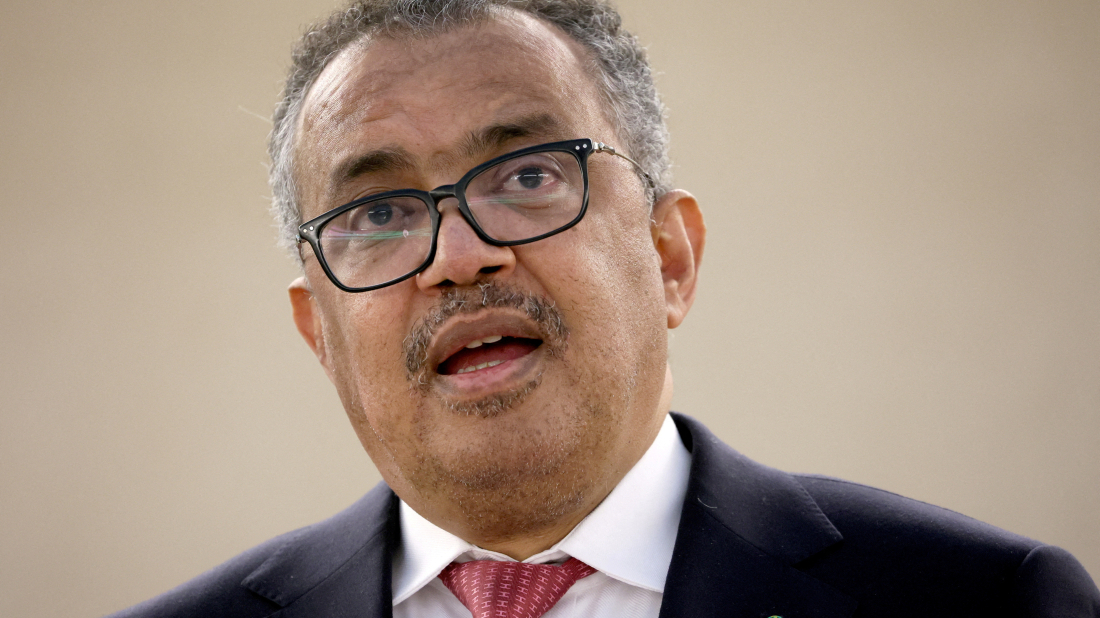
The World Health Organization (WHO) has announced major reductions in its management team and operations, following a significant funding cut after the U.S. confirmed its exit from the agency.
The World Health Organization (WHO) is scaling back its operations, cutting its management team by half, and implementing cost-saving measures, according to director-general Tedros Adhanom Ghebreyesus. This comes four months after the United States announced its decision to leave the agency and halt funding, leaving the WHO facing a budget shortfall.
At a budget committee meeting on Wednesday, Tedros emphasized the challenges the WHO now faces, stating, "To be blunt, we cannot do everything." A proposed 21% budget cut for 2026-2027 will reduce funding to $4.2 billion, with only 60% of that being funded if member states agree to raise mandatory fees.
Tedros confirmed that efficiency measures would save $165 million this year, alongside staff reductions. However, he clarified that the 25% cut in staff costs would not equate to job losses but a reduction in the scope of WHO’s operations, including the closure of some offices in high-income nations.
The WHO has already made significant changes to its leadership structure, shrinking the management team from 14 to seven, including Tedros himself. New roles include Dr. Jeremy Farrar moving to assistant director-general for health promotion and disease control, while Dr. Chikwe Ihekweazu becomes executive director of the health emergencies programme. Dr. Sylvie Briand will serve as chief scientist.
The organisation is also seeking closer collaboration with other global health groups to maximise impact despite the cuts.

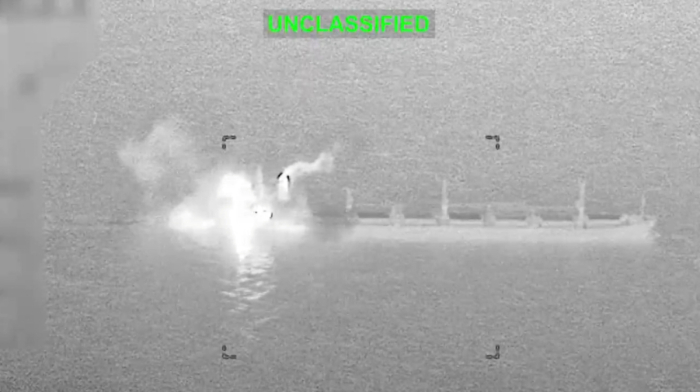
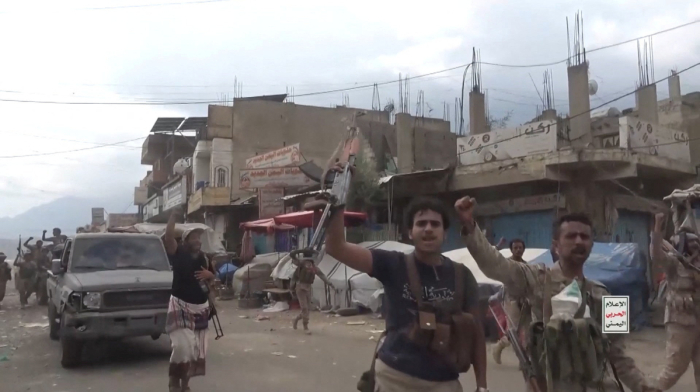
Disruption in the Strait of Hormuz has increased the strategic importance of Bab al-Mandab, raising fears that instability in both waterways could trigger a wider global energy and trade crisis.
Iran and the United States remain at loggerheads over efforts to agree a permanent end to the war in the Gulf, according to a senior Iranian source who said there had been no progress in talks to revive the interim deal agreed in June and define a timeframe to implement it.
Millions of people across Spain and Iceland are preparing on Wednesday to witness a rare total solar eclipse, when the moon will pass directly between Earth and the Sun, briefly turning daylight into darkness along a narrow path.
Start your day informed with AnewZ Morning Brief. Here are the top news stories for the 12th of August, covering the latest developments.
Iran says the Strait of Hormuz remains under its control, rejecting U.S. President Donald Trump’s claim of “total control” over the strategic waterway and insisting it will not reopen until Washington fulfils its commitments under an interim deal.
Taiwan staged military defence drills on Wednesday as China concluded joint naval exercises with Indonesia in waters east of the island.
Washington’s counter-narcotics push is expanding as Colombia’s new conservative government backs deeper security cooperation.
Meta said it had removed more than 750,000 Facebook and Instagram accounts suspected of belonging to Australians under 16, as the country’s internet regulator weighs enforcement action over its teen social media ban.
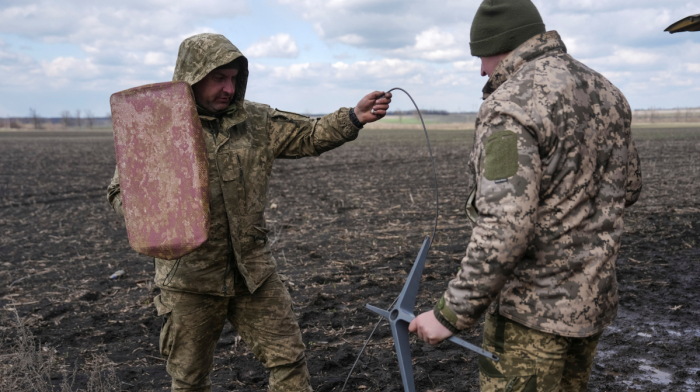
Russia has accused Ukraine of threatening global grain supplies after recent strikes on Black Sea agricultural infrastructure, while Moscow carried out a new overnight attack on Ukraine’s major Danube port of Izmail.
Russian President Vladimir Putin has used Pacific Fleet drills to criticise Japan, NATO and possible Western moves against Russian commercial ships. He made the comments during his first visit to Iturup, a Japan-claimed island at the end of the Kuril chain near the island of Hokkaido.
You can download the AnewZ application from Play Store and the App Store.
What is your opinion on this topic?
Leave the first comment