Putin agrees to European role in Ukrainian peace talks as U.S. push for major prisoner swap
President Vladimir Putin agreed on Thursday to let European representatives join the next round of Ukraine peace t...
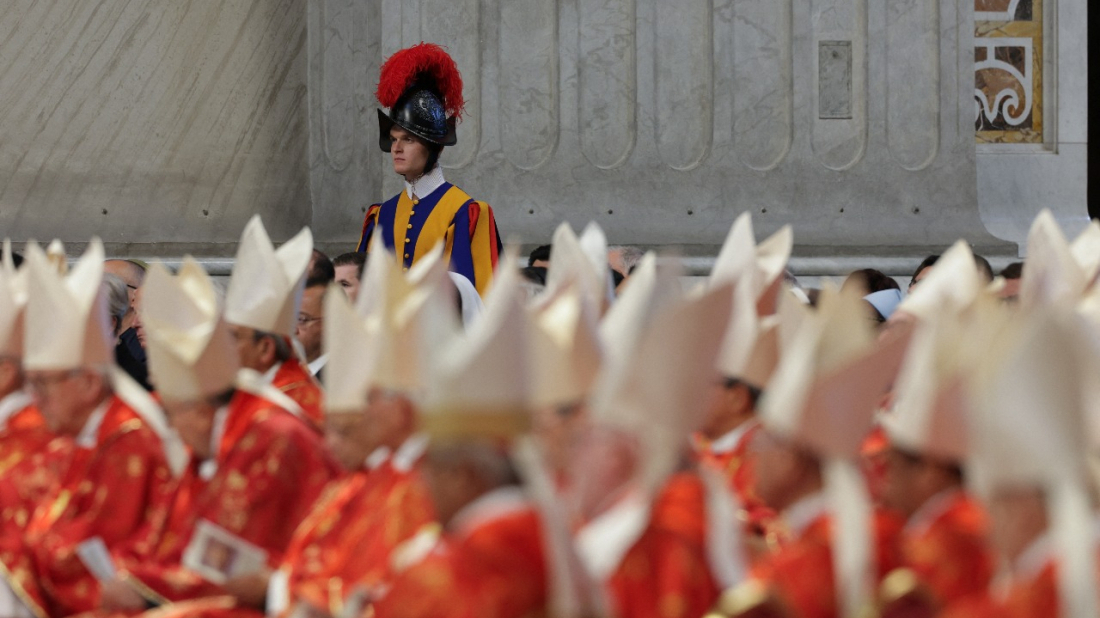
Cardinals from 70 nations have gathered in Vatican City to begin the historic conclave to elect the next pope, following the death of Pope Francis 17 days ago. This conclave is the most geographically diverse in Church history, showcasing Francis’ legacy of inclusivity.
The 133 cardinals, including 108 appointed by Pope Francis, are now locked in the Sistine Chapel to begin their sacred task of selecting a new leader for the Catholic Church. The election process begins today, May 7, with the first ballot scheduled for this evening. Prior to voting, the cardinals will attend Mass in St. Peter’s Basilica and then swear an oath in the Sistine Chapel, pledging to fulfill the role of Peter if elected. The voting will take place in secret, with ballots cast twice in the morning and twice in the evening.
The conclave could last anywhere from hours to weeks, depending on how long it takes to reach a two-thirds majority vote for a new pope. Observers are watching for the moment of white smoke, which will signify that a new pope has been chosen to lead the 1.4 billion Catholics around the world.
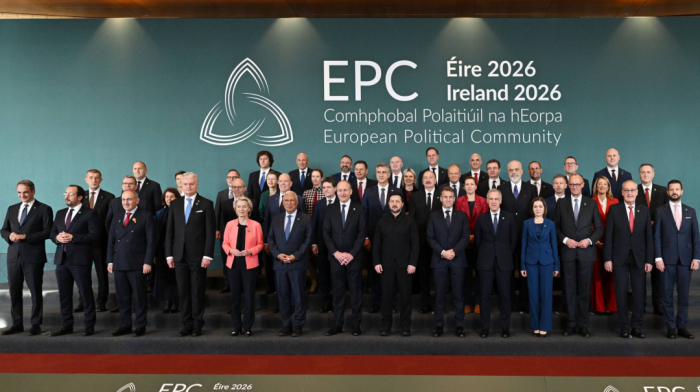
European leaders gathered in Dublin on Thursday, 12 November, for the ninth European Political Community (EPC) summit, with security, defence and energy high on the agenda. Azerbaijani President Ilham Aliyev held talks focused on peace, trade and regional cooperation.
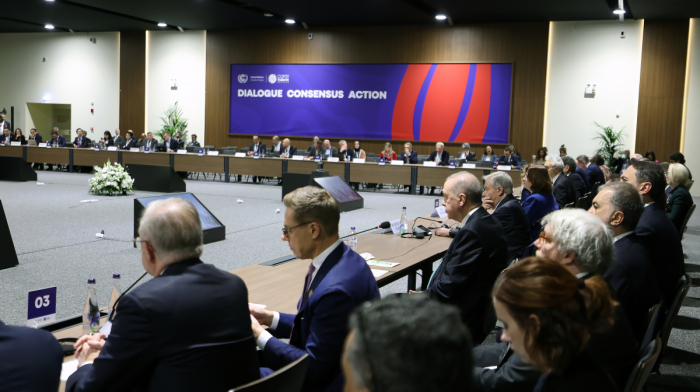
UN Secretary-General António Guterres delivered a stark warning at this year's COP31 summit, saying the climate crisis iss advancing faster than governments' efforts to contain it.
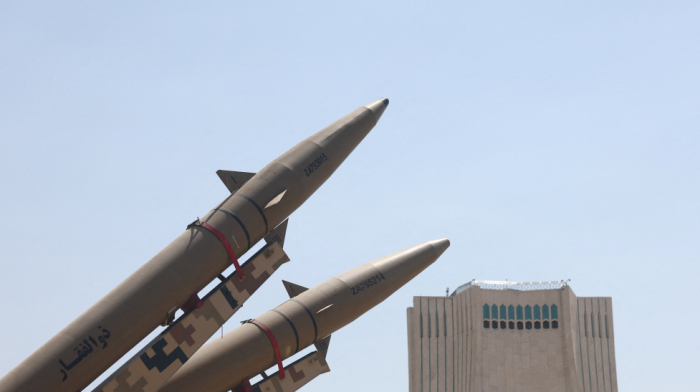
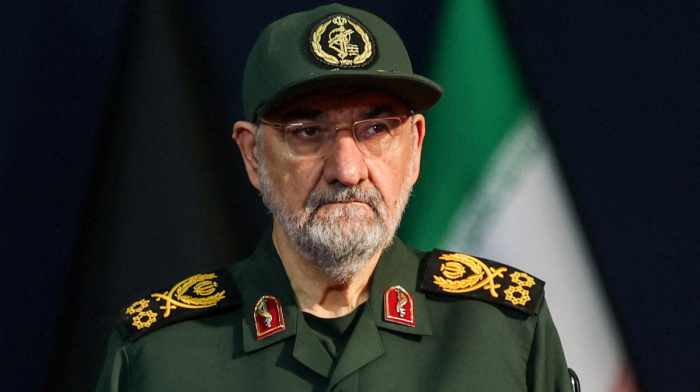
Iran will not let a single particle of its enriched nuclear material leave the country, and any new U.S. attack would be met with strikes on distant American bases, Iranian security chief Mohsen Rezaei has said.
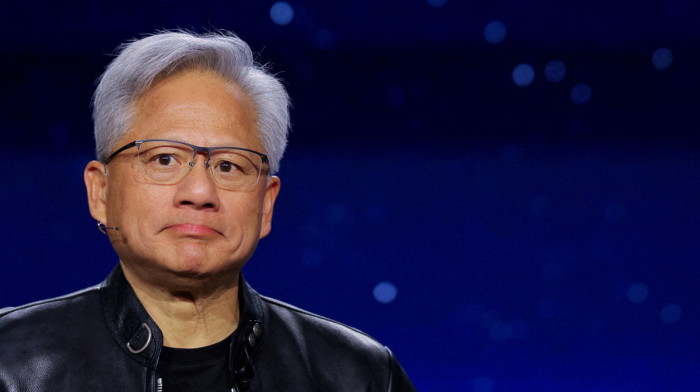
Nvidia chief executive Jensen Huang is stepping down amid reports linking him to a woman suspected by U.S. authorities of spying for China, throwing the future of the $4 trillion chipmaker into uncertainty.
Here's your AnewZ Daily Brief for 11 November. Today, we cover Russia-Ukraine peace talks, political tensions in Washington, strikes in Spain, espionage allegations involving Nvidia's CEO, and climate negotiations at COP31 in Türkiye.
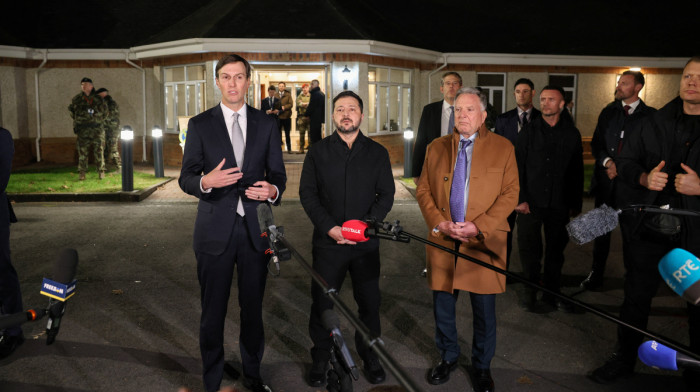
President Vladimir Putin agreed on Thursday to let European representatives join the next round of Ukraine peace talks while the United States continues to work towards what could become the largest prisoner exchange of the Russia-Ukraine war.
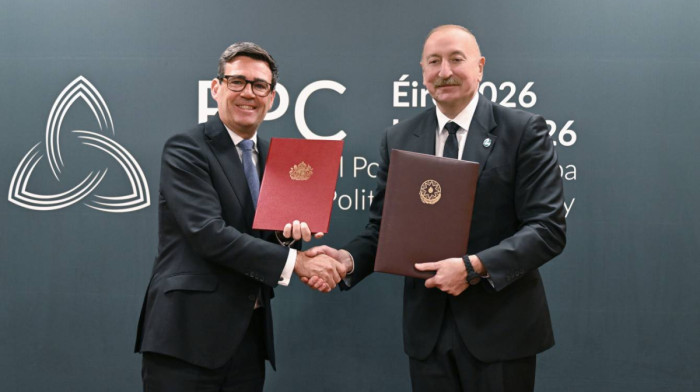
Azerbaijan and the UK have pledged to strengthen defence, trade and education cooperation after signing a joint declaration elevating relations to a strategic level in Dublin, Ireland on Thursday (12 November).
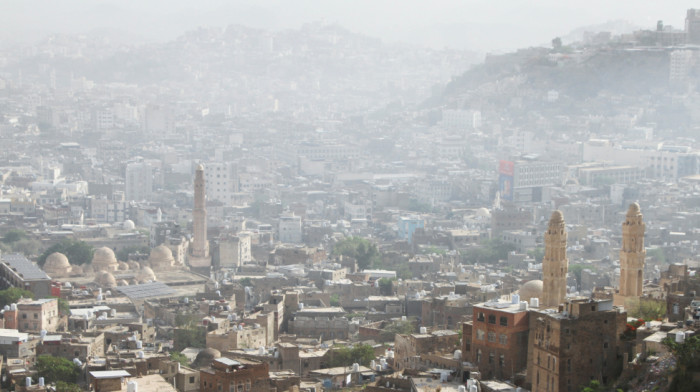
More than 333,000 people have been forced from their homes in Yemen since the beginning of August as fighting has escalated, including more than 24,000 in the past week alone, the United Nations said on Thursday.
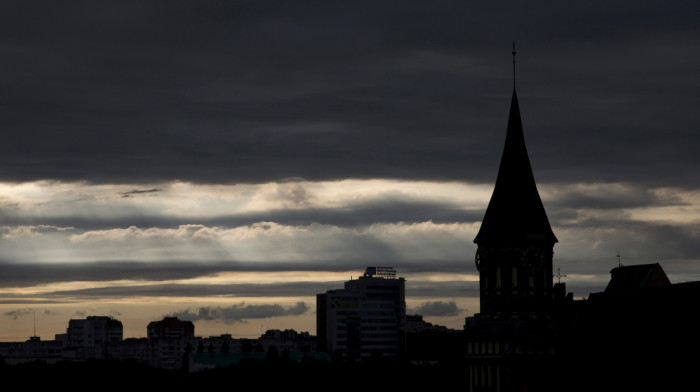
A court in Russia’s Baltic exclave of Kaliningrad has sentenced human rights lawyer Maria Bontsler to 12 years in prison on treason charges, after prosecutors accused her of passing sensitive information to Ukraine.
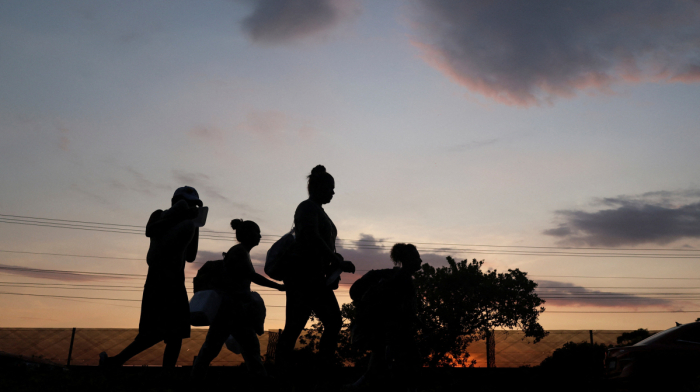
U.S. President Donald Trump has threatened to double tariffs on Mexico unless it stops more than a thousand migrants who are walking north towards the United States, warning that they will be denied entry.
You can download the AnewZ application from Play Store and the App Store.
What is your opinion on this topic?
Leave the first comment