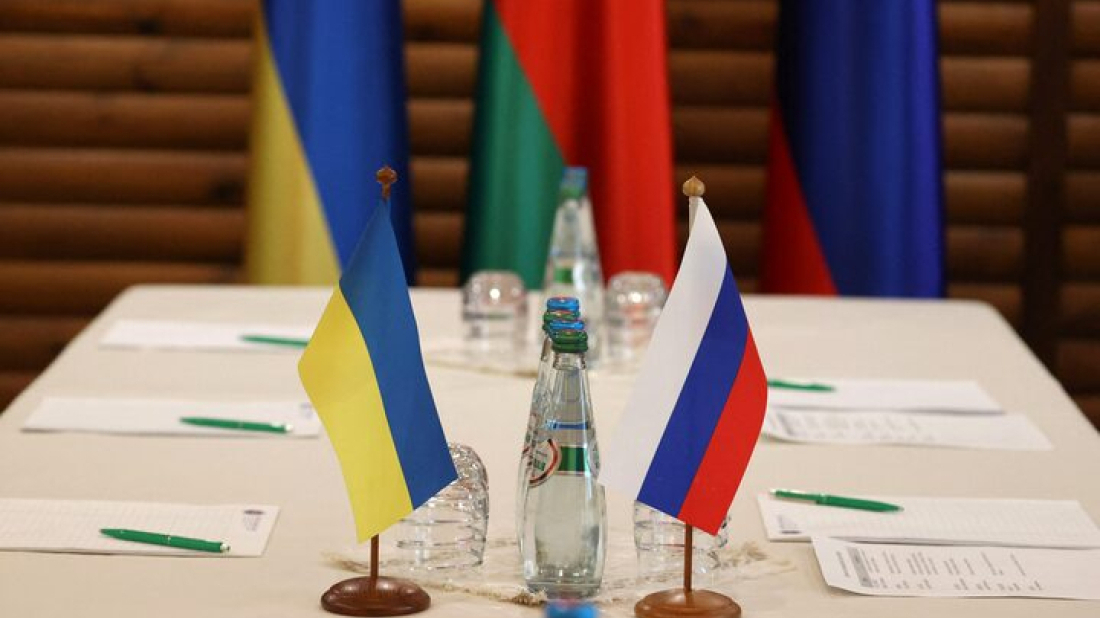
The Kremlin announced Monday that Russia will implement a full ceasefire in Ukraine from May 8 to May 10, coinciding with its celebrations of Victory Day over Nazi Germany. The truce, ordered by President Vladimir Putin for "humanitarian reasons," will begin at midnight on May 8 (2100 GMT, May 7).
This move follows intensified efforts by U.S. President Donald Trump to broker a peace agreement between Russia and Ukraine. Until now, Putin had resisted an unconditional ceasefire, tying it to demands that Western arms shipments to Ukraine stop and that Ukraine slow its military mobilization.
On Monday, Ukraine and Russia exchanged long-range attacks, despite the ceasefire announcement. Russia’s Defense Ministry reported intercepting 119 Ukrainian drones, mainly over the Bryansk region. Ukraine activated air raid sirens nationwide, although no casualties or damage were immediately reported.
The U.S. is facing mounting pressure as it attempts to mediate an end to Europe's most significant conflict since WWII, a war that has already cost tens of thousands of lives. Secretary of State Marco Rubio called this week "very critical," suggesting that the U.S. may reconsider its involvement if no progress is made. American military aid has been vital for Ukraine, and its continuation may depend on the outcome of the talks.
Although Trump expressed doubts about Putin’s sincerity, he said over the weekend that a peace deal was "close". European officials, however, accuse Russia of stalling negotiations to gain more territory.
Russian Foreign Minister Sergey Lavrov spoke with U.S. Secretary of State Rubio on Sunday to discuss ways to "solidify emerging conditions" for negotiations, though specifics remain unclear. Russia has rejected a U.S.-proposed 30-day ceasefire unless certain conditions are metconditions Ukraine has already accepted, according to Ukrainian President Volodymyr Zelenskyy.
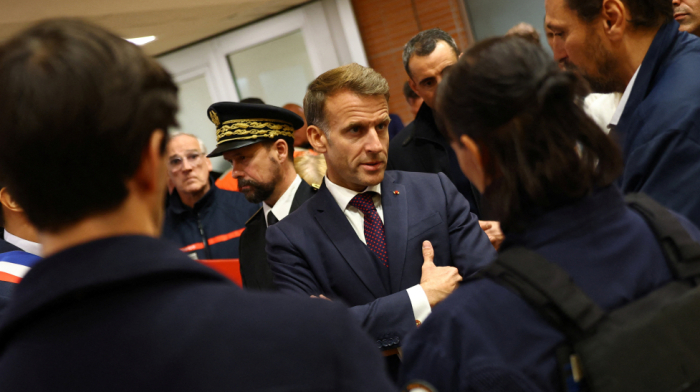
A French diplomat revealed that Trump, Zelenskyy, and French President Emmanuel Macron agreed to continue working towards securing a durable ceasefire. Ukraine remains firm against ceding any land to Russia, even as Washington hints territorial concessions might be necessary for peace.
Meanwhile, Ukraine is making strides toward a separate agreement with the U.S. to access its valuable mineral resources, with both sides agreeing that previous U.S. aid will not affect the deal’s terms. Prime Minister Denys Shmyhal emphasized that any agreement must align with Ukraine’s laws, constitution, and European commitments.
The conflict, which erupted after Russia’s full-scale invasion in February 2022, now has a global dimension, further complicating peace efforts. On Monday, Putin expressed gratitude to North Korea for reportedly sending thousands of troops and to Iran and China for supplying military support, according to Western officials. The U.S. and Europe remain Ukraine’s strongest allies.











What is your opinion on this topic?
Leave the first comment