Head of Kazakhstan's sovereign wealth fund arrested in corruption probe
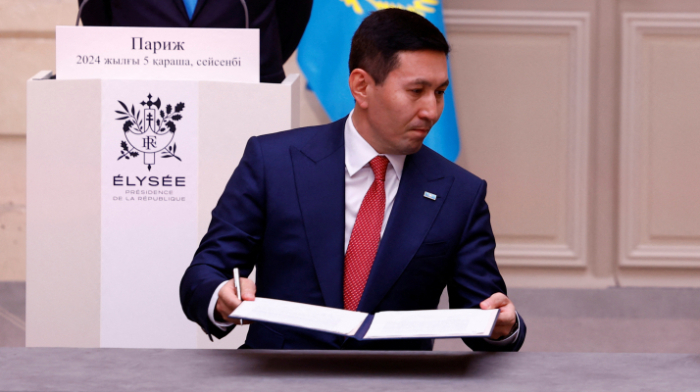
Kazakhstan’s security service has arrested Nurlan Zhakupov, CEO of ...
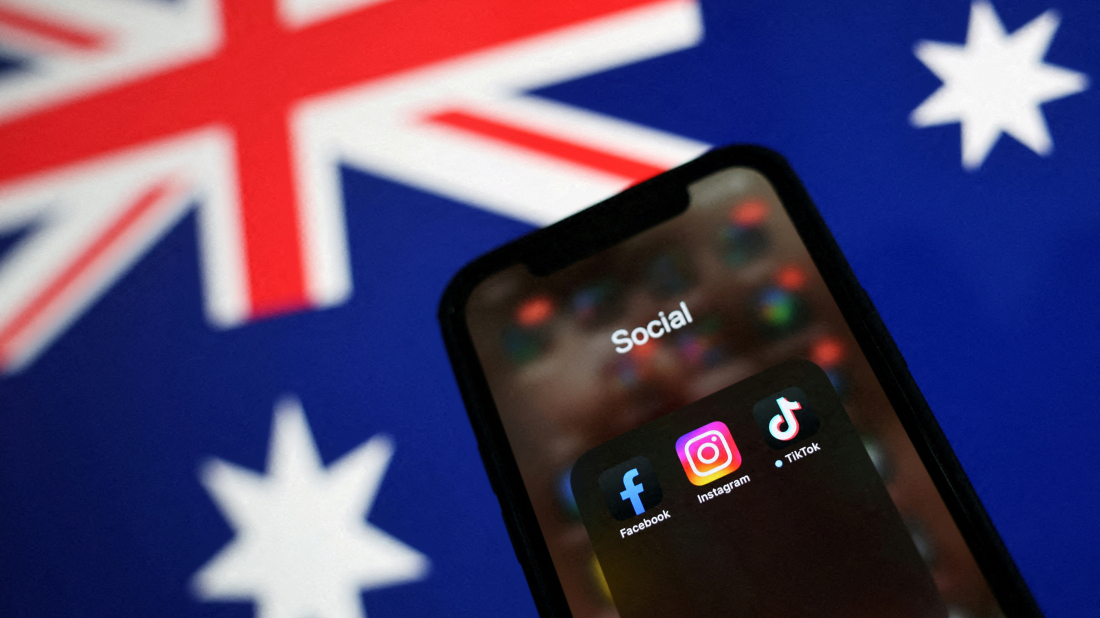
Australia’s top political leaders doubled down on plans to ban social media access for children under 16, showing rare unity on the issue ahead of the May 3 election even as pressure from tech giants is expected to mount.
Prime Minister Anthony Albanese and opposition leader Peter Dutton have reaffirmed their support for Australia’s upcoming ban on social media access for children under 16, despite expected pressure from major tech companies.
During a televised election debate ahead of the May 3 national vote, both leaders expressed strong bipartisan backing for the new restrictions, set to begin in December. The law will limit under- 16s' use of platforms like Facebook, Instagram, and X, and require tech firms to pay for hosting Australian news content.
Albanese said he anticipates lobbying efforts from social media giants as the enforcement date nears but emphasized that his government will not back down. He called the ban a "world-leading" measure.
Dutton echoed this stance, describing the opposition coalition as fully aligned with Labor on the issue. He criticized tech companies for exploiting young users and stressed the need to hold them accountable.
The debate panel declared Dutton the winner of the night’s exchange, although current polls show him trailing Albanese, with cost-of-living and housing remaining top concerns for voters.

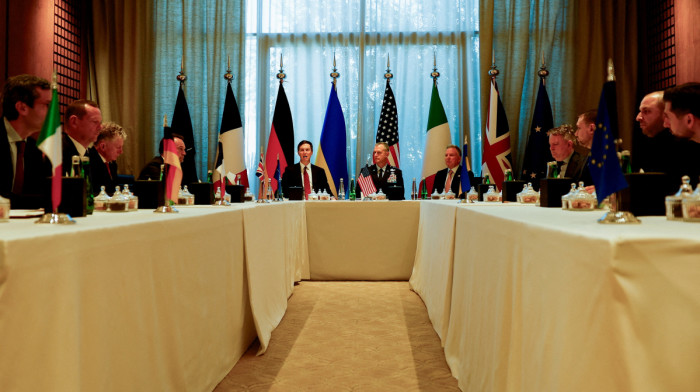
Delegations from Russia, Ukraine and the United States met in Abu Dhabi on Tuesday for their first formal talks in nine months. They did so with no agreement on what a ceasefire would be tied to or who gets to keep the land currently under Russian control.
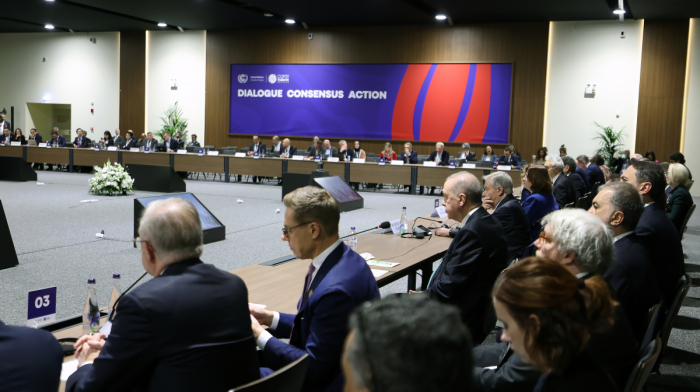
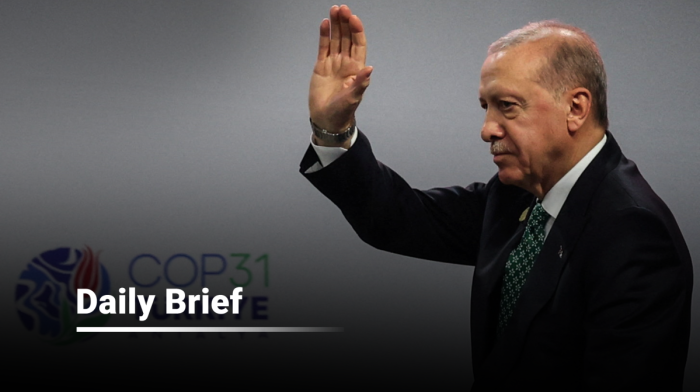
UN Secretary-General António Guterres delivered a stark warning at this year's COP31 summit, saying the climate crisis iss advancing faster than governments' efforts to contain it.
Here's your AnewZ Daily Brief for 11 November. Today, we cover Russia-Ukraine peace talks, political tensions in Washington, strikes in Spain, espionage allegations involving Nvidia's CEO, and climate negotiations at COP31 in Türkiye.
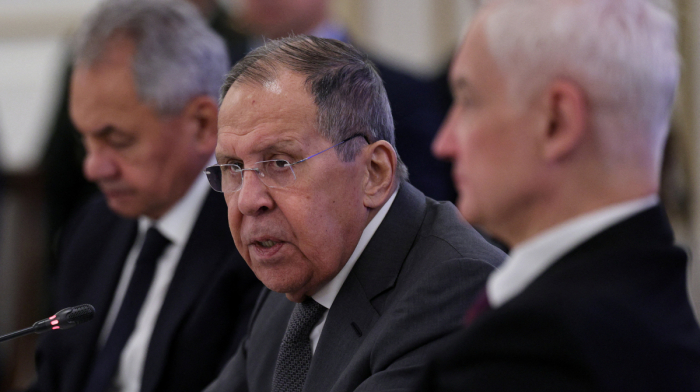
Armenia could lose its voting rights within the Collective Security Treaty Organization (CSTO) on 11 November after failing to pay membership fees for more than two years, Russian Foreign Minister Sergey Lavrov has said.
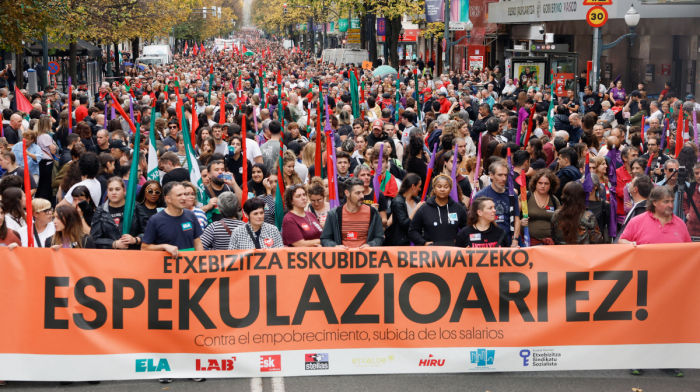
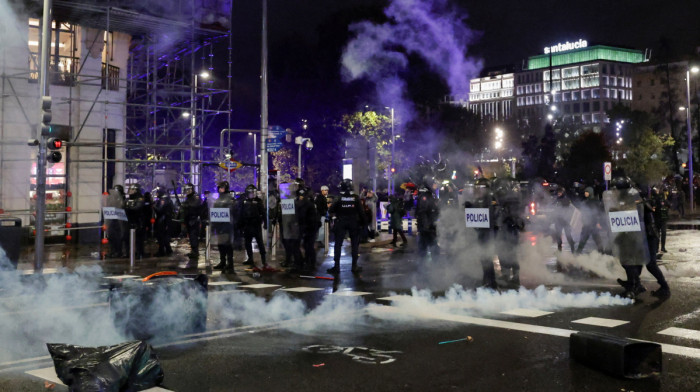
Four million workers across Spain joined a general strike on Wednesday over the country’s deepening housing crisis, unions said, bringing disruption to factories, ports, shops and public transport just weeks before a snap general election.
Here's your AnewZ COP31 Daily Brief for the 12th of November. During the third day of COP31, there were calls to move away from fossil fuels, Turkish President Recep Tayyip Erdoğan's climate warning, the environmental cost of war, Europe's scorching summer, and growing demands for climate funding.
Clashes broke out between protesters and police in Barcelona as tens of thousands of people took to the streets across Spain for the country’s first general strike in 14 years, demanding action on rising living costs and the housing crisis.
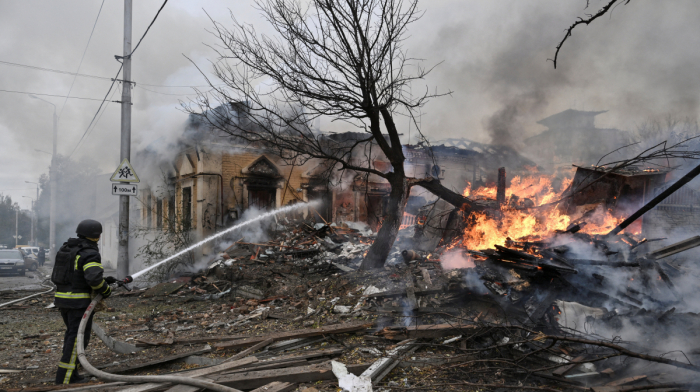
Russia and Ukraine exchanged drone attacks targeting their capitals early on Thursday, as U.S. envoys prepared to meet Russian President Vladimir Putin in Moscow following two days of peace talks that ended without a breakthrough on major issues.
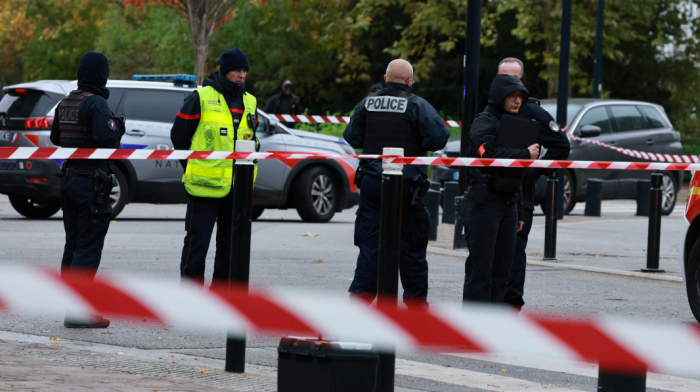
Investigators found a sticky note bearing the names and mobile phone numbers of four left-wing public figures while searching the home of the suspect in last month’s deadly shooting near Paris, France’s national anti-terrorism prosecution office (PNAT) said on Wednesday.
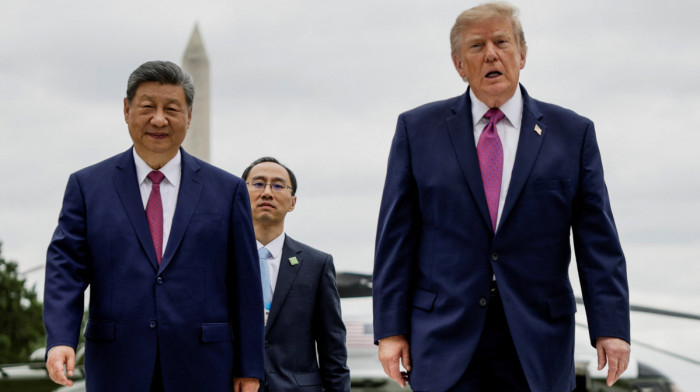
The United States and China should have “no illusions” about their differences on artificial intelligence, even as they work together to manage the technology’s risks, U.S. Treasury Secretary Scott Bessent has said.
You can download the AnewZ application from Play Store and the App Store.
What is your opinion on this topic?
Leave the first comment