live U.S. hits Iranian radar installations after drone threat in Strait of Hormuz
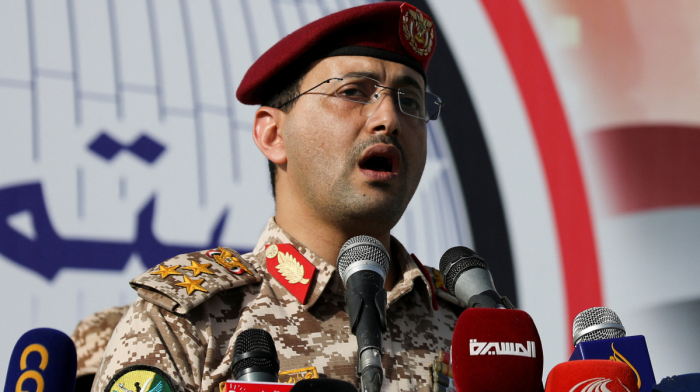
The U.S. said it struck Iranian radar sites on Qeshm Island and in Goruk after intercepting four drones, while Iran's Revolutionary Guards said they l...
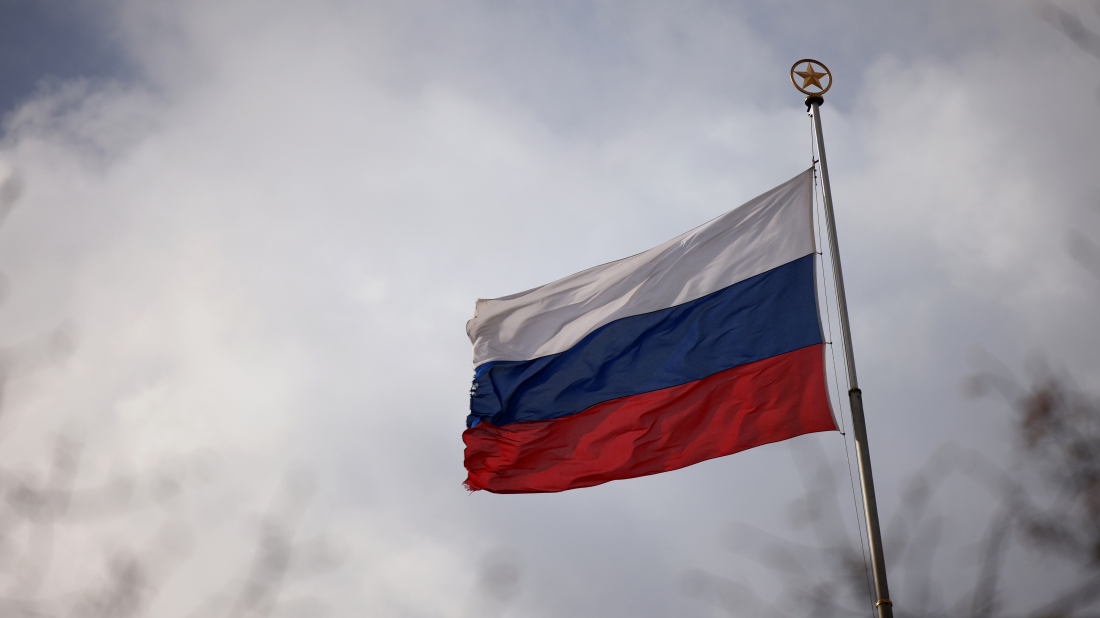
Russia has claimed that its air defence systems intercepted and destroyed seven Ukrainian missiles over the Kursk region overnight, amid rising tensions along the border.
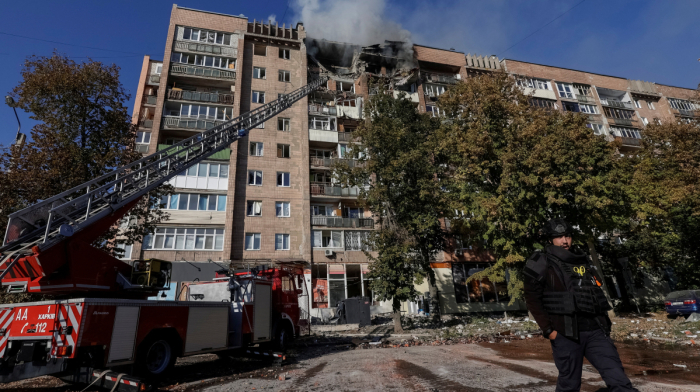
Russian authorities have reported that their air defence systems successfully intercepted and destroyed seven Ukrainian missiles over the Kursk region, which borders Ukraine. Kursk Governor Alexei Smirnov confirmed the attack in a Telegram post on Monday, stating that air defence units repelled the strike by the Ukrainian Armed Forces overnight. He did not provide further details on the incident.
In a separate update, the Russian Ministry of Defence confirmed that a total of 23 Ukrainian drones were also downed over Russian territory, although the ministry did not mention any missiles in its statement.
Pro-Russian military analyst Roman Alyokhin, who serves as an advisor to the Kursk governor, described the event as a "massive attack," adding that it was "very loud" and involved numerous missiles. Alyokhin further claimed the missiles were foreign-made, but did not specify which type.
While Ukrainian authorities have yet to comment on the incident, the reports could not be independently verified by Reuters. It is also unclear which specific weapons Ukraine used in the strike.
The Kursk region has been a focal point of recent tensions. In August, Ukrainian forces launched a surprise incursion into the area, but by October, they had lost more than 40% of the territory they had captured, as Russian forces mounted aggressive counterattacks.
Ukraine has recently increased its use of long-range missiles, including US-supplied ATACMS and British Storm Shadow cruise missiles, to target deep within Russian territory. In response, Moscow conducted a retaliatory strike on Ukraine using a newly developed hypersonic ballistic missile.
The escalation comes amid heightened military exchanges between the two countries, with both sides continuing to fortify their defences.

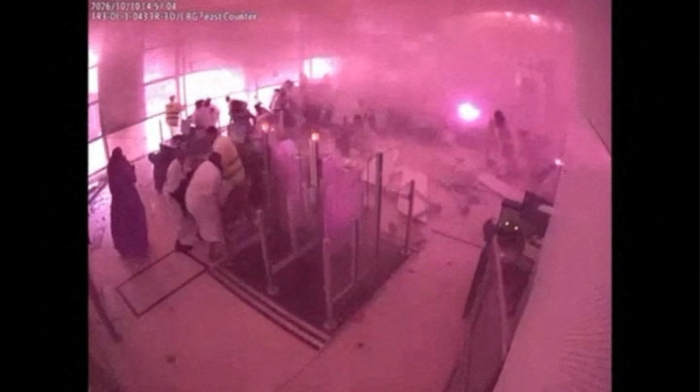
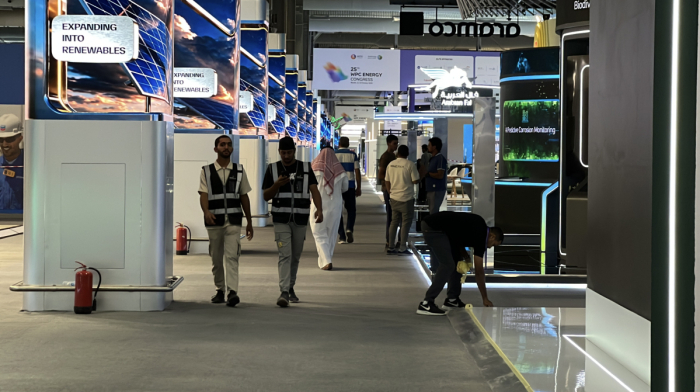
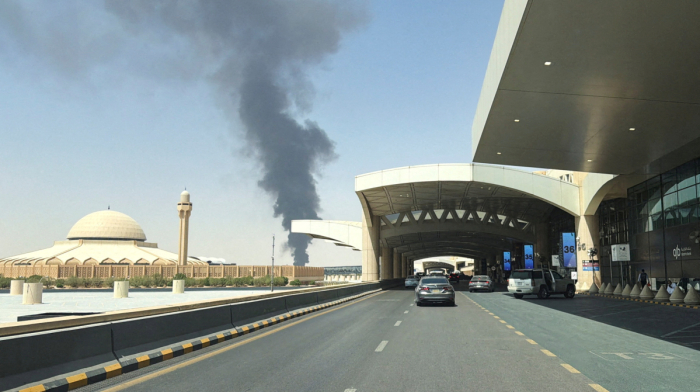
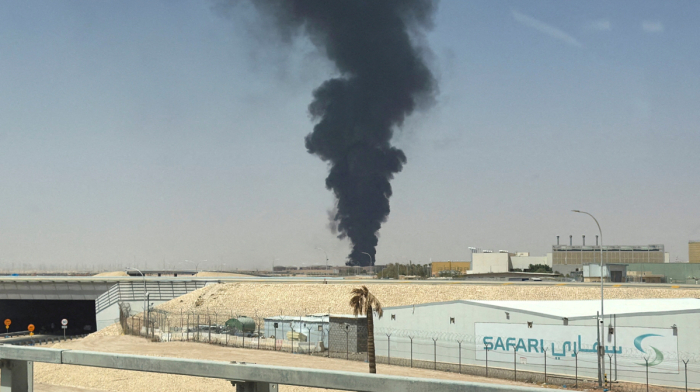
Iran’s Revolutionary Guards (IRGC) said in a statement that its Aerospace Force did not strike the Kuwait Airport passenger terminal on Wednesday, and that the destruction was instead caused by a failed U.S. Patriot missile.
The new AnewZ documentary, TARGET: Yerevan, builds its explosive case on exclusive, secret recordings originally published by Minval Politika.
Five Azerbaijani citizens have been killed and three others injured following drone attacks on two cargo vessels in the Sea of Azov, Azerbaijan's Foreign Ministry said on Friday.
Azerbaijan has strongly rejected allegations published by CNN claiming that its territory was used for Israeli military and intelligence operations against Iran, describing the report as entirely baseless and demanding a retraction.
Armenia will hold parliamentary elections on 7 June 2026, a vote that will shape the country’s political direction for the next five years. Understanding how the electoral system converts votes into parliamentary power is key to following the outcome and its wider regional implications.
People across Gaza are facing a worsening humanitarian crisis, with millions struggling to access food, clean water, shelter and medical care as the conflict continues.
The United States has announced an additional $38 million to support efforts to contain the Ebola outbreak in the Democratic Republic of Congo, as health officials warn that the virus could spread further without stronger action.
More than 6,000 people gathered outside a vote-counting centre in Seoul on Friday night, demanding this week’s local elections be repeated after ballot shortages left some voters unable to cast their ballots.
The next time a goal goes in during a Champions League final, fans around the world could watch it from every angle at once — frozen, rotated and replayed in ways that were impossible only a few years ago.
An ageing, poorly insured shadow armada now accounts for around one-sixth of the world's tanker fleet. Hidden by design and fraught with risk, it operates beyond conventional oversight. A maritime law expert explains how it works, who profits, and why much of the world looks the other way.
You can download the AnewZ application from Play Store and the App Store.
What is your opinion on this topic?
Leave the first comment